An ERP is supposed to be the operational backbone of a company: inventory, orders, production, purchasing, finance, and the people who move them. In practice, many businesses run on an ERP that half-fits, surrounded by spreadsheets and manual workarounds that quietly carry the real process.
We do not start by selling a new system. We start by examining the one you have: what it does well, where the business has outgrown it, and which parts are worth keeping. Then we build around what your operations actually need: own what differentiates you, rent what is commodity, and connect everything so it works as one system.
ERP Development
ERP development that starts with the system you already have: we find out what works, what holds the business back, and then build what your operations actually need, whether that means improving your current ERP, integrating it, or replacing parts of it with a custom build.
Pricing is by application, based on the size and complexity of your operations.
9Years in the market
50+Team & partners
116Projects delivered
12Countries
Up to 700%Revenue growth
48hProject start
What we cover
-
01.
Audit of Your Current ERP
We map how your existing system is really used, trace what its code actually does with AI-assisted analysis, and find where spreadsheets and workarounds have taken over.
-
02.
Keep, Fix, or Replace
For each part of the system we decide what to keep as is, what to reconfigure, and what is worth rebuilding as custom software.
-
03.
Custom Build Where It Matters
We build the processes that make your business different on our own stack, Laravel, instead of forcing them into a generic template.
-
04.
One Connected System
We integrate ERP with CRM, e-commerce, warehouse, and accounting, so data is entered once and every team works from the same numbers.
Selected Work
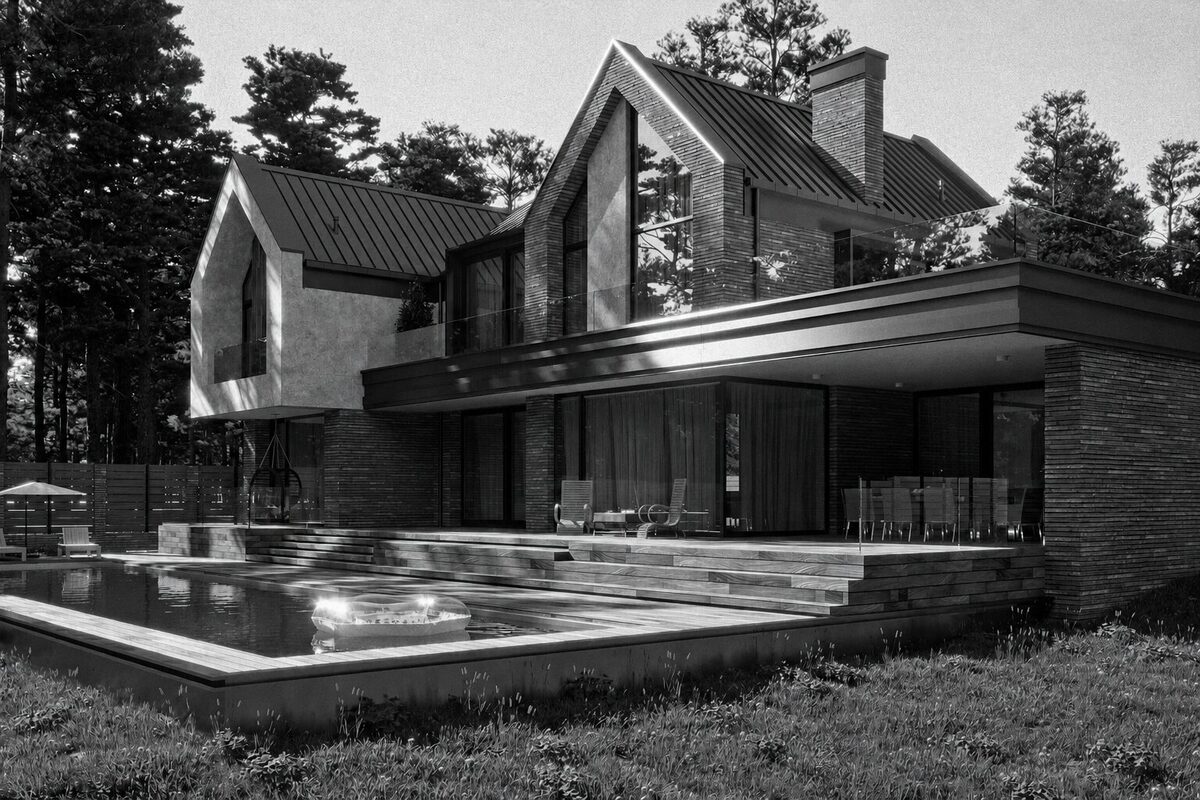
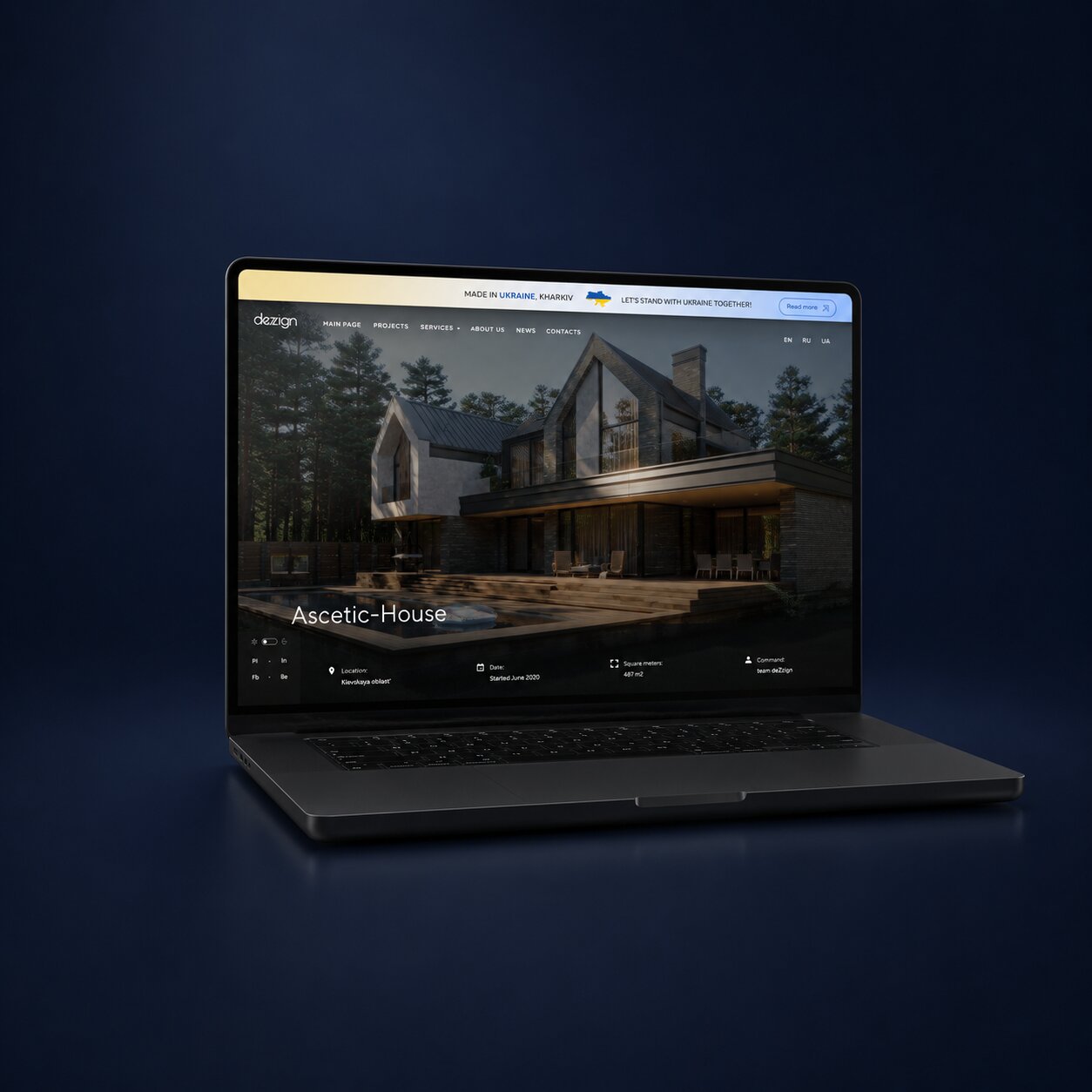
Projects where the architecture of the whole business system, not just one tool, was part of the job.




How It Works
01
05
01
05
Discovery & Current-System Audit
We talk to the people who use the system daily and use AI-assisted code analysis to trace how orders, stock, and money actually move through it.
02
05
02
05
Keep / Fix / Replace Map
We document which parts of your ERP to keep, which to reconfigure, and which to build, with the reasoning for each decision.
03
05
03
05
Architecture & Scope
We design how the pieces fit together, including integrations with CRM, e-commerce, and accounting, and agree on phases.
04
05
04
05
Build & Integration
We implement the changes in phases, so the business keeps running while the system improves underneath it.
05
05
05
05
Launch, Training & Support
We migrate data, train your team, and stay on to support and evolve the system as the business changes.
What You'll Walk Away With
A clear picture of how your operations really run, and a system built around them instead of the other way around.

A clear map of how your operations actually run
A decision on what to keep, fix, or replace
An ERP that fits the business instead of the template
Current-System Audit Report
Keep, Fix, Replace Map
System Architecture Blueprint
Integration Plan (CRM, e-commerce, accounting)
Data Migration Plan
Phased Implementation Roadmap
Custom Modules for Your Unique Processes
Team Training & Documentation
Ongoing Support & Evolution Plan

Get a cost and timeline estimate
Read Also
-
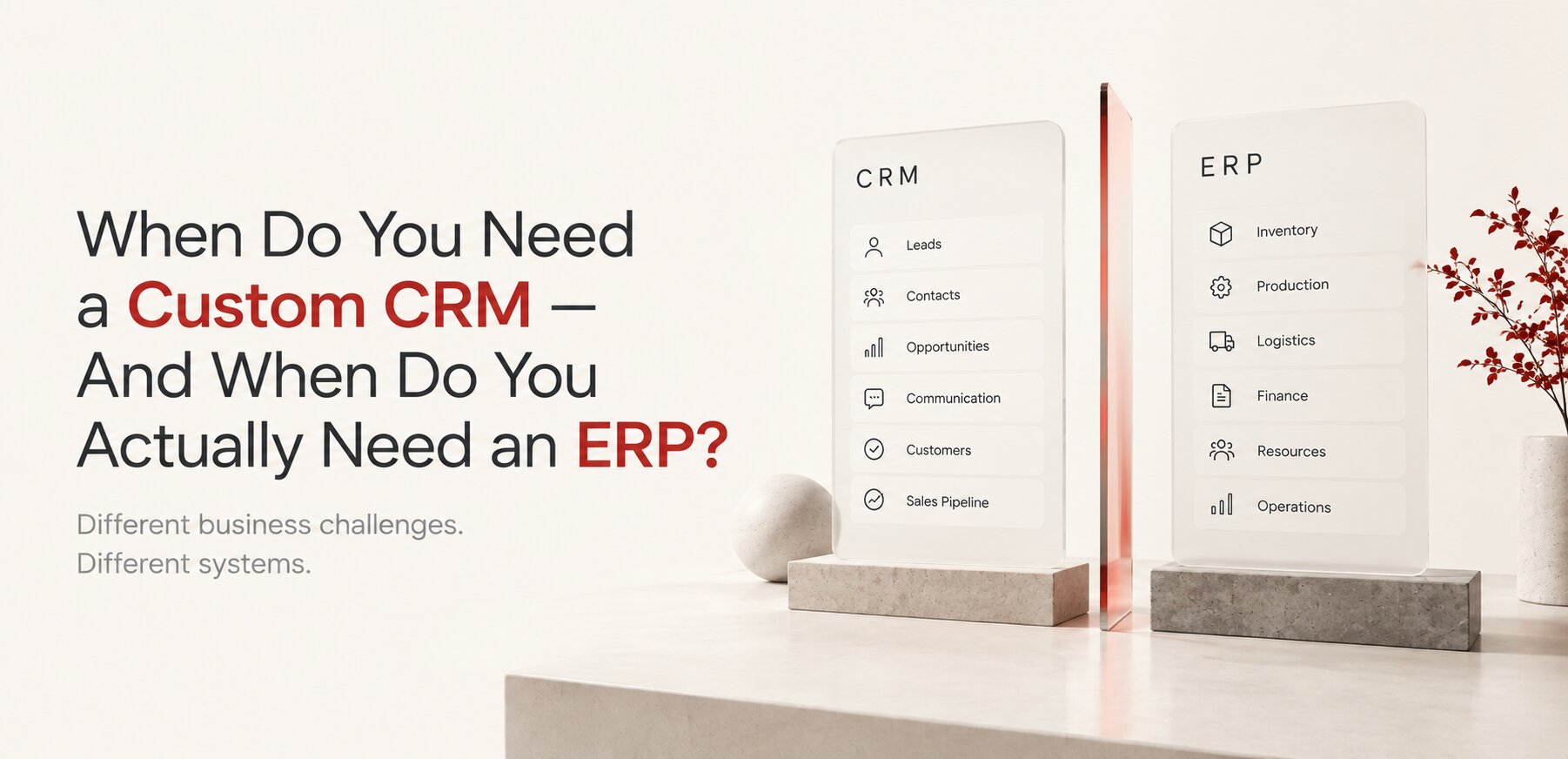
When Do You Need a Custom CRM, and When Do You Actually Need an ERP?

-
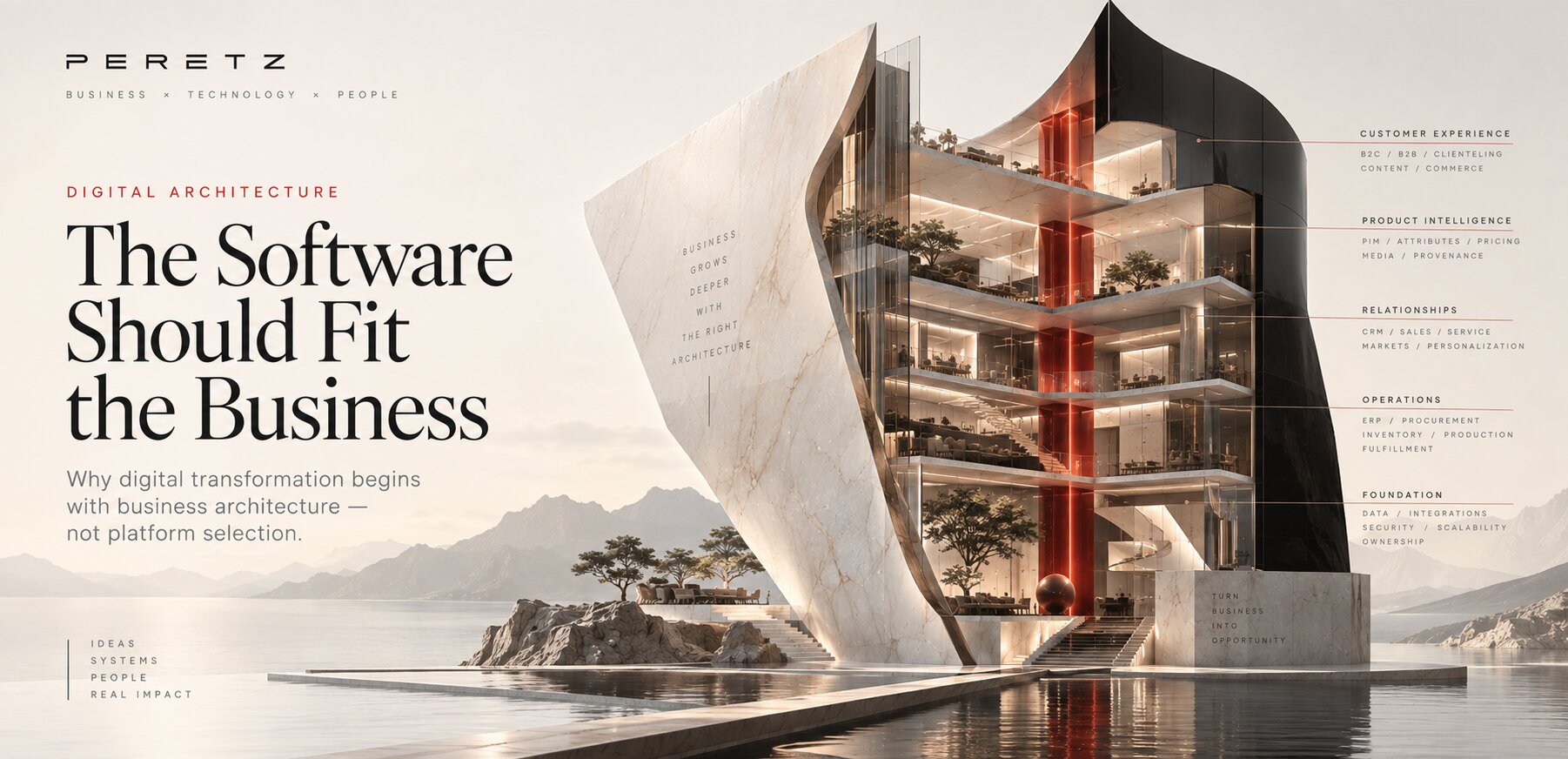
The Software Should Fit the Business
-
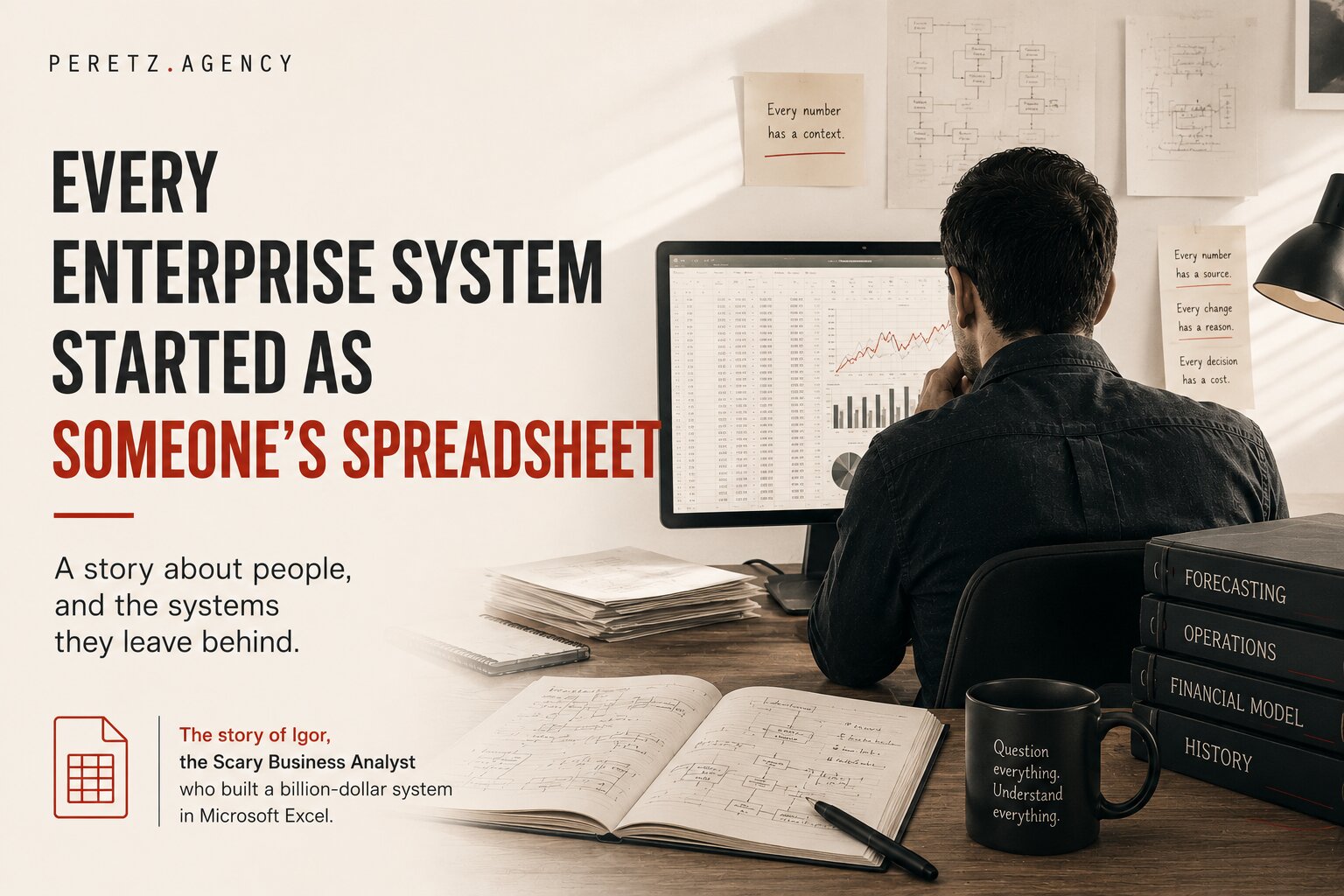
Every Enterprise System Started as Someone's Spreadsheet
-
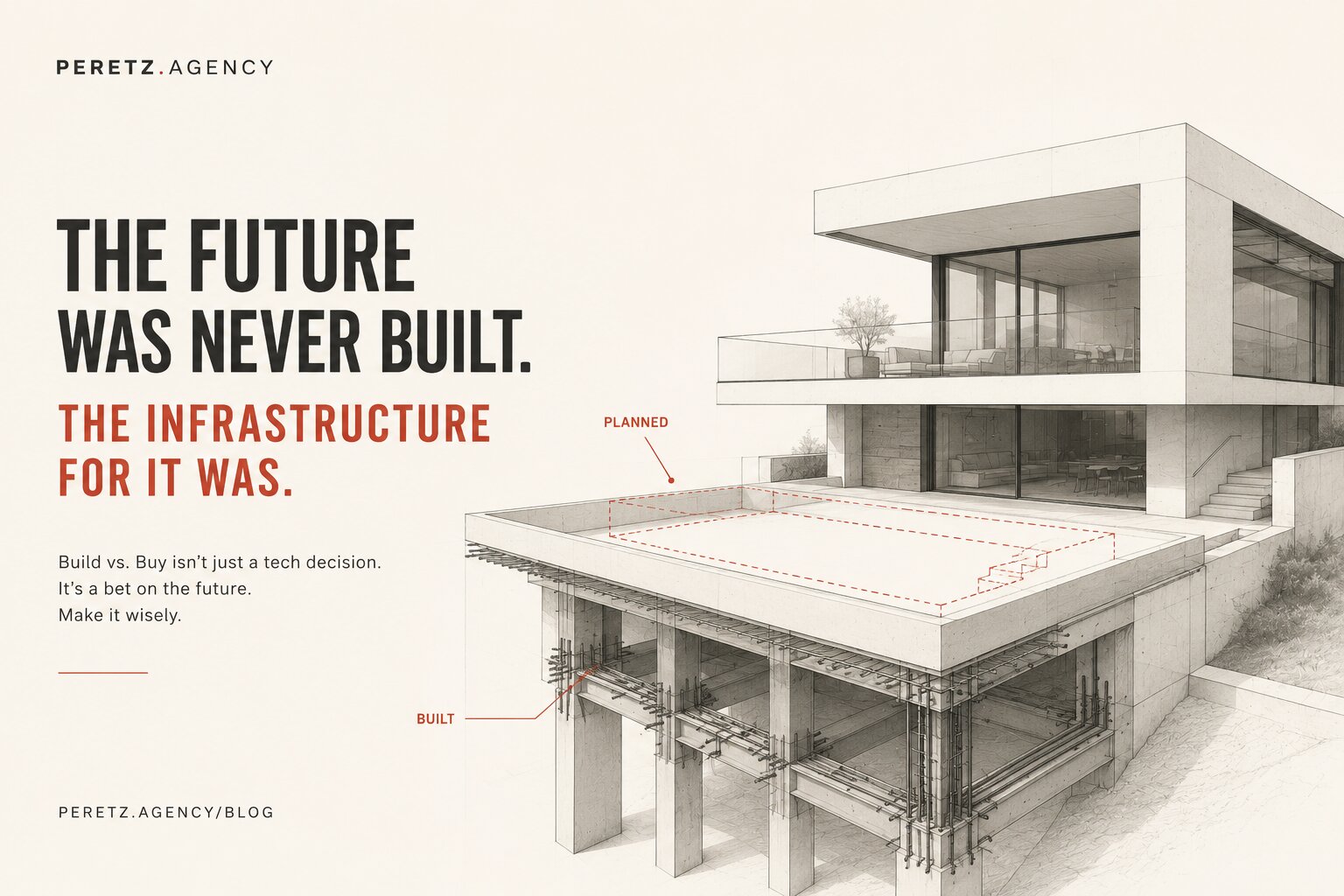
The Build vs. Buy Equation Has Changed. Most Companies Have Not Recalculated It.
-
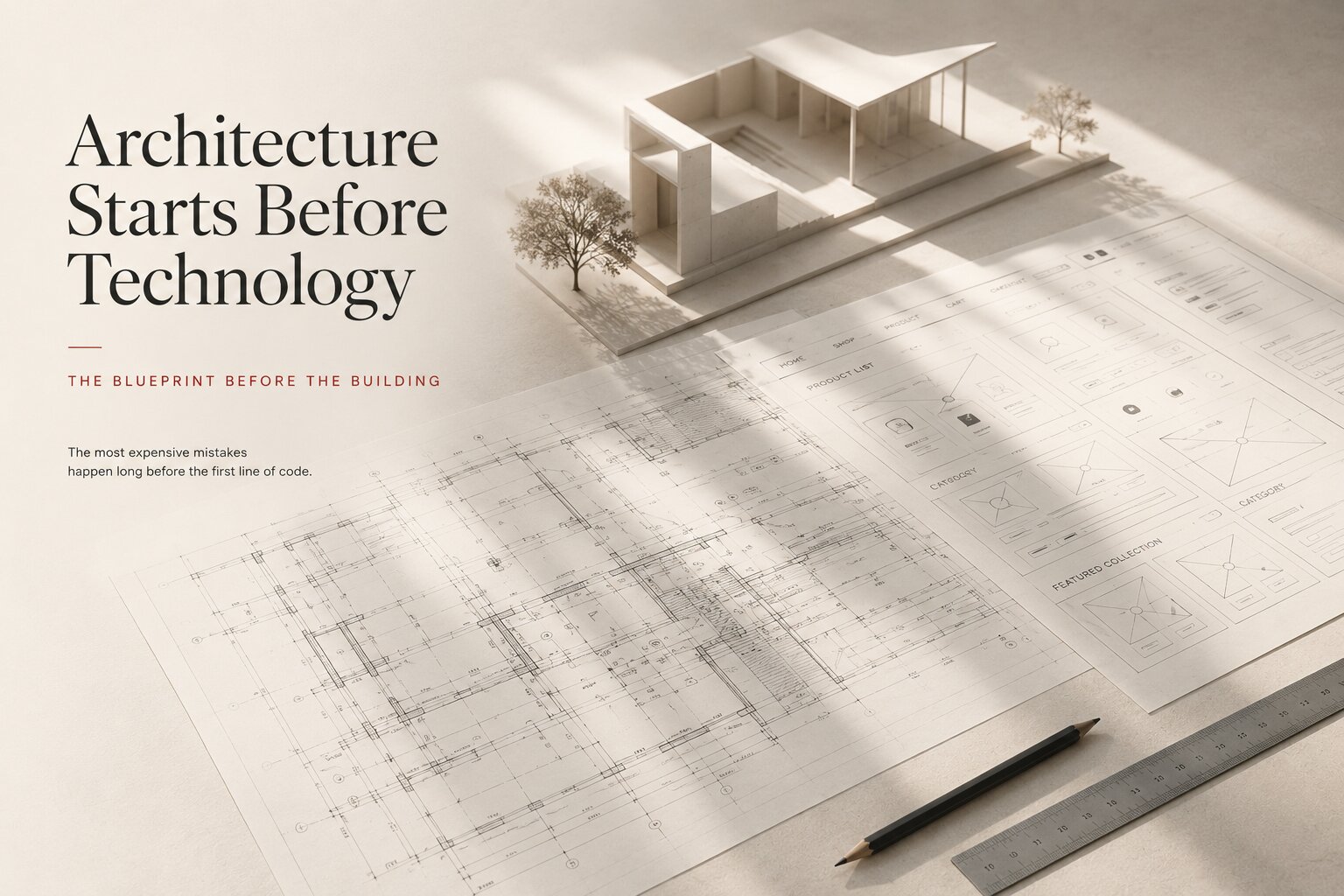
The Hidden Cost of Choosing the Wrong Architecture
-

Digital Architecture: How to Build a System That Can Grow With Your Business

-

What You Own vs What You're Renting: The Digital Ownership Audit
ASK A QUESTION
Leave your contacts and we will contact you at a convenient time.
FAQ
Do we have to replace our current ERP?
Not necessarily. We start by auditing what you already have. Often the right answer is to keep the core, reconfigure parts of it, and build custom modules only where your processes are genuinely different.
Isn't fixing an old ERP more expensive than starting over?
It used to be. Tracing errors through years of accumulated custom code often cost more than writing new code, and on large projects that cost went straight into the price of the product. AI-assisted code analysis with tools like Claude Code and Cursor changed that: we can read, map, and test legacy code far faster, so keeping what works is now a real option. Every finding is still verified by an engineer before anything changes.
What is the difference between CRM and ERP?
A CRM manages customers, leads, and sales. An ERP manages the resources of the whole company: inventory, orders, production, purchasing, and finance. Many businesses need both, connected so data flows between them.
Do you work with existing ERP platforms, or only build custom?
Both. We work with the platform you already use where it serves the business, and build custom software on Laravel where your processes do not fit a standard template.
When does a custom ERP make sense?
When your key processes are what makes your business different and a standard system forces you into workarounds. If a process is common to every company in your industry, renting it is usually smarter than building it.
How do you avoid disrupting the business during the change?
We work in phases. The existing system keeps running while new parts are built, tested, and connected, and data migration happens in controlled steps.
Do you work with businesses outside Seattle?
Yes. We are based in the Seattle area and work with companies in the United States, Ukraine, and the Middle East, with most of the work done remotely.
How long does it take?
The audit comes first and usually takes a few weeks, depending on the size of the system. The build is phased, so the business sees improvements step by step instead of waiting for one big launch.