
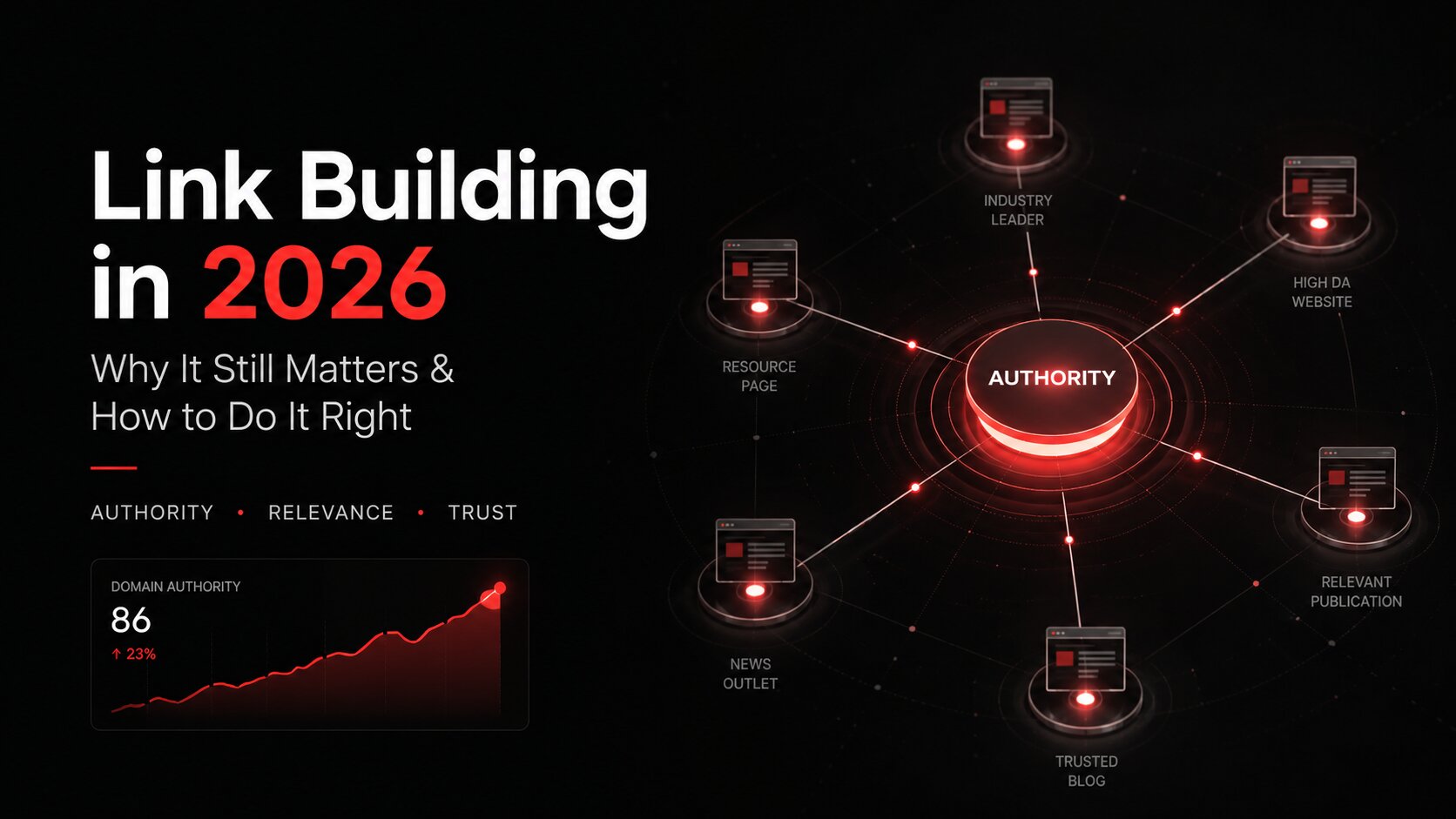
Strategy without execution is just a wish list. The reasoning behind why link building still matters in 2026, and which broad approaches actually work, is covered in Link Building in 2026: What Works and What Doesn't. This is the other half of that conversation, the specific, repeatable tactics a team can actually run this quarter, not the philosophy behind why they matter.
None of these tactics are secret. What separates the businesses that build real authority from the ones still sending generic outreach emails is execution discipline, doing each of these consistently and well, not chasing all of them halfheartedly at once.
A tactic executed well beats five tactics executed halfheartedly. Depth wins over volume every time in modern link building.
HARO REQUESTS
HARO and Journalist Requests
Journalists and publications constantly need expert sources, and platforms connecting reporters with sources exist specifically to fill that gap. The mechanic is simple: reporters post a request describing what they need, an expert quote, a specific data point, a client example, and sources respond directly.
What actually gets picked, though, is narrower than most businesses assume. A response needs to answer the specific question asked, arrive within hours not days since reporters work on deadlines, include a real name and title rather than a generic company byline, and offer something a generic web search wouldn't easily surface, a specific number, a contrarian take, a detail from direct experience. Most responses fail because they're generic pitches with a backlink request buried inside, not because the underlying expertise was actually thin. Building a simple daily habit, checking relevant requests for fifteen minutes each morning, produces far more placements over a year than sporadic bursts of enthusiasm.
PARTNER VENDOR LINKS
Partner and Vendor Links
Every business already has a network of real, legitimate relationships that rarely gets used for link building at all: software vendors, suppliers, contractors, industry associations, complementary service providers. These aren't the manipulative link exchanges the broader strategy piece rightly warns against, they're links that would make sense to exist regardless of SEO, documenting a relationship that's already real.
A software vendor often maintains a customer or case study page, and asking to be featured there is a normal business request, not a favor. A supplier or contractor relationship can support a mutual "who we work with" page on both sides. Industry associations frequently maintain member directories that are simply underused. The test that separates this from a manipulative exchange is straightforward: would this link make sense to a visitor with no knowledge of SEO at all, or does it only exist because two sites agreed to link to each other. If it's the second, skip it.
If a link only makes sense to a search engine, not to an actual visitor, it is not worth pursuing.
TESTIMONIAL LINKS
Testimonial and Case Study Link Building
Every business already pays for or uses a set of tools, platforms, and services. Most of those vendors are actively looking for genuine customer testimonials to feature, and many willingly include a link back to the business providing one. This is one of the lowest-effort, highest-legitimacy tactics available, because the business is doing something it would happily do anyway, endorsing a tool it actually uses, and the link is simply a natural byproduct.
The practical version: list every meaningful tool, platform, or service the business genuinely relies on, check whether each one has a testimonials or case studies page, and offer a specific, detailed testimonial, not "great tool, highly recommend," but a concrete result the tool helped produce. Vague praise gets ignored. Specific outcomes get featured.
PODCAST GUESTING
Guest Podcast Appearances
Podcast guesting earns links differently than most tactics, less often through explicit backlinks and more often through consistent brand mentions, a linked author bio, and a growing pattern of being referenced as a credible voice in a space, exactly the brand-mention signal the broader link building strategy points to as increasingly important alongside traditional backlinks.
Finding relevant shows means searching for podcasts covering adjacent topics, not just the exact same niche, and checking whether they've previously hosted guests with a comparable background. A pitch that works focuses on a specific angle or story, not a generic "I'd love to be on your show," and mentions a genuine, recent episode to show it wasn't a mass-blasted request. After the appearance, most shows are glad to link the episode from a website or newsletter, and the show notes themselves typically carry a link back, worth confirming before recording, not assuming.
CO-MARKETING
Co-Marketing Content With Partners
Two complementary, non-competing businesses serving a similar audience can create something together that neither would produce alone, a joint webinar, a combined guide, a shared research piece, a bundled resource. Each business promotes it to its own audience, and each links to it from its own site, producing a link that's genuinely earned by real collaboration, not requested as a favor.
The businesses worth approaching are ones that serve the same customer at a different stage or for a different need, not direct competitors. A logistics software company and a customs brokerage serve overlapping customers without competing. A web agency and an accounting firm serving small business owners are in the same position. The content itself needs to be worth each partner's own audience's attention independently, not merely an excuse to trade links.
LOCAL SPONSORSHIPS
Local and Community Sponsorships
Local business associations, industry meetups, community events, and local charity initiatives frequently list their sponsors on a dedicated page, and that page almost always links back to the sponsor's website. This tactic works best for businesses with a genuine local or regional presence, and it produces something increasingly valuable beyond the link itself, real community visibility and goodwill that a purely digital tactic can't replicate.
The approach here is straightforward: identify organizations and events genuinely relevant to the business's actual community or industry, not just any sponsorship opportunity available, and treat the relationship as a real community investment first, with the link as a secondary, expected benefit, not the entire point of participating.
ALUMNI NETWORKS
Alumni, Employee, and Professional Network Links
Universities, bootcamps, and professional certification programs often maintain alumni pages or success story features, and a business founder or team member who's genuinely a graduate is a legitimate candidate for inclusion. The same applies to professional associations and industry certification bodies that list members or notable practitioners.
This tactic depends entirely on real, existing credentials, it isn't something to manufacture, but it's frequently overlooked simply because nobody thought to ask. A quick review of where team members studied, trained, or hold certifications, followed by a straightforward outreach asking whether the business could be featured, often surfaces easy, legitimate opportunities that took years to become eligible for and cost nothing to claim.
TRACKING RESULTS
Tracking What Actually Works
Tactical execution without measurement just produces activity, not results. Worth tracking over time: which specific tactic produced each link, since some categories consistently outperform others for a given industry, response rates on outreach by tactic, since a five percent response rate on HARO pitches versus a thirty percent response rate on partner link requests tells you where to spend more time, and the actual traffic and ranking impact of acquired links over several months, not just the raw count.
The businesses that build sustainable authority treat this as an ongoing operational habit, not a one-time project, revisiting which tactics are working every quarter and shifting effort toward whichever produces real results for that specific business, not whichever tactic sounds most impressive.
None of these seven tactics require a large budget or a specialized team. They require consistency, genuine relationships, and executing the parts that are unglamorous but reliable, more than they require any particular cleverness. Combined with the broader authority-building strategy, real expertise, quality content, digital PR, these tactics are how that strategy actually gets executed week to week.
How many of these tactics should we run at once?
Two or three, executed consistently, beat all seven attempted halfheartedly. Pick the tactics that fit the business's actual relationships and resources, HARO if there's genuine subject-matter expertise to offer quickly, partner links if the business has real vendor relationships, and build a simple habit around those before adding more.
How long before these tactics show results?
Most take two to four months before producing a meaningful volume of links, and search ranking impact typically lags several months further behind that. Testimonial and partner links tend to land fastest since they depend on existing relationships, HARO and podcast guesting take longer to build momentum.
Do these tactics still work as AI changes how people search?
Yes, and for the same reason the broader strategy makes clear, these tactics build brand mentions and recognized authority, not just backlinks, which matters across both traditional search rankings and how AI systems assess which sources to trust and cite.
Not sure which of these tactics actually fit your business, or want someone to run this consistently instead of squeezing it in between everything else?
- Share
-

-

-

-

Related Reading
-
01. 02. 2021
Why Responding to Online Reviews Matters in 2026 — And How to Do It Right

-
15. 06. 2026
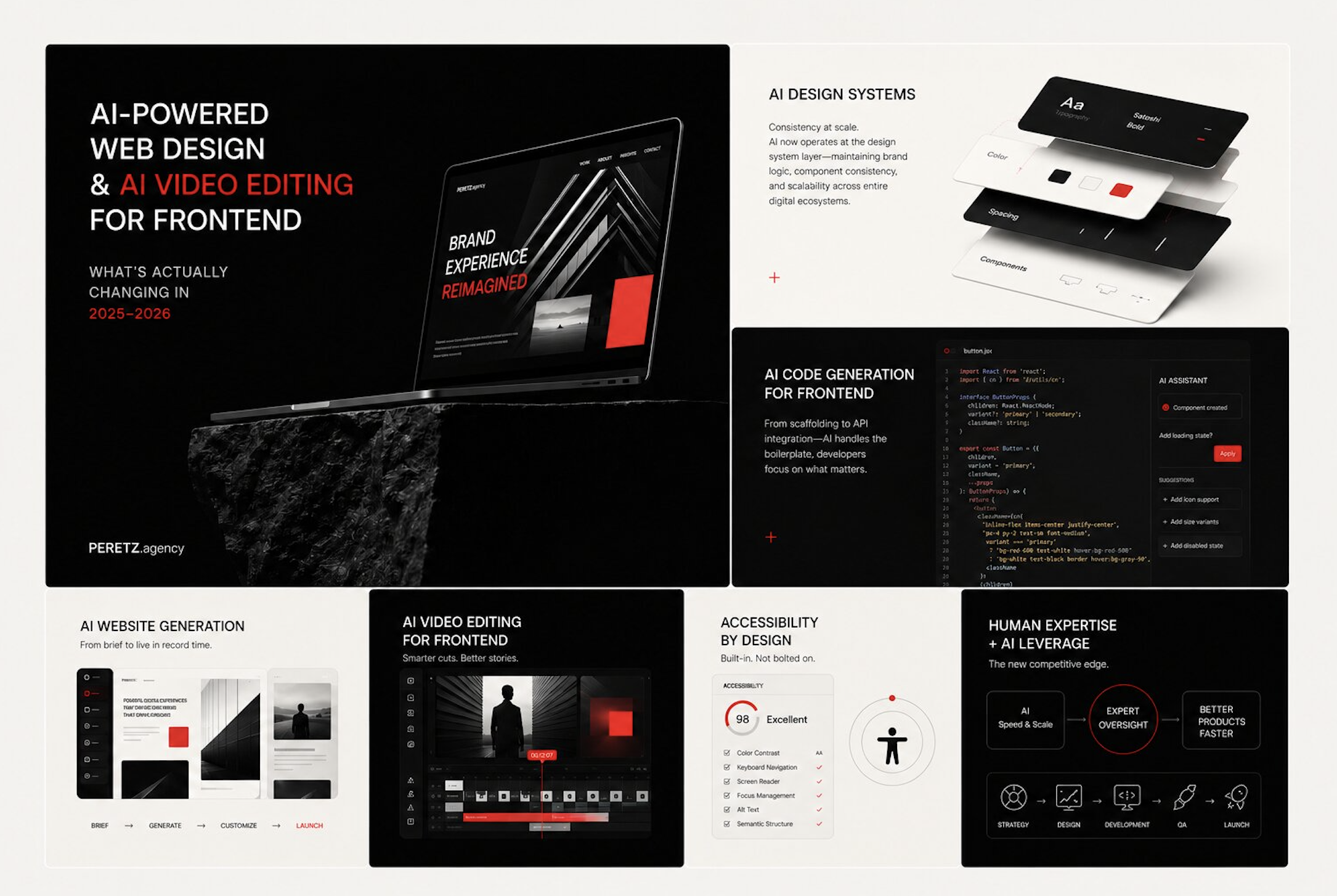
AI-Powered Web Design and AI Video Editing in 2025-2026
-
24. 11. 2020

7 UX/UI Design Trends That Actually Matter in 2026
-
20. 12. 2020
Why Your E-Commerce Store Needs a Blog in 2026 — And How to Start One That Actually Works
-
30. 11. 2020

The case of Laduchi
-
21. 06. 2026

Website Design for Architecture Firms: What Actually Works
-
24. 06. 2026

How to Choose a Web Design Agency in Seattle: A Business Owner’s Guide for 2026
-
25. 06. 2026

Website Redesign vs New Website: How to Make the Right Decision in 2026
-
27. 06. 2026

Your Business Is Invisible to AI Search in 2026 — Here's How to Fix It
-
29. 06. 2026

Meta Ads in 2026: What Budget Do You Really Need to See Results?
-
30. 06. 2026

The Most Expensive Mistake Business Owners Make Before Hiring a Digital Agency
-
04. 07. 2026

What Working With a Kindergarten Taught Me About B2C Trust — And What Every Premium Brand Needs to Hear
-
07. 07. 2026
Human-First Content Strategy: Why AI Content Is Losing the Trust War in 2026
-
09. 07. 2026

Traffic But No Leads? Your Customer Is Doing Math You Never See
-
29. 07. 2026

The Hidden Cost of Standing Still: Why Modern Businesses Lose Competitive Advantage Long Before They Notice
-
14. 02. 2021
Link Building in 2026: What Works and What Doesn’t