


Every year, thousands of businesses invest in redesigning websites that were never the real problem.
Others spend tens of thousands of dollars replacing websites that only needed strategic improvements.
The difficult part isn’t choosing between a website redesign and a completely new website.
The difficult part is understanding which decision creates the greatest long-term value for your business.
A website isn’t simply a marketing asset anymore. For many businesses, it’s the first sales conversation, the first impression, and often the first reason a potential customer decides whether your company is worth contacting.
That’s why the wrong decision can cost far more than the project itself.
This guide will help you evaluate your current website objectively, compare both approaches, understand the impact on SEO, performance, scalability, and long-term ROI, so you can make a business decision—not an emotional one.
⸻
Before You Read Further
Most businesses begin with the wrong question.
They ask:
“Should we redesign our website?”
A better question is:
“What business problem are we actually trying to solve?”
If your objective is to generate more qualified leads, improve customer trust, increase conversion rates, support future growth, or simplify internal operations, a redesign may be the answer.
Or it may not.
A website is often the solution.
It is surprisingly rarely the problem itself.
⸻
Quick Comparison
|
Factor |
Website Redesign |
New Website |
|
Initial Investment |
Lower |
Higher |
|
Timeline |
Faster |
Longer |
|
Visual Improvement |
Excellent |
Excellent |
|
User Experience |
Improved |
Completely Rebuilt |
|
Technology |
Existing Foundation |
New Architecture |
|
Scalability |
Moderate |
Excellent |
|
SEO Risk |
Lower |
Moderate (when managed incorrectly) |
|
Best Choice For |
Healthy websites |
Outdated platforms |
It’s Not Really About Design
Choosing between redesigning and rebuilding isn’t a design decision.
It’s a business decision.
Imagine renovating a commercial building.
If the foundation is solid, the structure is reliable, and the layout still supports modern requirements, renovation usually makes financial sense.
But if every improvement uncovers another structural issue, rebuilding eventually becomes the less expensive option.
Business websites work exactly the same way.
The appearance may be outdated.
Or the technology underneath may already be limiting growth.
The challenge isn’t identifying what looks old.
The challenge is understanding what has actually become the bottleneck.
⸻
When a Website Redesign Makes Sense
A redesign is usually the right investment when your existing website still has a healthy foundation.
Typical indicators include:
- Strong search engine visibility
- Reliable CMS and administration panel
- Logical page structure
- Relevant content
- Acceptable loading speed
- Stable technical architecture
- The primary issue is branding, visual design, or user experience
In these situations, redesigning allows you to modernize the customer experience while preserving years of SEO authority, existing content, and technical investments.
Done correctly, a redesign can significantly improve conversion rates without rebuilding everything from scratch.
⸻
When Building a New Website Is the Smarter Decision
Sometimes the website itself becomes the limitation.
Common warning signs include:
- An outdated platform that is difficult to maintain
- Poor Core Web Vitals
- Slow loading speed
- Weak mobile experience
- Frequent technical problems
- Complicated content management
- Security concerns
- Business growth that has outpaced the website
If every improvement requires another workaround, another plugin, or another technical compromise, you’re no longer investing in growth.
You’re investing in maintenance.
At that point, rebuilding often becomes the more economical long-term decision.
⸻
Compare Both Options Side by Side
|
Category |
Website Redesign |
New Website |
|
Initial Cost |
Lower |
Higher |
|
Long-Term Flexibility |
Moderate |
Excellent |
|
Development Time |
Shorter |
Longer |
|
SEO Preservation |
Easier |
Requires Migration Strategy |
|
Performance Improvements |
Moderate |
Significant |
|
Future Scalability |
Limited by Existing Platform |
Built for Growth |
|
Technical Debt |
Remains |
Eliminated |
|
Risk |
Lower |
Higher During Launch |
|
Best For |
Businesses with healthy websites |
Businesses planning long-term growth |
The Decision Matrix
Before making a significant investment, answer these questions honestly.
Not based on assumptions.
Based on today’s reality.
1. Does your website still represent the company you’ve become?
Many businesses evolve faster than their websites.
New services.
Better positioning.
Higher-value clients.
Greater expertise.
Yet the website still represents the company from five years ago.
If your business has changed significantly, your website should evolve with it.
2. Is your website supporting your sales process—or slowing it down?
If your team repeatedly answers the same questions…
If prospects hesitate before contacting you…
If visitors leave without taking action…
The website may no longer support your business objectives.
3. Are you investing in improvements—or constantly fixing problems?
Improving a healthy platform creates value.
Continuously repairing an unhealthy one creates expenses.
There is an important difference.
4. If you launched your company today, would you build this same website again?
For many business owners, this question changes everything.
If your honest answer is “no,” your decision is probably no longer about design.
It’s about whether your current website still deserves to remain the foundation of your digital presence.
5. Where do you expect your business to be three years from now?
Great websites aren’t built for today’s business.
They’re built for tomorrow’s business.
Your website should support the company you’re becoming—not the company you’ve already outgrown.
Hidden Costs Most Businesses Don’t Consider
When comparing a redesign with a completely new website, many businesses focus almost entirely on the initial price.
Ironically, that’s often the least important number.
The real cost of a website is measured over the next three to five years—not the next thirty days.
Consider the following:
|
Hidden Cost |
Website Redesign |
New Website |
|
Maintaining outdated code |
High |
None |
|
Future feature limitations |
Possible |
Minimal |
|
Plugin compatibility issues |
Common |
Rare |
|
Technical debt |
Remains |
Removed |
|
Long-term maintenance |
Higher |
Lower |
|
Future redesign complexity |
Higher |
Lower |
A redesign may cost less today.
A new website may cost less over the next five years.
The right decision depends on where your business is today—and where you expect it to be tomorrow.
⸻
Common Mistakes Businesses Make
After working with companies in different industries, we’ve noticed the same mistakes repeated over and over again.
Choosing Based on Price Alone
The least expensive solution often becomes the most expensive one after several years of continuous fixes, compromises, and missed opportunities.
A website isn’t a purchase.
It’s an investment in how your business grows.
⸻
Focusing on Appearance Instead of Business Performance
A beautiful website that fails to generate inquiries is simply an expensive portfolio piece.
Design matters.
Results matter more.
⸻
Ignoring Long-Term Growth
Many websites are built around today’s needs.
Few are built around tomorrow’s business.
Growth usually requires:
- additional services
- better automation
- CRM integration
- marketing campaigns
- new landing pages
- improved customer experience
If your website cannot grow together with your business, you’ll eventually build another one.
⸻
Thinking SEO Can Be Added Later
SEO isn’t a finishing touch.
It should influence architecture, content structure, page hierarchy, internal linking, page speed, and technical implementation from the beginning.
Good SEO starts before the first design mockup—not after launch.
⸻
Solving the Wrong Problem
This is probably the most expensive mistake.
Sometimes the website really is the problem.
Sometimes it isn’t.
Poor positioning.
Weak messaging.
Lack of trust.
No marketing strategy.
No traffic.
Low-quality leads.
None of these are automatically solved by building a new website.
The first question should never be:
“Do we need a new website?”
It should be:
“What problem are we actually trying to solve?”
⸻
Cost Comparison
Although every project is different, the following ranges represent typical investments for professional business websites in the United States.
|
Project Type |
Typical Investment |
|
Professional Website Redesign |
$5,000–15,000 |
|
New Corporate Website |
$12,000–40,000+ |
|
Enterprise Website |
$40,000+ |
Price alone should never determine the decision.
The better question is:
Which investment creates the greatest return over the next several years?
⸻
Before You Decide
Before making a significant investment, step away from the screen for five minutes.
Answer these questions honestly.
Discuss them with your business partner or leadership team.
Challenge your own assumptions.
The quality of your decision will depend far more on the quality of your thinking than on the speed of your answer.
Questions Worth Asking
- Does our website represent the business we’ve become?
- If we launched the company today, would we build this same website again?
- What business problem are we actually trying to solve?
- Are we redesigning because the website is failing—or because the business has changed?
- How will we measure success twelve months after launch?
- What happens if we decide to change nothing?
Sometimes these questions provide more clarity than dozens of agency proposals.
⸻
Final Thoughts
Not every business needs a new website.
Not every website deserves a redesign.
The businesses that consistently make better digital decisions usually have one thing in common:
They spend more time understanding the problem than choosing the solution.
Technology changes.
Design trends evolve.
Search engines update.
But thoughtful decision-making never goes out of date.
⸻
Frequently Asked Questions
Is it better to redesign a website or build a new one?
It depends on the condition of your current website. If the platform is technically healthy, a redesign is often the better investment. If technology limits future growth, rebuilding usually creates greater long-term value.
Will a redesign hurt my SEO?
Not necessarily.
When planned correctly, a redesign can preserve existing rankings while improving user experience and conversions.
How often should a business redesign its website?
Most business websites benefit from a major review every three to five years. That doesn’t always mean rebuilding—it means evaluating whether the website still supports the company’s goals.
Is building a new website always more expensive?
Initially, yes.
Over several years, however, a modern platform may reduce maintenance costs, improve performance, and eliminate technical debt, making it the more economical option.
⸻
Need a Second Opinion?
If you’re still unsure whether your business needs a redesign, a completely new website, or a different solution altogether, we’d be happy to evaluate your current website objectively.
Sometimes the answer is a redesign.
Sometimes it’s a new website.
Sometimes the website isn’t the real problem at all.
Our goal isn’t to recommend the biggest project.
Our goal is to help you make the right decision for your business.
- Share
-

-

-

-

Related Reading
-
24. 06. 2026

How to Choose a Web Design Agency in Seattle: A Business Owner’s Guide for 2026

-
14. 02. 2021
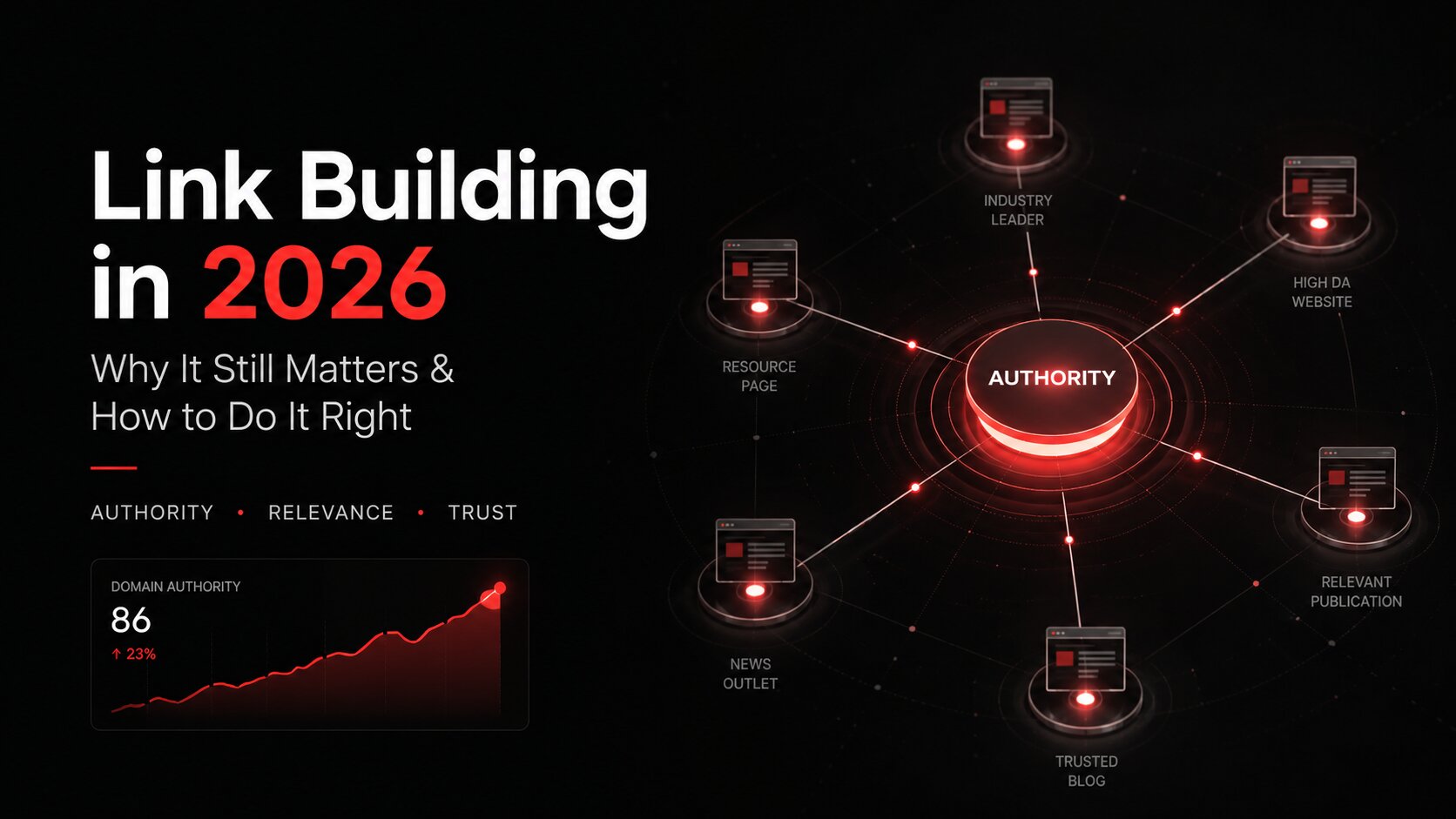
Link Building in 2026: Why It Still Matters and How to Do It Right
-
19. 06. 2026
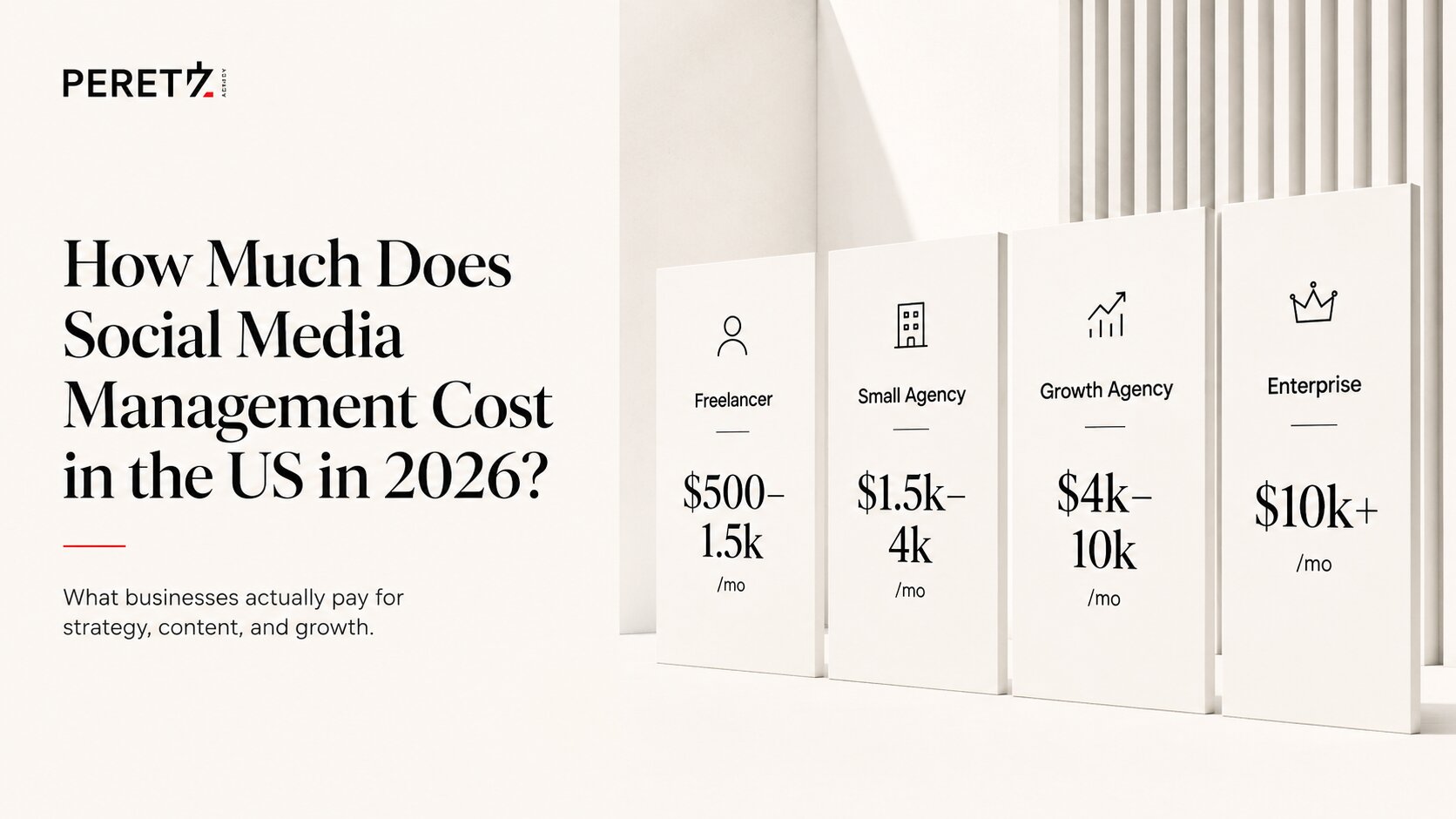
How Much Does Social Media Management Cost in the US in 2026?
-
15. 06. 2026
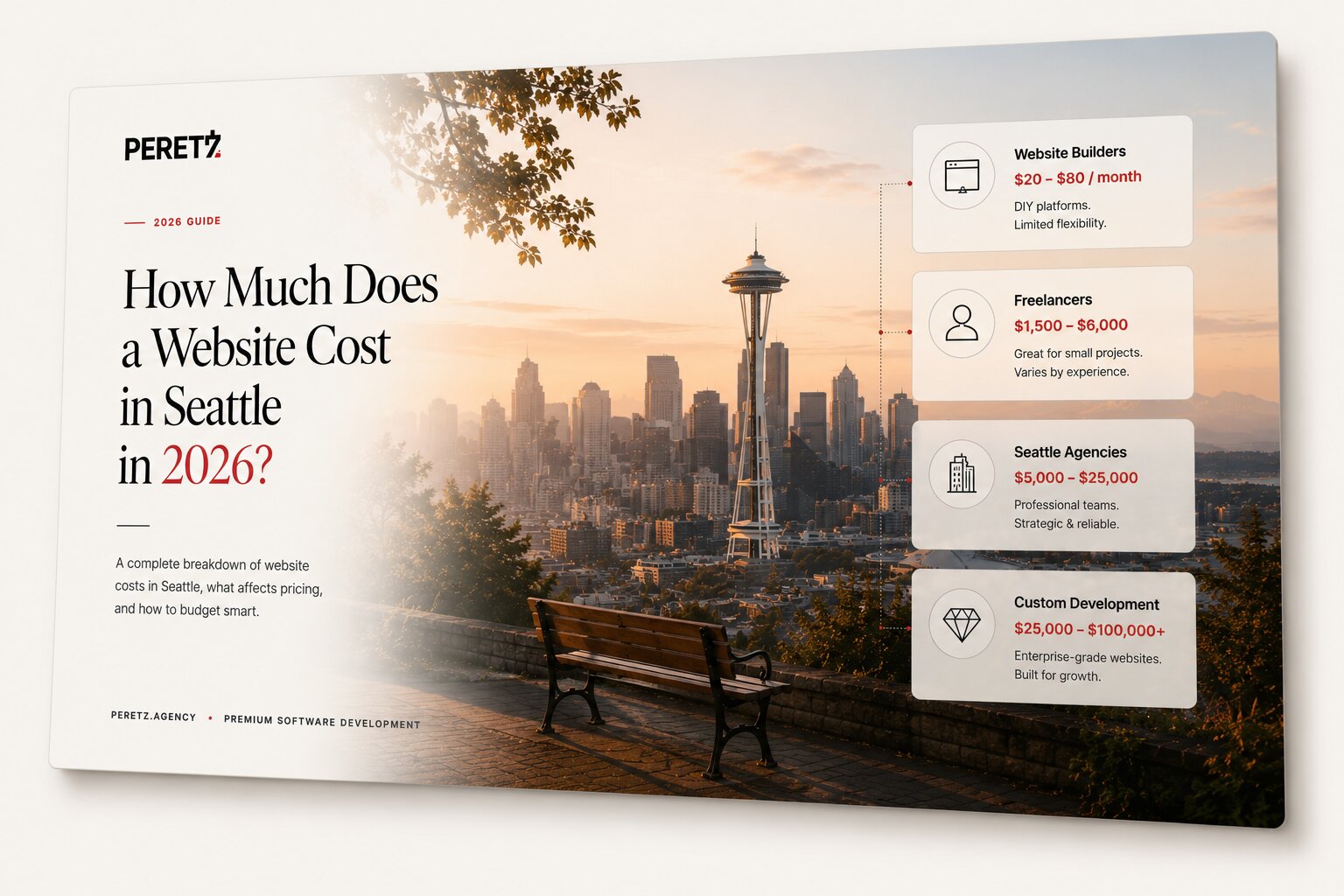
How Much Does a Website Cost in Seattle in 2026?
-
01. 02. 2021
Why Responding to Online Reviews Matters in 2026 — And How to Do It Right
-
20. 12. 2020
Why Your E-Commerce Store Needs a Blog in 2026 — And How to Start One That Actually Works
-
29. 06. 2026

How AI Is Changing Product Development in 2026 (But Great Ideas Still Win)
-
17. 08. 2026
SEO, AEO, and GEO in 2026: What Actually Matters to Google, and What Your Marketer's Report Should Show