


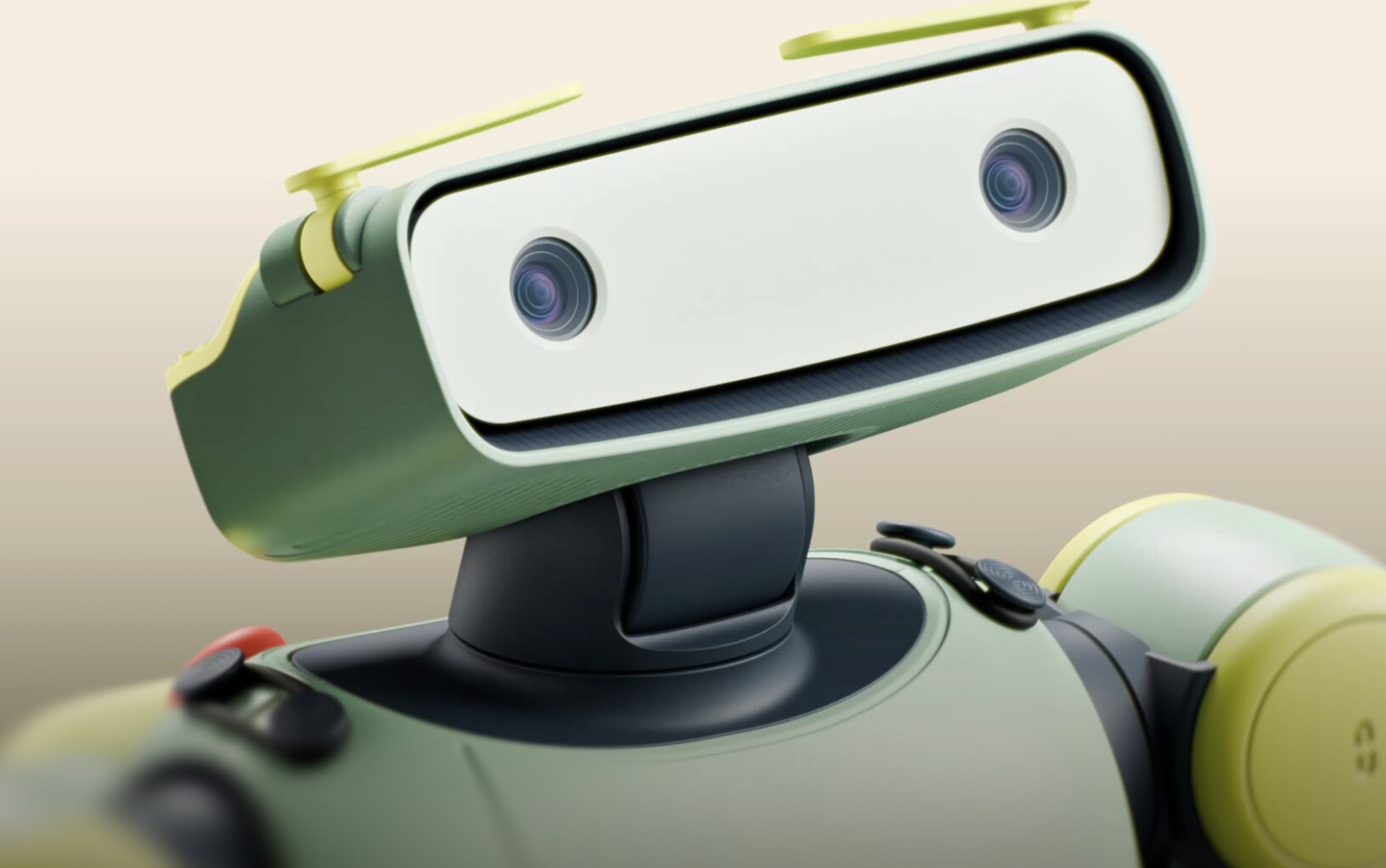
Design in 2026 isn't about aesthetics. It's about performance, trust, and the elimination of everything that doesn't earn its place on the screen.
The last five years have been chaotic for digital design. AI tools changed who can create interfaces. User expectations reset completely. Attention spans compressed further. And the businesses that treated their digital presence as a branding exercise — rather than a conversion system — got left behind.
Here are the seven trends defining UX/UI design in 2026 — and why each one matters for your business.

1. AI-Augmented Design Systems
AI hasn't replaced designers. It has fundamentally changed what designers spend their time on.
In 2026, serious design teams use AI to generate layout variations, test color systems, produce copy drafts, and identify UX friction points — in minutes rather than weeks. The strategic and creative thinking remains human. The execution is accelerated by an order of magnitude.
For businesses, this means custom, high-quality digital experiences are now accessible at price points that were previously impossible. The gap between "we can afford a good website" and "we can't" has collapsed.

2. Radical Minimalism
The era of complex, feature-heavy interfaces is over. Users have become intolerant of cognitive load.
In 2026, the highest-converting interfaces are also the simplest. One clear message per screen. One primary action. Generous white space. Typography that does the heavy lifting.
This isn't a stylistic choice — it's a conversion strategy. Every element that doesn't serve a specific purpose actively hurts performance.
3. Motion as Communication
Micro-interactions and motion design have evolved from decorative flourishes to functional communication tools.
In 2026, motion tells users what's happening, confirms actions, guides attention, and reduces cognitive uncertainty — all without adding a single word to the interface. The best interactions are the ones users don't consciously notice but would immediately miss if they were gone.
The key shift: motion is now planned at the strategy stage, not added as a finishing touch.

4. Accessibility as a Standard
Accessibility is no longer optional. In the US and EU, legal requirements have tightened significantly. But beyond compliance, the data is clear — accessible design consistently outperforms inaccessible design on every metric that matters: conversion, retention, time on site, and search ranking.
In 2026, WCAG 2.2 compliance is the floor, not the ceiling. The best digital products are designed for the full spectrum of human ability from the first wireframe.
5. Variable Typography
Typography has become the primary design tool for serious digital brands.
Variable fonts — which allow weight, width, and style to shift fluidly based on viewport, scroll position, or interaction state — are now widely supported and widely used. They reduce page load, increase design expressiveness, and allow typographic systems to feel alive rather than static.
For brands competing in premium markets, typography is the single most cost-effective differentiator available.

6. Dark Mode as Default
Dark mode has moved from a user preference to a design-first decision for many product categories — particularly in B2B SaaS, fintech, and creative tools.
The reasons are practical: reduced eye strain for extended use, better contrast for data visualization, and a premium aesthetic that resonates with professional users. In 2026, designing for both modes from the start is standard practice for any product with serious ambitions.

7. Zero-UI and Voice Interfaces
Screens are no longer the only interface. Voice commands, gesture controls, and ambient computing are moving from niche applications to mainstream product features.
In 2026, forward-thinking design systems account for interactions that happen without a screen — or where the screen is secondary to voice or gesture. This is particularly relevant for e-commerce, healthcare, automotive, and smart home categories.
The implication for web design: interfaces need to be structurally clear enough to be understood and navigated without visual context.
What This Means for Your Business
UX/UI trends in 2026 aren't about following what looks good in design portfolios. They're about building digital products that perform — for real users, in real contexts, with real business objectives.
The businesses investing in design systems, accessibility, and motion strategy today are building compounding advantages that will be very difficult for competitors to close.
Working With Peretz Agency
We design and develop custom digital products for businesses in Seattle, Bellevue, and across the US and European markets.
If your current website or application isn't performing at the level your business deserves — let's talk about what's actually holding it back.
- Share
-

-

-

-

Related Reading
-
14. 02. 2021
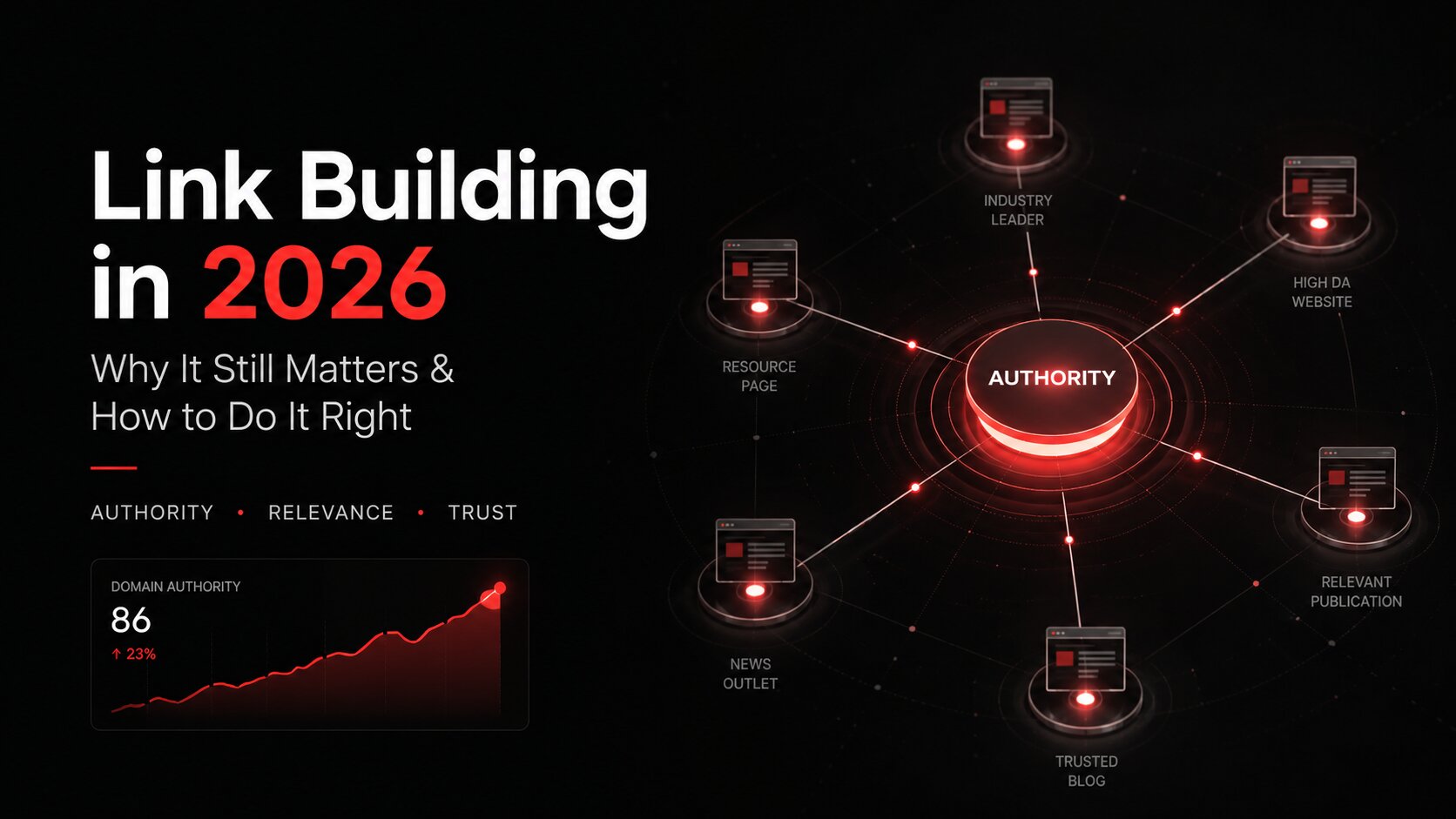
Link Building in 2026: Why It Still Matters and How to Do It Right

-
02. 12. 2020

Redesign of Sports Online Store Sport Discount
-
14. 02. 2021
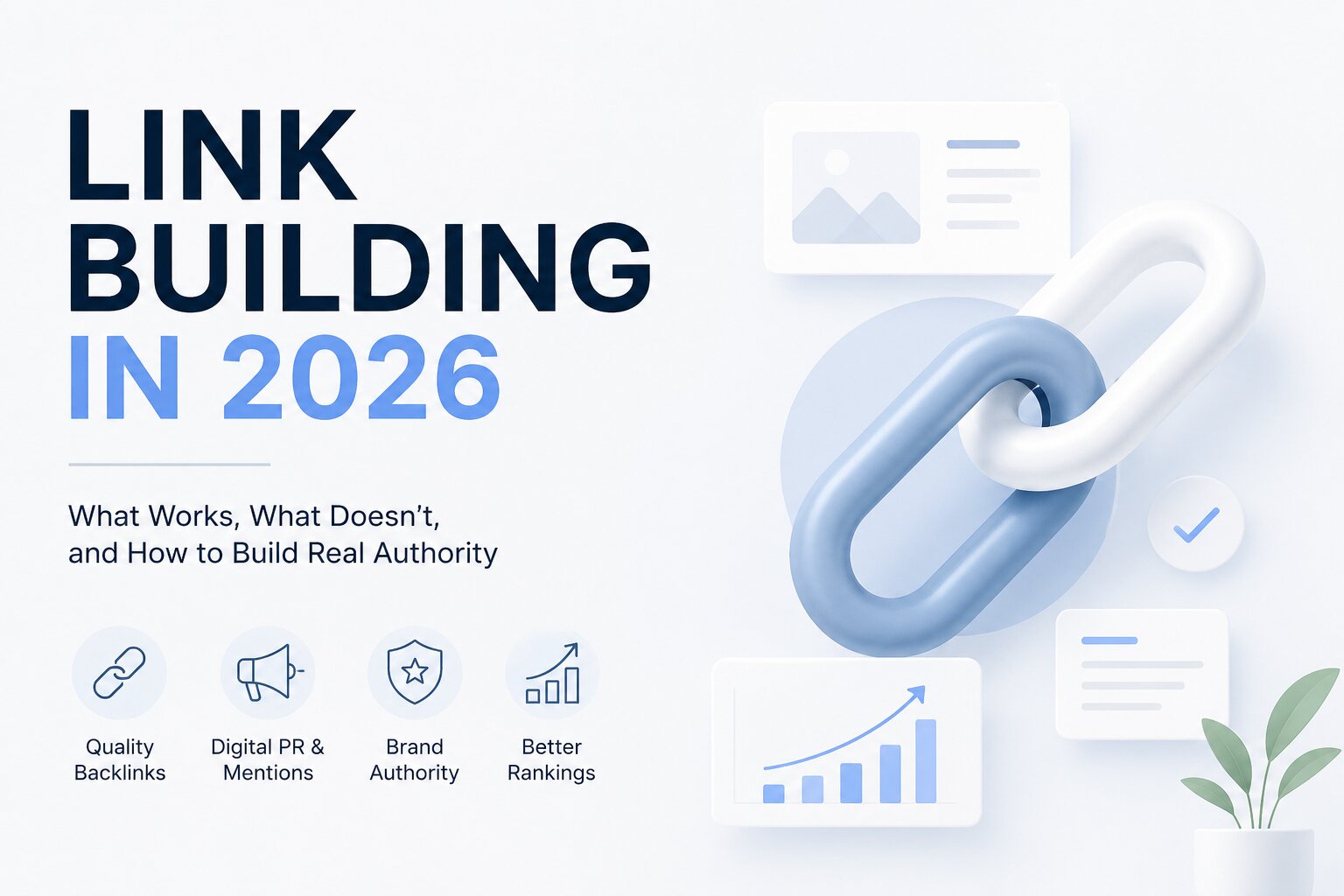
Link Building in 2026: What Works and What Doesn’t
-
01. 02. 2021
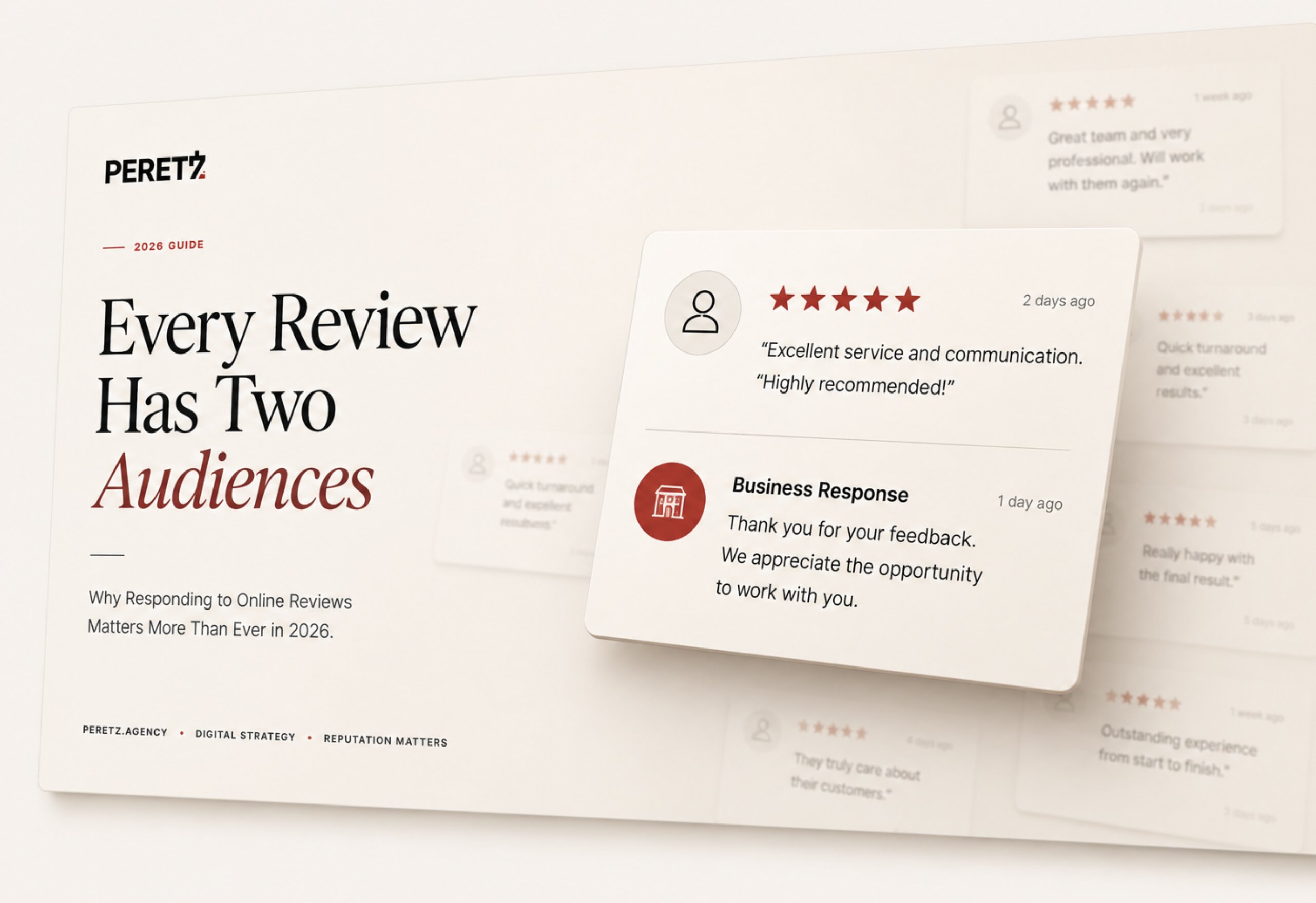
Why Responding to Online Reviews Matters in 2026 — And How to Do It Right
-
17. 06. 2026
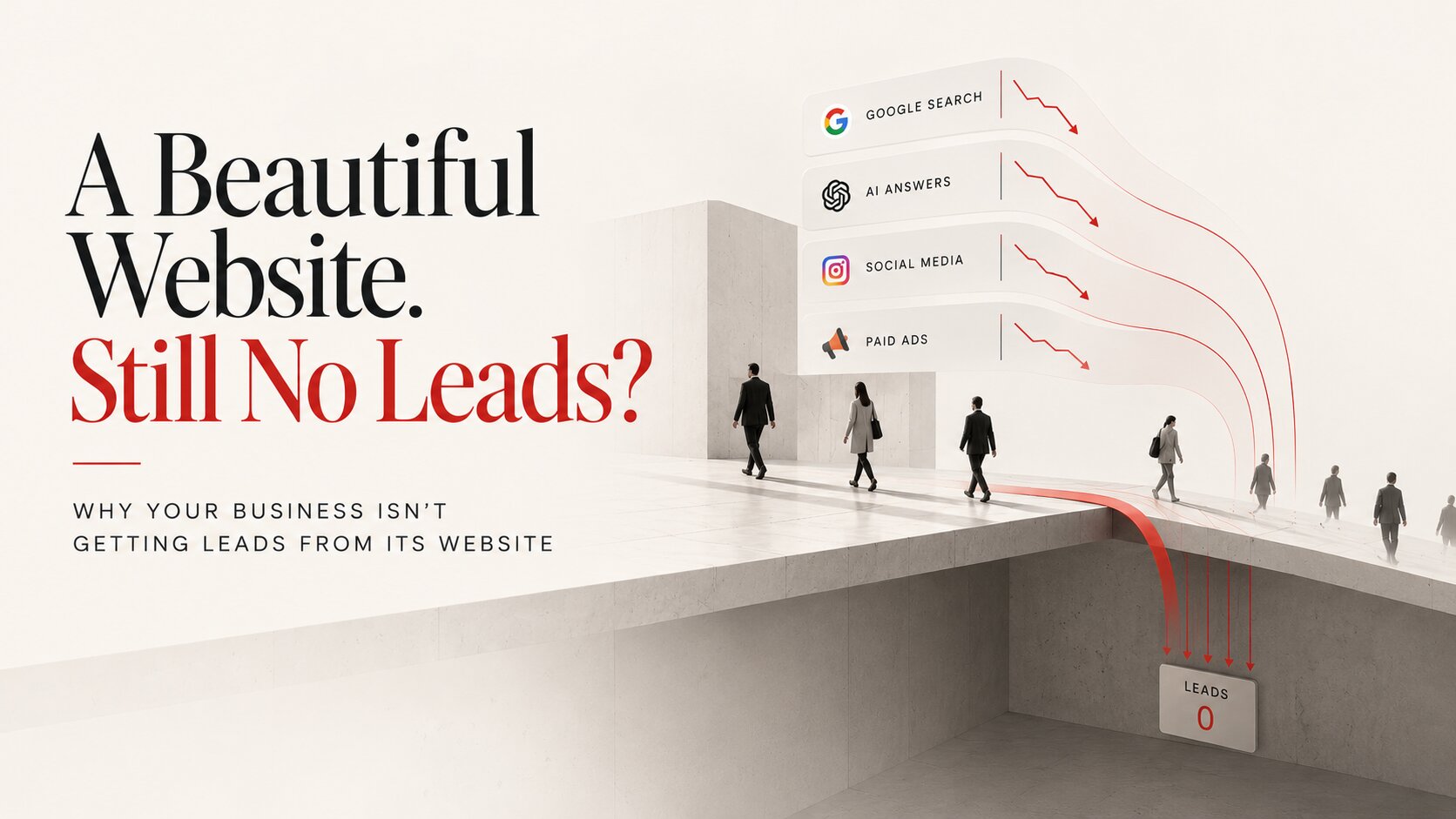
Why Your Business Isn't Getting Leads From Its Website (And How to Fix It in 2026)
-
18. 06. 2026

Website Redesign Seattle | We Build Sites That Generate Leads
-
18. 06. 2026
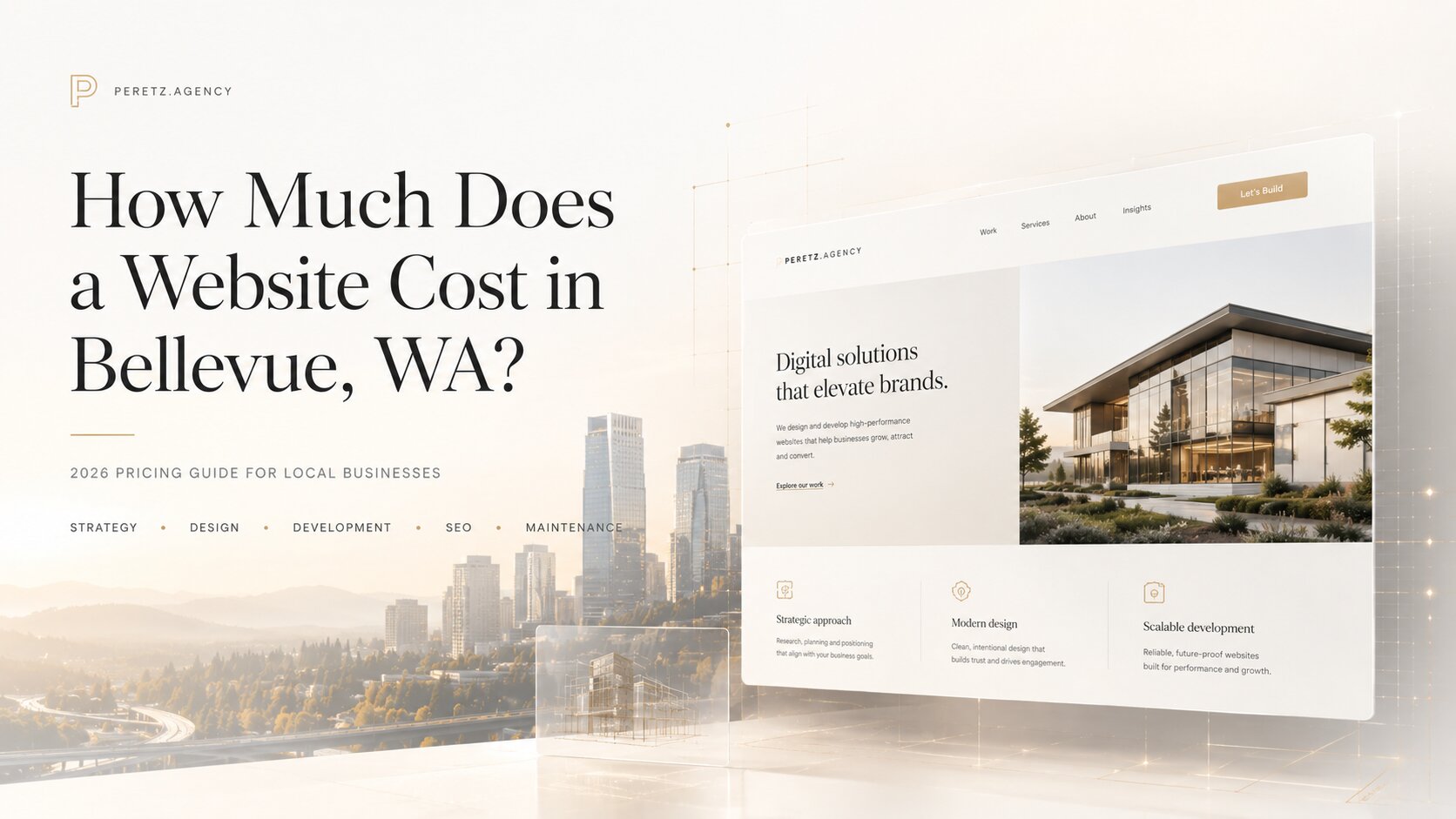
How Much Does a Website Cost in Bellevue WA in 2026?
-
13. 11. 2020
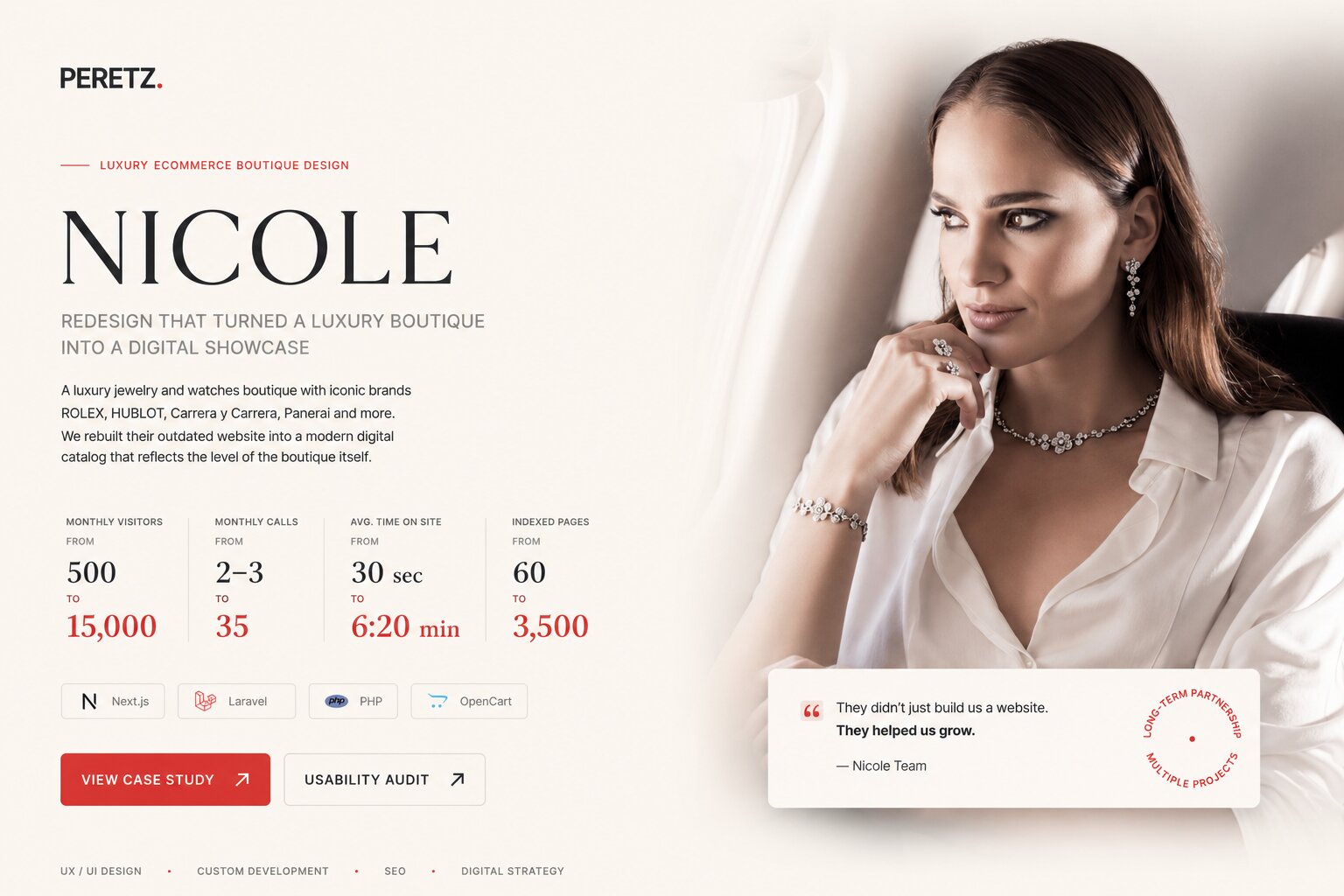
Why Launching a New Site Is Good for SEO: The Nicole Case