


A System Connects Five Things. A Calendar Schedules One.
A social media strategy is not a list of posts. It is a system connecting business objectives, positioning, content, distribution, and measurable outcomes. A content calendar is not that system, it is one artifact the system produces, and businesses that mistake the artifact for the system are the ones asking, every few months, why social media "isn't working" for them.
A calendar tells you what goes out on Tuesday. A strategy tells you why Tuesday's post exists at all.
CONFUSION COSTS MONEY
The Confusion That Costs Businesses Money
Almost every business that comes to an agency asking for "strategy" is actually asking for a schedule: a grid of dates, formats, and captions that makes the uncertainty of "what do we post next" go away. That's a real, useful thing to have. It is also not a strategy, and the confusion is expensive, because a business can execute a content calendar flawlessly, on time, every week, for a year, and still have no idea whether social media moved the business forward at all.
This is the same conflation this cluster has been circling from different angles. Why content isn't working, how often to post, whether a strategy is working, each of those questions only has a real answer once you separate the schedule from the system behind it. This article is where the separation gets made explicit.
WHAT CALENDAR ACTUALLY IS
What a Calendar Actually Is
A content calendar is a scheduling artifact. It answers when and in what format. It cannot answer why, why this topic, for this audience, toward this business result, because that isn't the question a calendar was built to hold. A business can have a perfect calendar and a broken strategy, and it will look, from the outside, exactly like inconsistent content, because a calendar with no system behind it eventually runs out of things worth saying and starts filling slots instead.
FIVE THINGS STRATEGY CONNECTS
The Five Things a Real Strategy Connects
Strip away the templates and the jargon, and a working social media strategy is a chain of five connected decisions. Break any link, and everything downstream of it breaks with it, which is exactly why so many audits of "underperforming" social media find the actual problem sitting two or three links upstream of where the client was looking.
BUSINESS OBJECTIVES
↓
POSITIONING
↓
CONTENT
↓
DISTRIBUTION
↓
MEASURABLE OUTCOMES
Business Objectives. What the business actually needs from marketing right now, more qualified leads, higher retention, a category shift, brand credibility ahead of a fundraise. If this link is vague ("we want more visibility"), every link after it inherits that vagueness, and no calendar can fix a goal that was never specific.
Positioning. What the business stands for, to whom, and why that's different from the alternative. Positioning is the translation layer between a business objective and a piece of content, without it, content production has no criteria for what to say yes or no to, and the feed fills with whatever felt easy that week, exactly the gap covered in what is a social media strategy.
Content. The actual posts, formats, and topics, but only as the output of the two links above it, not as the starting point. Content decided before positioning is content chasing trends and competitors instead of expressing a specific point of view, which is exactly the failure mode this cluster already diagnosed in detail in why your social media content isn't working.
Distribution. Which platform, which format, which frequency, which paid support, the mechanical layer everyone treats as the whole strategy because it's the most visible and the easiest to benchmark. It matters. It is also the fourth link in a five-link chain, not the first.
Measurable Outcomes. Not likes. Reach, engagement, and saves matter as read-outs of resonance, but the outcomes that justify the whole chain are qualified leads, cost per lead, assisted conversions, and revenue. A strategy that can't be traced to this link isn't a strategy a business can defend in a budget conversation, exactly what a strategy that actually generates leads has to prove.
WHERE CLUSTER SHOWED CRACKS
Where This Cluster Already Showed You the Cracks
Content that isn't working is almost always a break between positioning and content, no pillars, no point of view, content disconnected from the business it's supposed to represent. The posting-frequency question is a distribution-layer question that businesses keep asking as if it were the whole strategy, when frequency without a clear objective and positioning behind it is just noise on a schedule. And "is our strategy working" only has an answer once measurable outcomes are actually being tracked back to the objective that started the chain, which is why followers were never the right place to look.
Every audit I've done that started with "our content isn't performing" ended somewhere else entirely, a business objective that was never made specific, or a positioning decision nobody had actually made. By the time a client notices the content, three other links in the chain have usually already broken. Fixing the feed without fixing what's upstream of it just produces a better-looking version of the same problem.
READ THE SYSTEM
Read the System, Not Just This Page
This article sits at the top of a cluster built to walk through every link in that chain, in the order a business actually needs to think about it. The map below is the reading path, and the order matters more than any single article in it.
The Reading Path
| Layer | What It Covers | Where to Go Next |
|---|---|---|
| Foundation | What strategy is; how to build one; where it ends and management begins; what it costs | What Is a Social Media Strategy? · How to Build a Social Media Strategy · Strategy vs. Management · How Much Does Strategy Cost in 2026? |
| Execution | Why content underperforms; how often to actually post; why skepticism about SMM persists | Why Your Social Media Content Isn't Working · How Many Posts Does a Business Really Need? · Is SMM Dead? |
| Proof | How to measure whether any of it is working; how strategy connects to revenue | How to Know If Your Social Media Strategy Is Working · Media Strategy Generates Leads |
| Action | Where this becomes a working engagement | SMM / Strategy Service · Book a Strategic Session |
THE POINT
The Point
A content calendar will always feel like the strategy, because it's the part you can see, touch, and fill in a spreadsheet. The actual strategy is upstream of it and mostly invisible, which is precisely why so many businesses optimize the calendar for years without ever fixing the chain that calendar was supposed to serve.
If your team can describe your posting schedule in detail but can't answer, in one sentence, which business objective each content pillar serves, you don't have a strategy gap. You have a calendar standing in for one, and it will keep producing the same flat results until someone rebuilds the four links standing behind it.
A calendar with no system behind it eventually runs out of things worth saying and starts filling slots instead.
Peretz Agency starts every engagement at the top of that chain, not at the calendar. A strategic session is where we find out which link actually needs fixing.
What's the actual difference between a social media strategy and a content calendar?
A content calendar answers when and in what format to post. A strategy answers why, connecting business objectives, positioning, content, distribution, and measurable outcomes into one chain. A calendar is one artifact that strategy produces, not the strategy itself.
Can a business have a perfect content calendar and still fail at social media?
Yes, and it's one of the most common patterns in underperforming accounts. A calendar with no positioning or clear objective behind it eventually runs out of things worth saying and starts filling slots instead, which looks like inconsistent content from the outside but is actually a missing strategy underneath a perfectly executed schedule.
Which link in the five-part chain do most businesses get wrong first?
Usually positioning or the business objective itself, not content or distribution. Audits that start with "our content isn't performing" typically end at a business objective that was never made specific, or a positioning decision that was never actually made, several links upstream of where the client was originally looking.
Why does frequency come after positioning in this framework, not before it?
Because posting frequency is a distribution-layer decision, and distribution is the fourth link in the chain, not the first. Frequency without a clear objective and positioning behind it is just noise on a schedule, regardless of how disciplined the posting cadence is.
How does a business know which link in the chain actually needs fixing?
By tracing measurable outcomes, qualified leads, cost per lead, assisted conversions, revenue, back to the original business objective. If that trace breaks down, the problem usually sits two or three links upstream of wherever the business first noticed something felt wrong.
- Share
-

-

-

-

Related Reading
-
26. 06. 2026
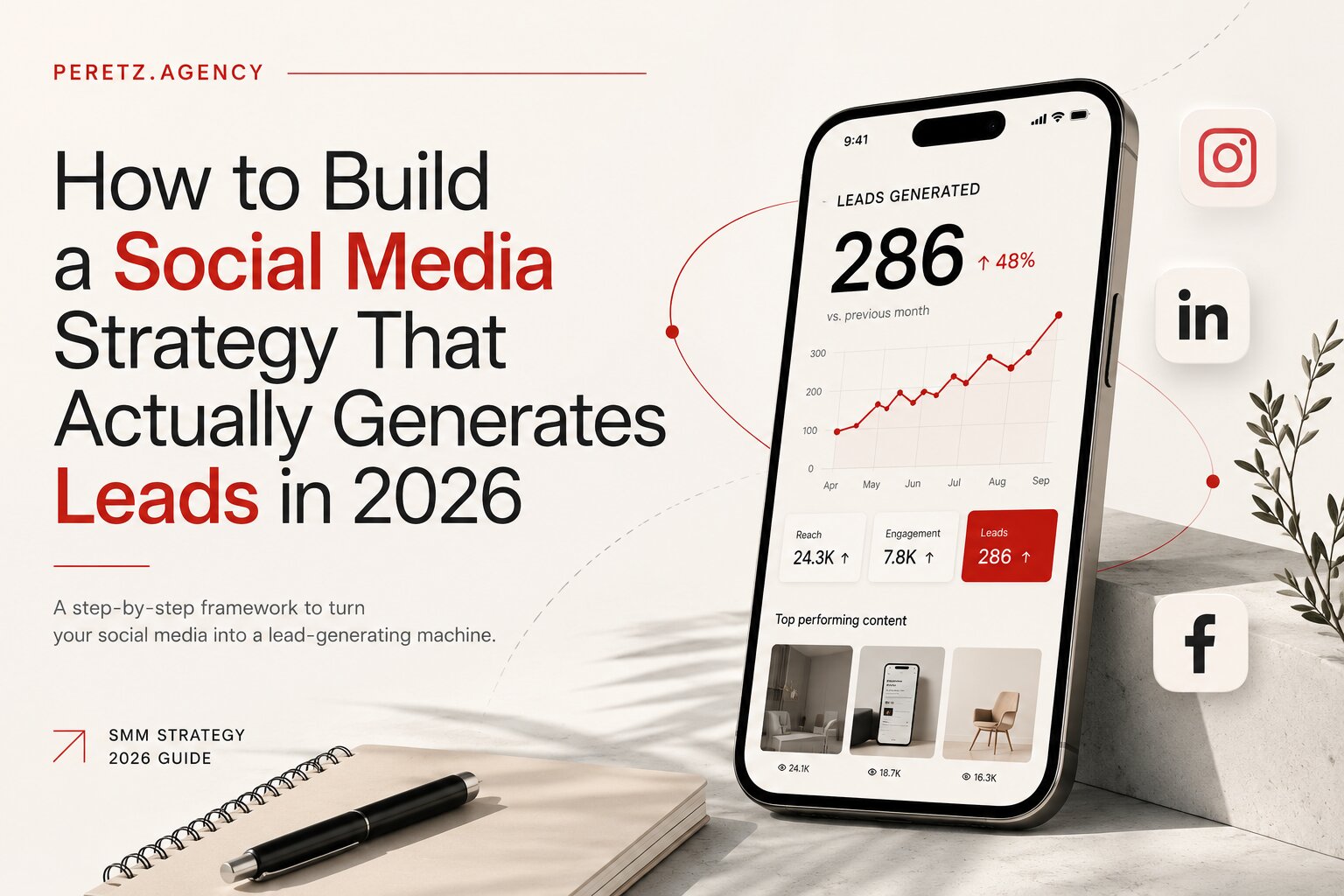
How to Build a Social Media Strategy That Actually Generates Leads

-
08. 09. 2026

Why Your Social Media Content Isn't Working (7 Real Reasons, Not Algorithm Excuses)
-
08. 09. 2026
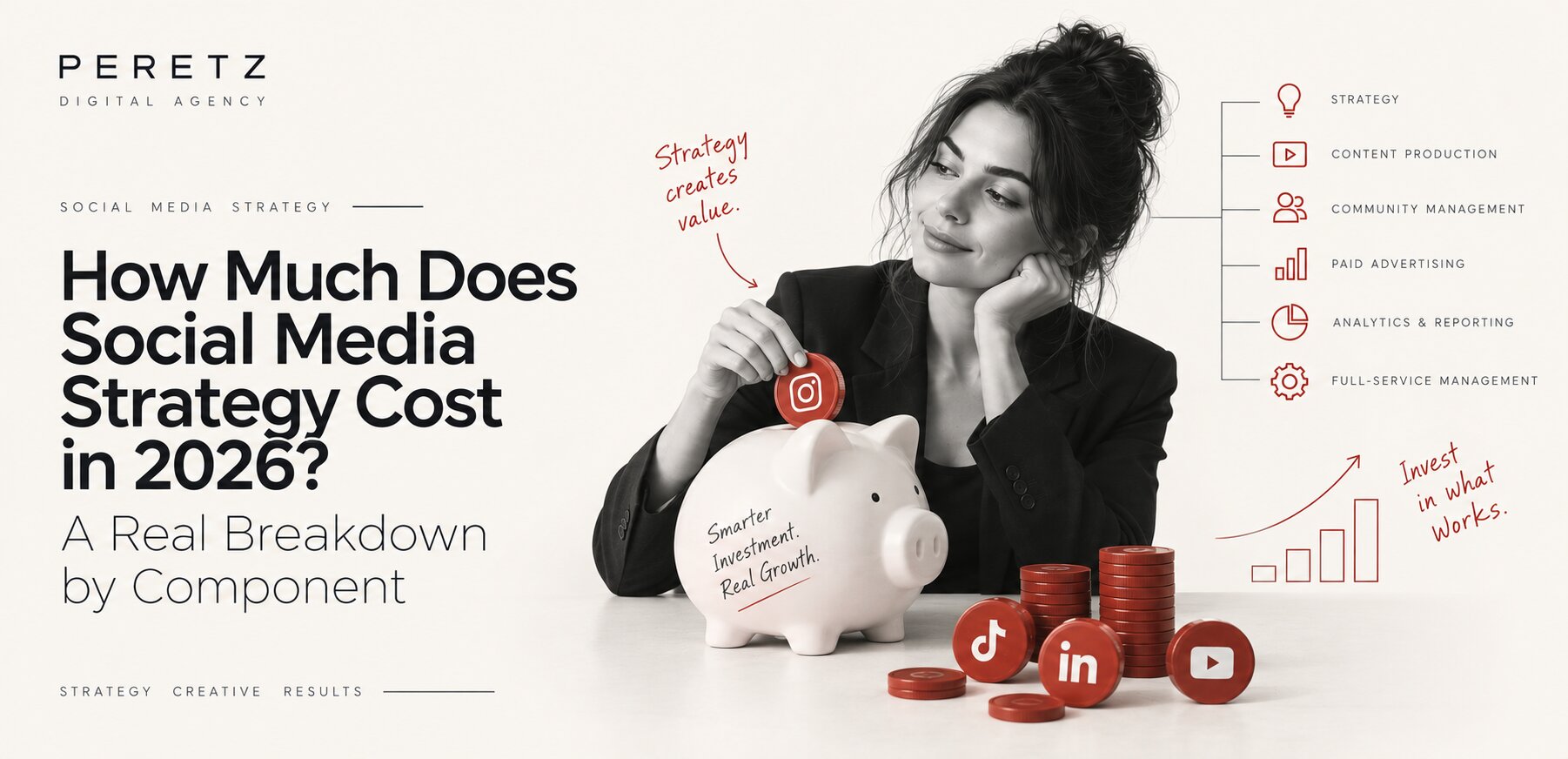
How Much Does Social Media Strategy Cost in 2026? A Real Breakdown by Component
-
08. 09. 2026
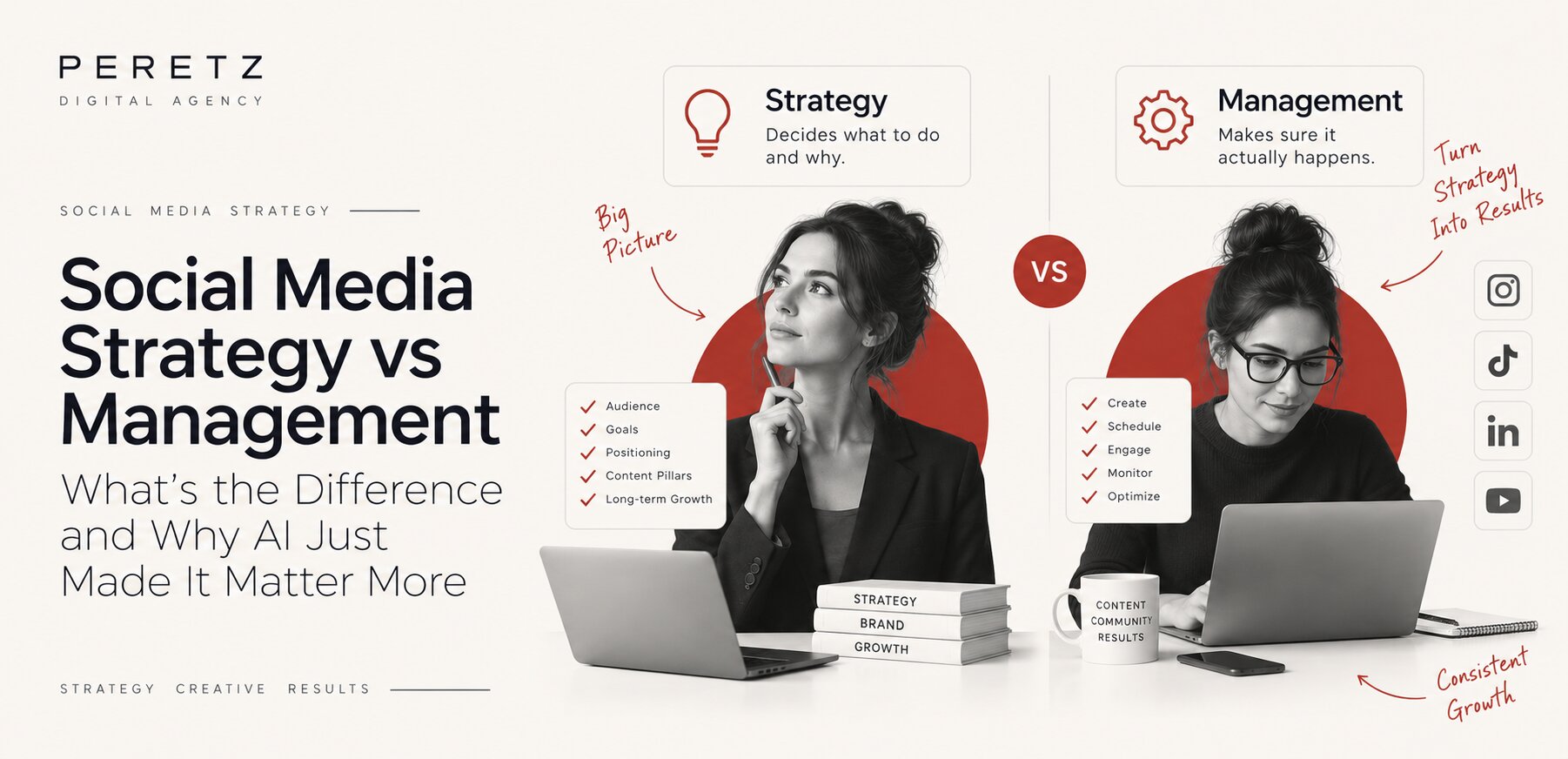
Social Media Strategy vs Social Media Management, What's the Difference and Why AI Just Made It Matter More
-
08. 09. 2026
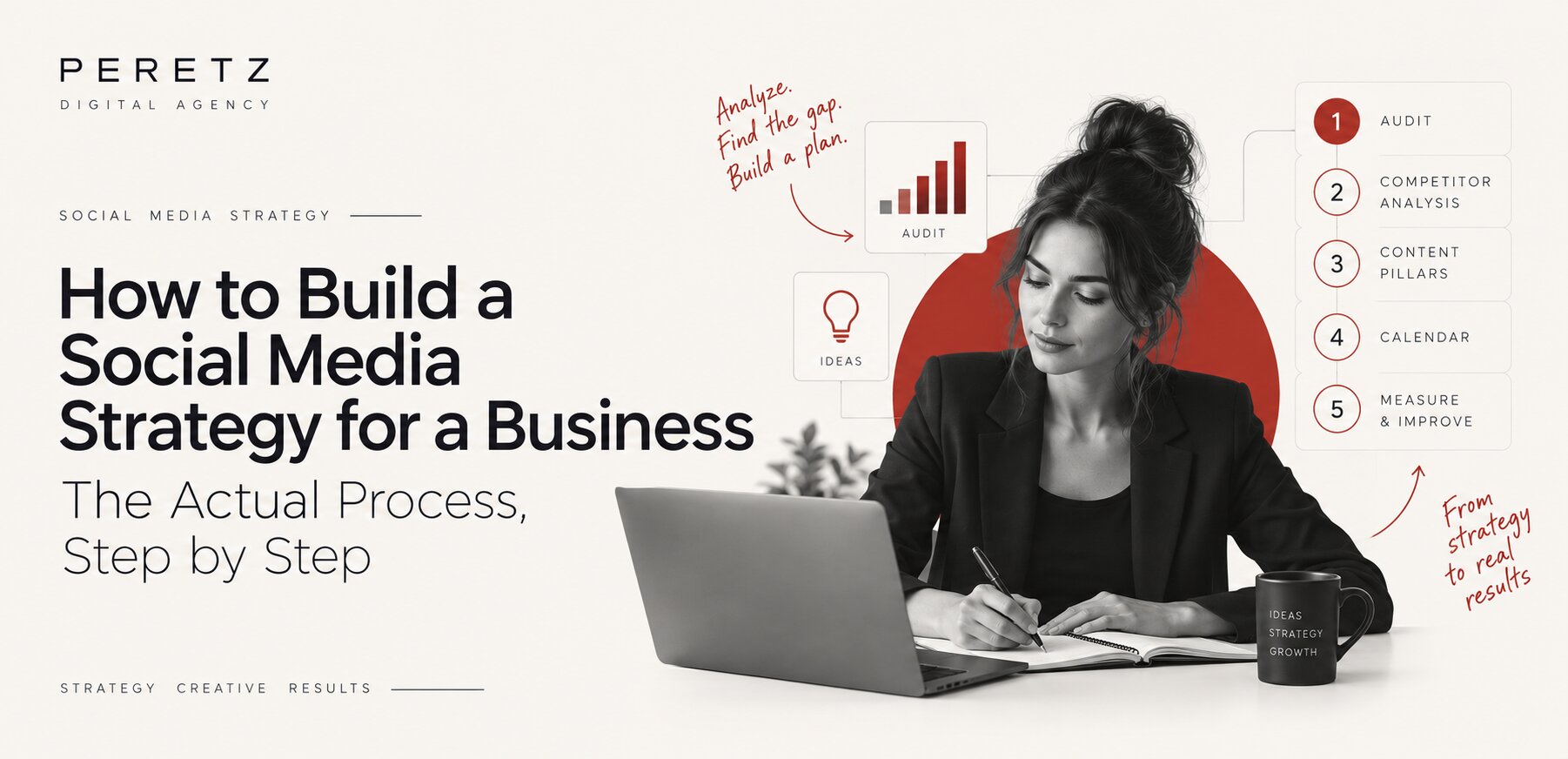
How to Build a Social Media Strategy for a Business, The Actual Process, Step by Step
-
07. 09. 2026
What Is a Social Media Strategy and Why Does a Business Actually Need One?