Type at least 3 letters to search

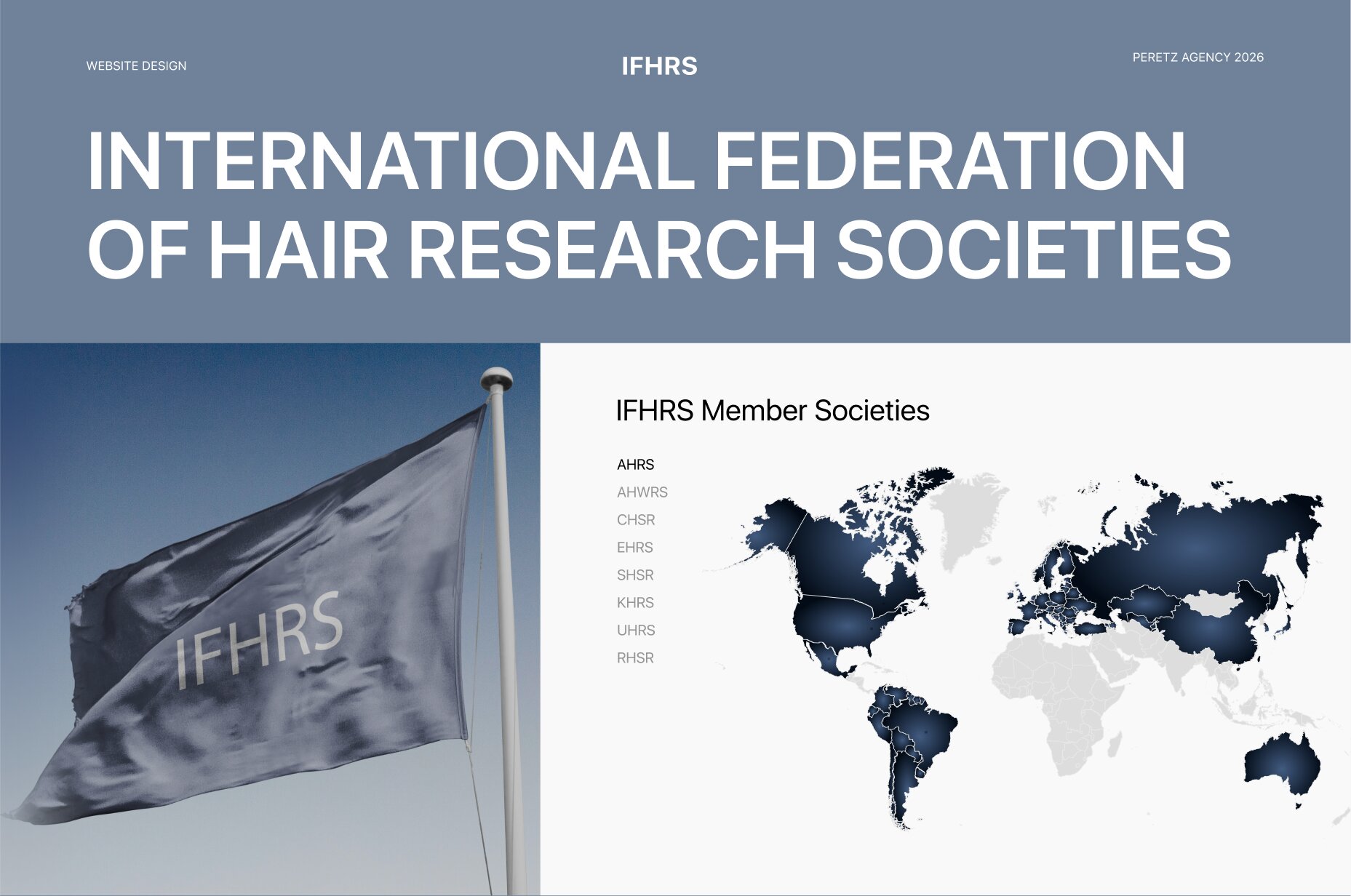
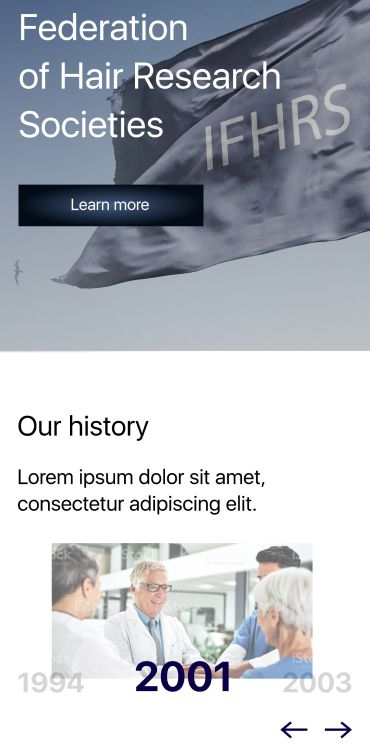
IFHRS flag, International Federation of Hair Research Societies

IFHRS

The International Federation of Hair Research Societies (IFHRS) brings together scientific societies, researchers, clinicians and specialists working in basic and clinical hair science around the world.

When we started working with IFHRS, it was clear this would not be a website for one clinic or one company. It was the digital home of an international scientific community, and it had to bring together societies, people, leadership, congresses, history and ongoing communication without turning the organization into a maze of disconnected pages.

International Federation of Hair Research Societies

From organization to structure

IFHRS was established in 2013, when five major hair research societies joined to form an international federation. Its mission is to advance and share knowledge of hair structure, chemistry and biogenesis in health and disease, and to give scientists, clinicians and specialists around the world an interactive platform (ifhrs.com).

The organization behind that mission is complex. There are member societies, leaders and committees, World Congresses and other events, a history that reaches back decades before the federation itself, and a steady flow of scientific and organizational news. Our job was to turn all of it into one coherent system rather than a collection of pages.

Design and development

We handled the project end to end, from information architecture and UX/UI design to custom Laravel development. Laravel was a deliberate choice. A federation needs content that relates to other content, societies to countries, people to roles, congresses to years, and a set of static corporate pages cannot hold those relationships.

The interface was built around clarity and hierarchy, with as little visual noise as possible. The science, the people, the societies and the history already carry the authority; the site only had to let them speak, without manufacturing credibility through effects.

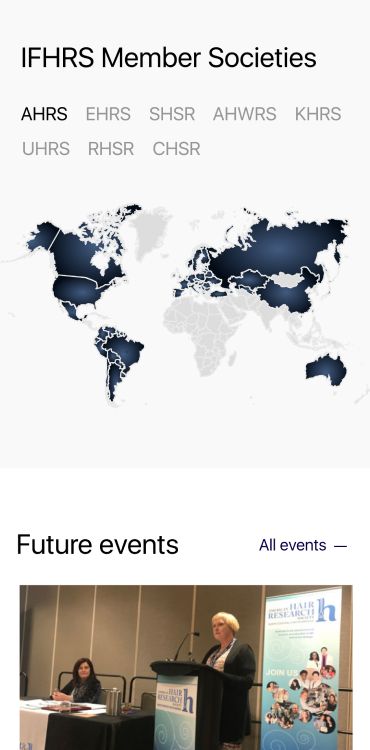
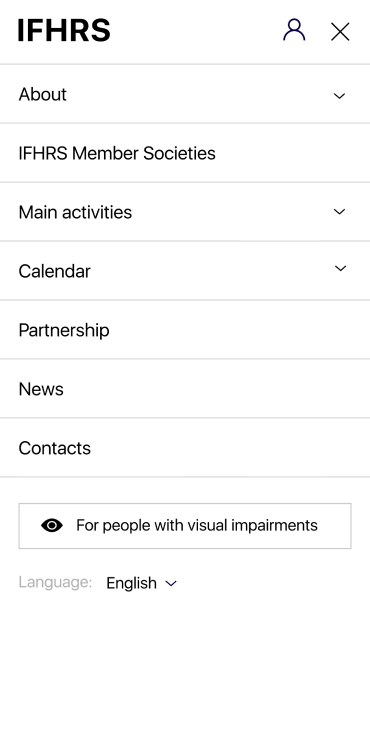
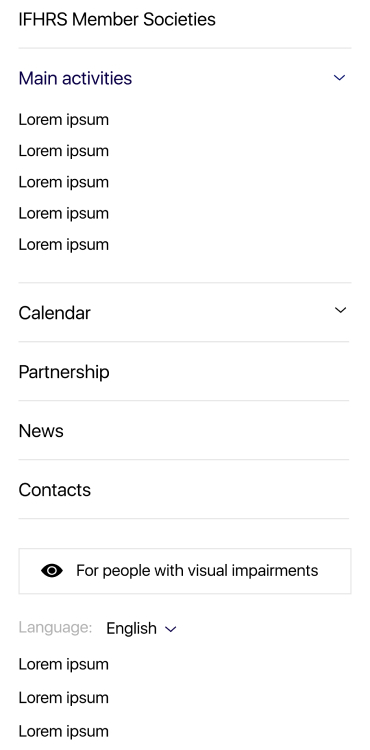
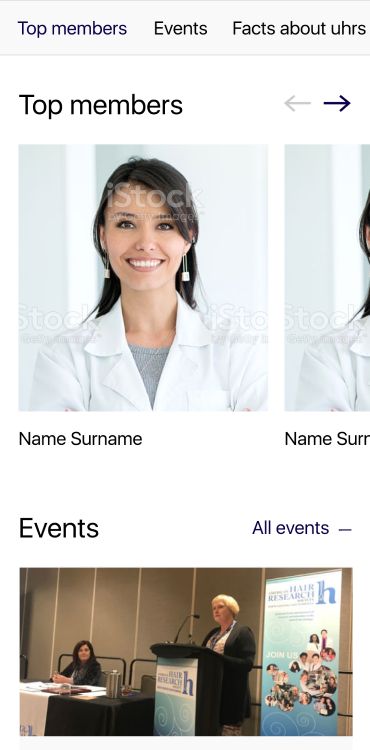
The platform grew to more than 18 page templates, every one of them designed for desktop and mobile. Each member society has its own page with its leaders, events and key facts, and the home page opens with a map of the member societies around the world. The site has a mode for people with visual impairments, a members' login and a language switcher, because an international federation is used by people who read it in different languages and in different ways.

IFHRS website: home page with the map of member societies

Making the network understandable

The central challenge was to show how IFHRS relates to its member societies. The site had to answer simple questions quickly: what IFHRS is, who belongs to it and who leads it, where the member societies are, which congresses have taken place and what comes next.

Those questions are simple until an organization has several societies, countries, leadership structures and decades of history behind it. Information architecture therefore became the core of the project. We designed the site around those relationships instead of treating each section as an isolated page.

A living archive of the field

The website also became a place to preserve the history of international hair research. Its history section traces how the major hair research societies and their international meetings led to the federation in 2013, and the congress archive carries that story forward.

For a scientific organization, history establishes continuity. The people, societies and congresses that came before are part of who the organization is today, so the site had to work as a current communications platform and as a living archive at the same time.

A change of hands

Later the platform moved to another team and was migrated to WordPress. Along the way parts of the original structure and experience changed, and over the years the site drifted away from the system we had designed.

This happens in real projects more often than anyone plans for. A platform can be moved from one technology to another and gradually lose the logic that made it work, because a migration changes the technology while the product only improves if someone protects what worked before. We have written about what usually gets lost in such moves in the migration checklist most agencies skip, and about why a site's problems start long before a developer leaves in Your Website Doesn't Fail When Your Developer Leaves.

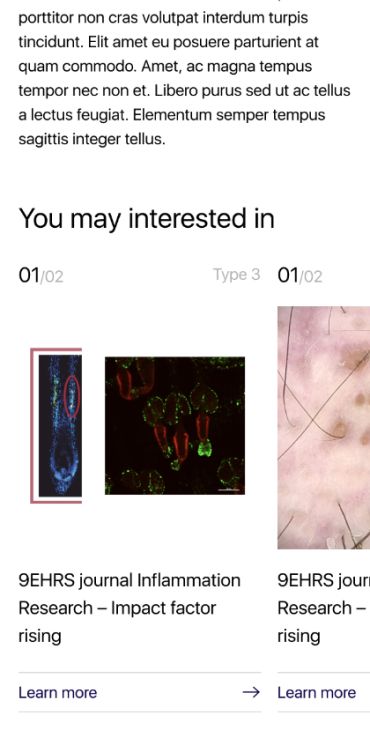
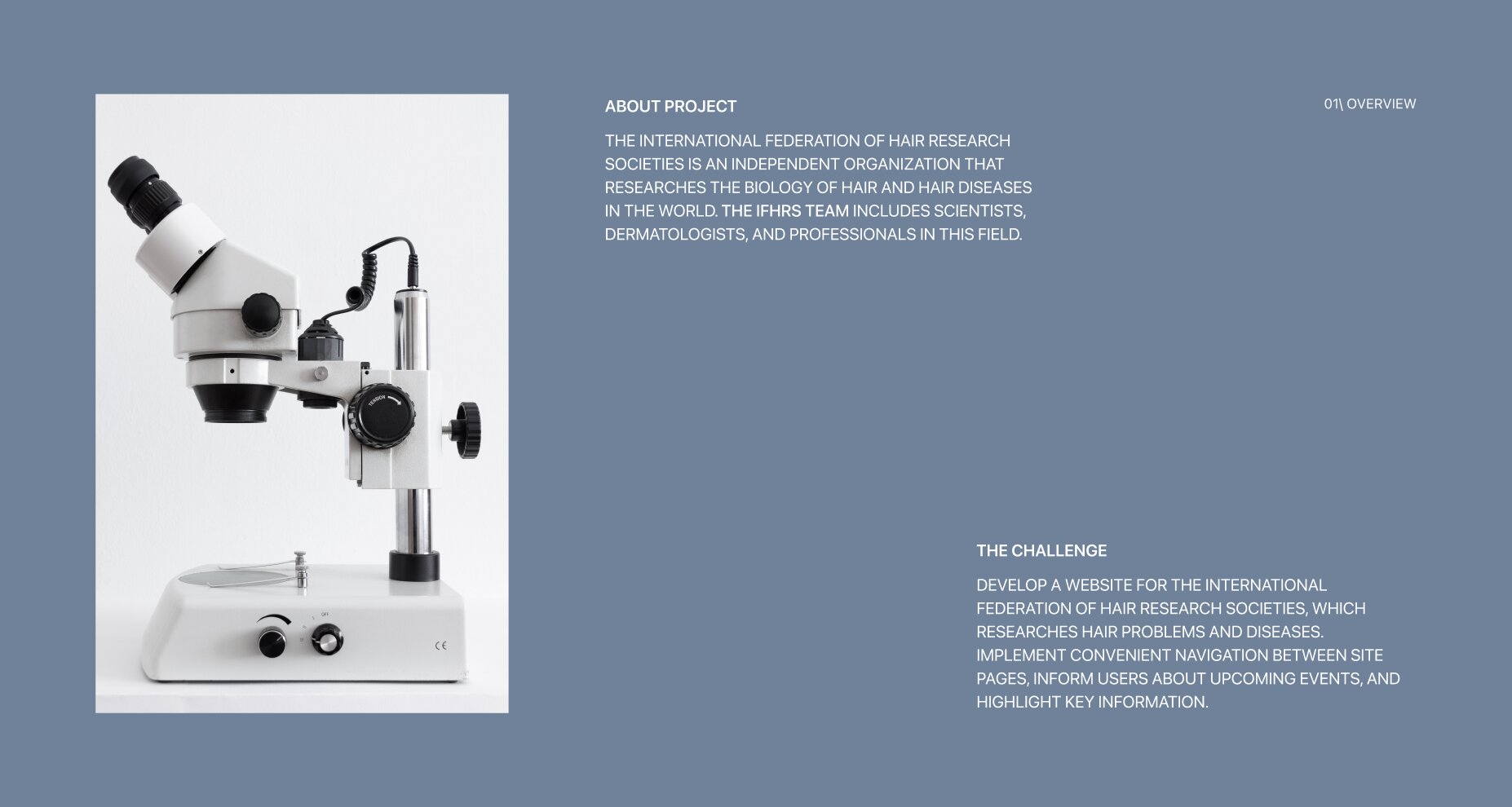
IFHRS project overview: the federation and the challenge
A network of hair research societies, IFHRS visual concept
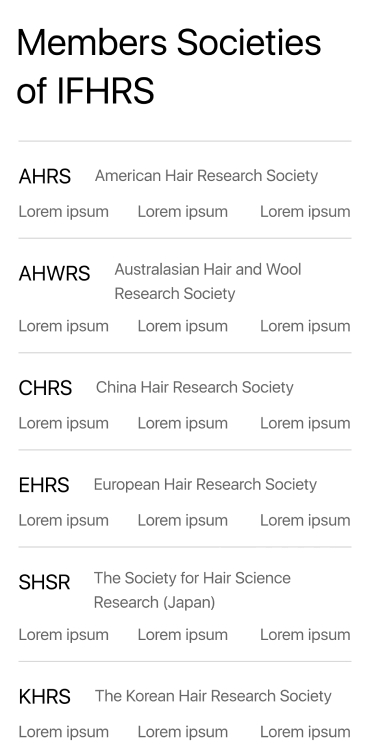
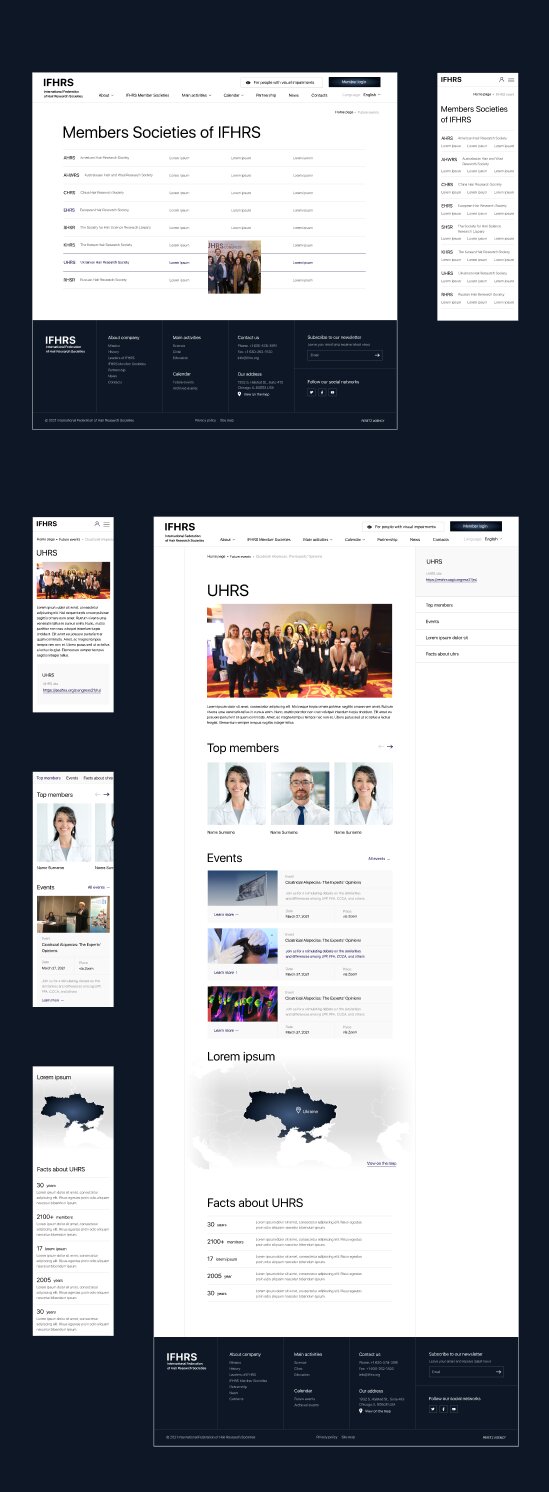
IFHRS member societies list and a member society page
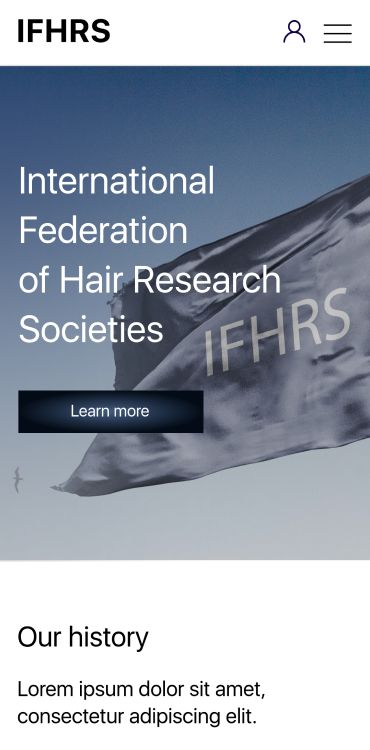
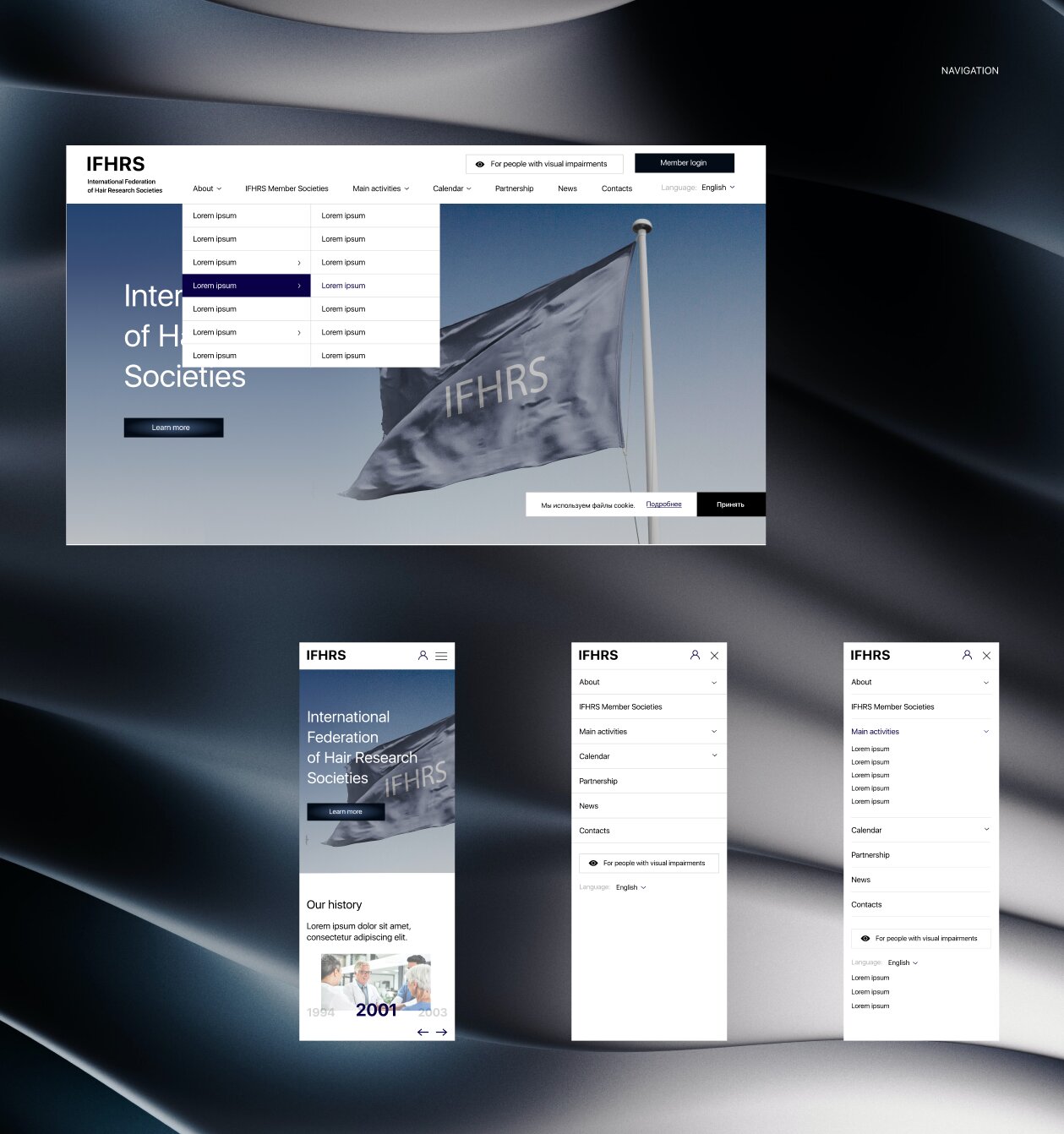
IFHRS website navigation on desktop and mobile
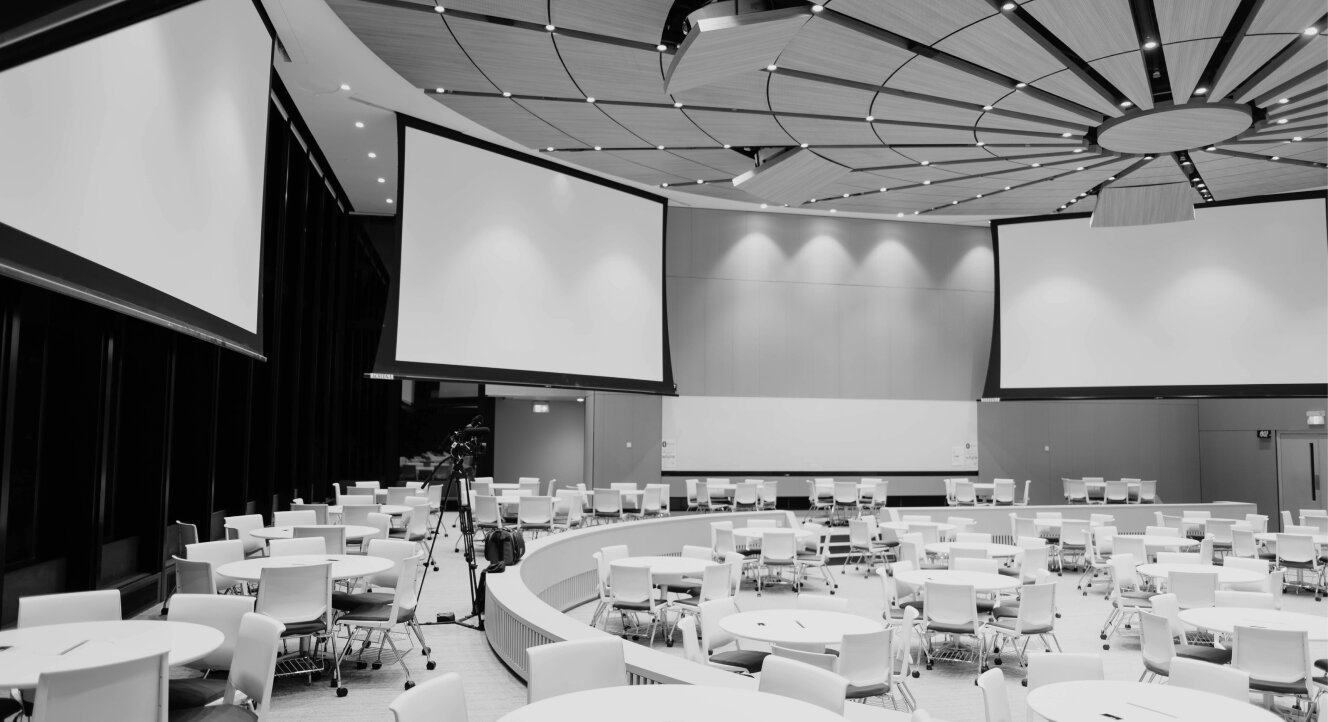
Congress hall, visual for IFHRS events
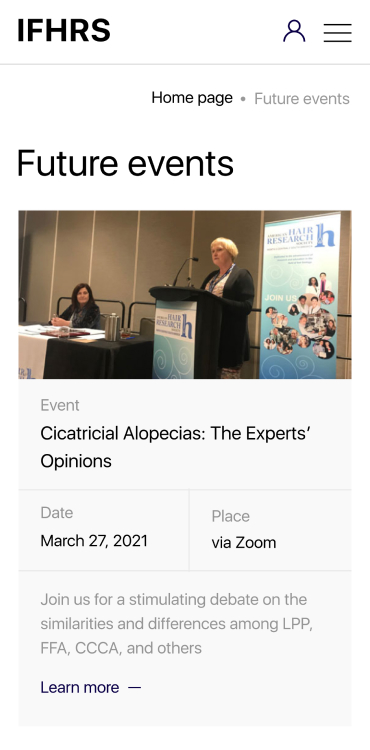
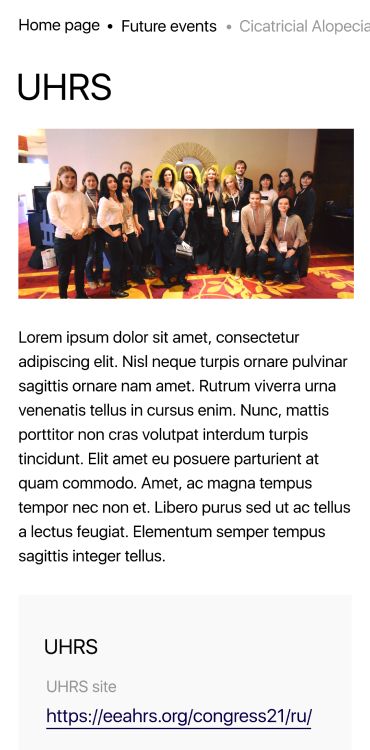
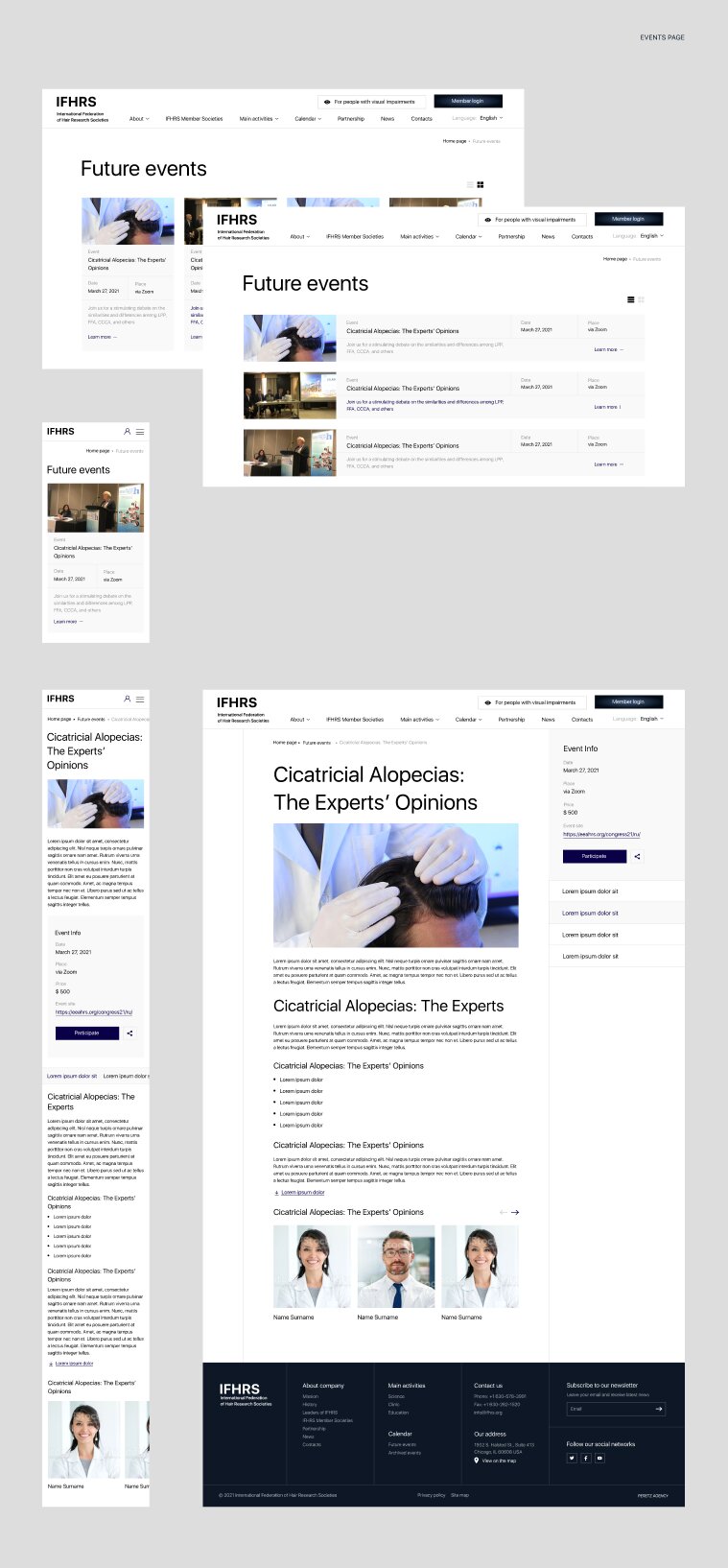
IFHRS events: future events list and event page
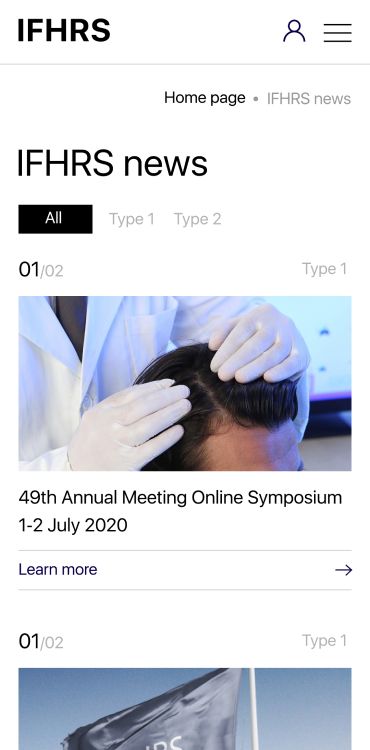
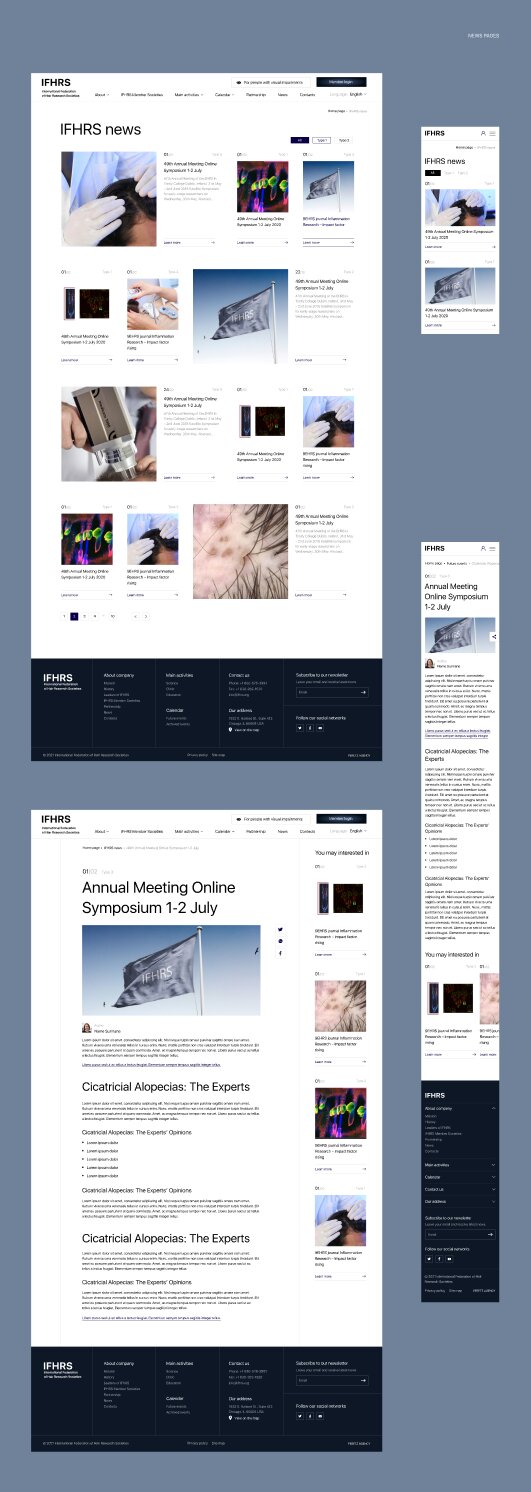
IFHRS news list and news article page
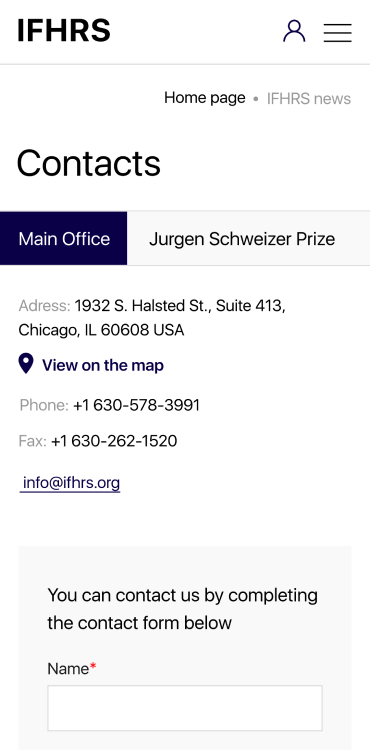
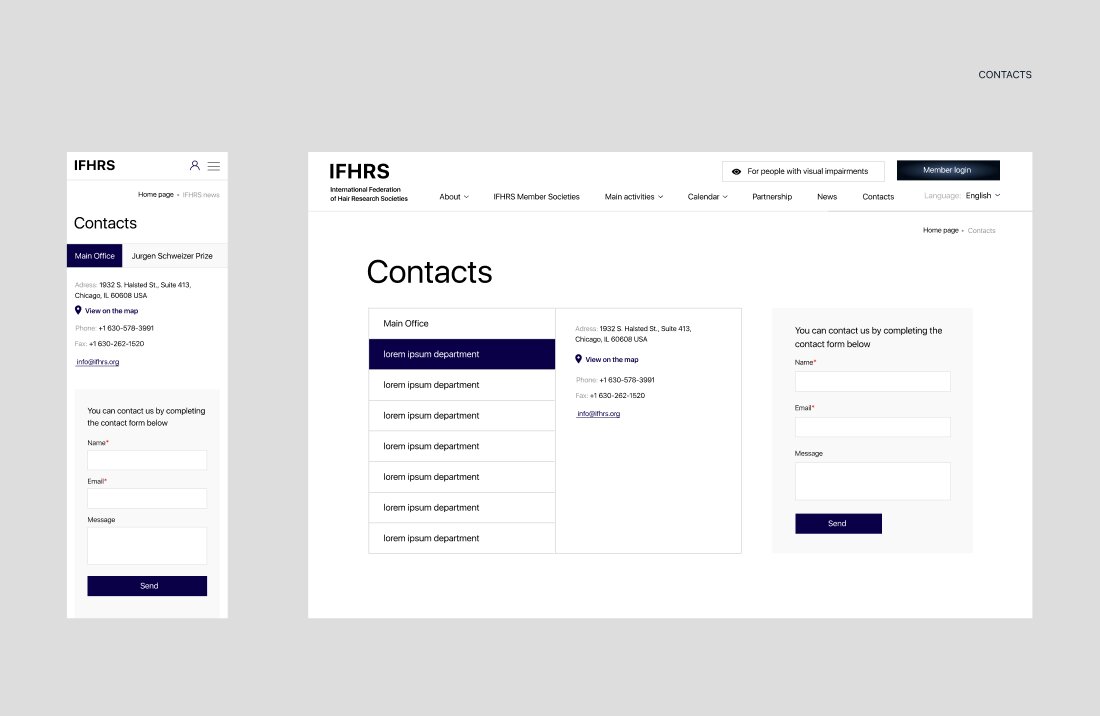
IFHRS contacts page with the contact form
IFHRS website in numbers: over 18 pages, responsive design, ready-made platform

What we learned

The cheapest initial decision is not always the cheapest over the life of a website. A custom system costs more to build, a familiar CMS looks cheaper to maintain, and a migration can look like a practical shortcut. When the architecture is simplified in the wrong places or the original logic gets lost, an organization can end up paying to rebuild what it already had.

Sometimes "cheaper" simply means that someone else will eventually have to finish the job. That is why we ask not only what a website costs to build, but what it will cost to own, a question we take apart in How Much Does a Custom Website Cost.

Back on the project

IFHRS has come back to us, and we are now fixing and supporting the platform. That gives us an unusual advantage: we know both its history and its original architecture, why certain decisions were made and what the system was designed to do, and we can look at the current platform with fresh eyes. One of the first steps was documenting the current codebase for AI-assisted development with an AGENTS.md file, an approach we describe in A Codebase Manual for AI.

We are not starting by asking what to redesign. We start with what is actually there: what still works, what has changed, what can be improved, what should be rebuilt and what should be left alone. The answer may be modernizing the code, restructuring parts of the interface, rebuilding the platform, or a combination of the three. It should come from the organization, its users and the system itself, as we explain in Do You Need a Website Redesign?

What we did

Industry: scientific research, healthcare, international organizations. Status: originally built by Peretz Agency, now back with us for fixes, support and modernization. Related project: the Institute of Trichology website.