A digital ecosystem is a set of connected products: a website, mobile apps, a CRM, delivery and loyalty tools that share one customer base and one set of data. This page shows how PERETZ plans such systems, with the LavShash project as a worked example, and how a project like this runs.
Most companies add digital tools one at a time: a website first, then an app from another contractor, then a CRM, then delivery through a third-party platform. Each tool works, but customer data is split, orders are entered twice and the brand looks different in every channel. An ecosystem is planned the other way around: start from business processes and the customer journey, then decide which products are needed and how they exchange data.
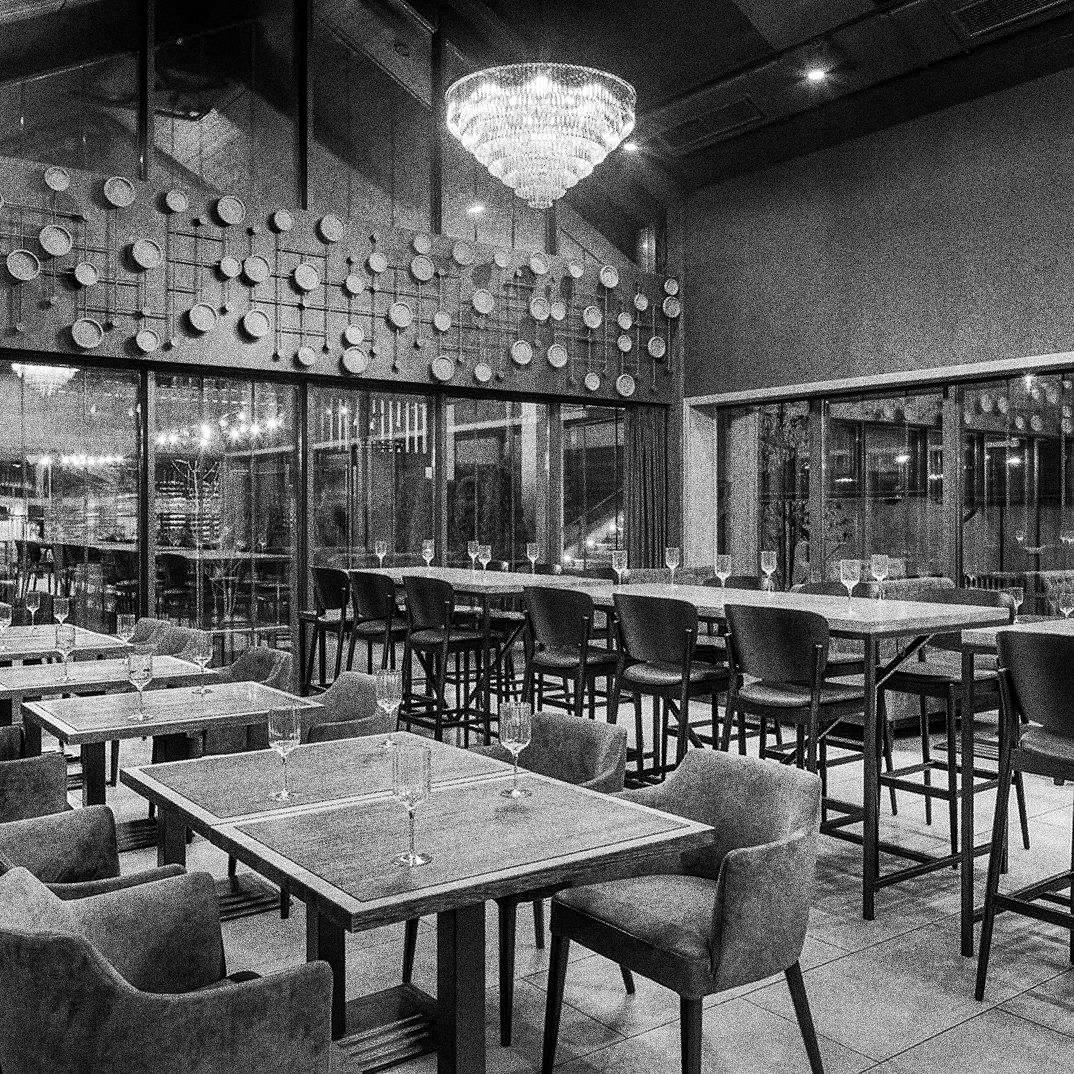
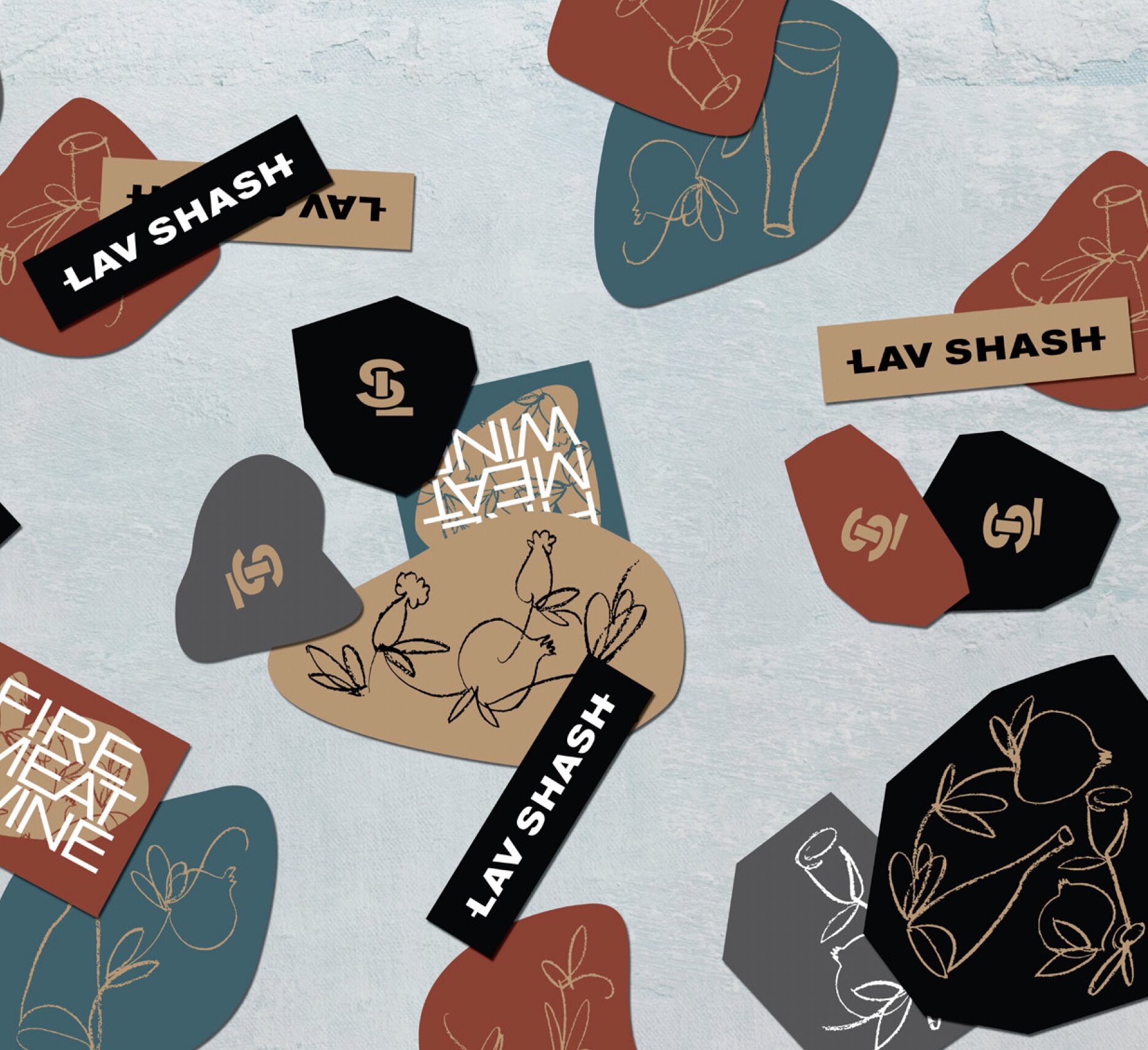
LavShash brought three businesses under one brand: a restaurant, a gastro market and native delivery apps. Instead of three separate websites, we designed them as one digital ecosystem where each part supports the others. The project was paused by the war, but the concept remains, and it shows how a restaurant or food business can plan its digital products as one system from day one.
Every project has a client portal with tasks, files and progress. PERETZ is led from the Seattle area, and our engineering team works remotely, with 20 years of experience and 127 delivered projects in 12 countries.
If you are planning several connected products, these pages describe each part in detail: mobile app development, CRM development, business digitalization and ERP development.
How is a digital ecosystem different from a website with an app?
A website and an app built separately often keep separate customer and order databases. In an ecosystem they share one CRM, one catalog and one customer profile, so a customer who orders in the app is recognized on the website and in loyalty offers.
Do we have to build the whole ecosystem at once?
No. We plan the full architecture first, then build in stages, usually starting with the part that brings revenue or removes the most manual work. Later modules connect to what is already running.
Which businesses benefit most from a digital ecosystem?
Companies with several sales channels or business lines under one brand: restaurants with delivery, retailers with an online store and physical locations, service companies with repeat clients. LavShash, with its restaurant, gastro market and delivery apps, is a typical example.
The ecosystem approach suits restaurants, retailers and service companies in the Seattle area that already run several digital tools and keep entering the same data twice. PERETZ maps your processes first, then decides which products to connect and in what order, and builds them in stages on Laravel. See CRM development and mobile app development for the individual parts, or start with a strategic session, which costs $500 and counts toward the project.