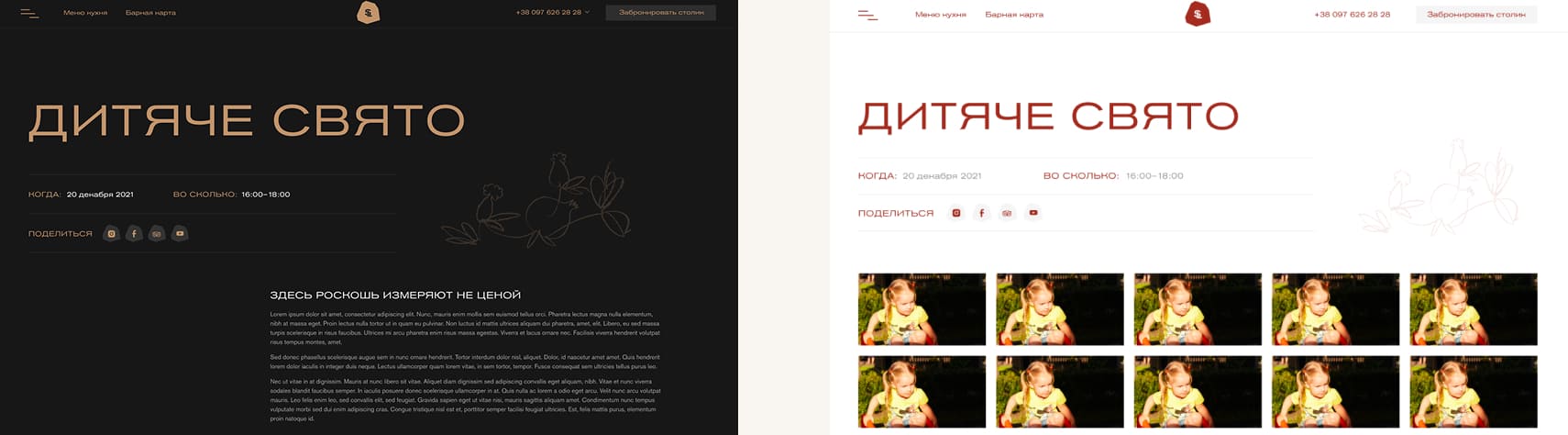
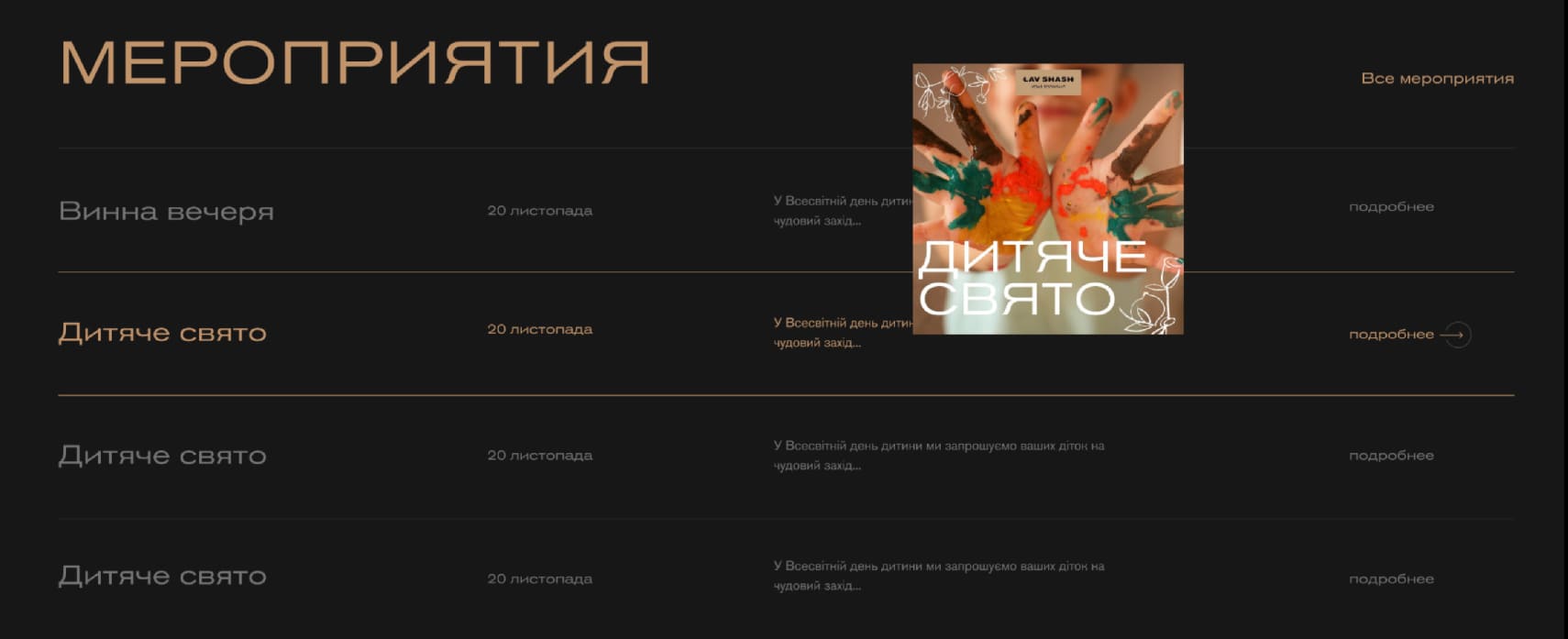
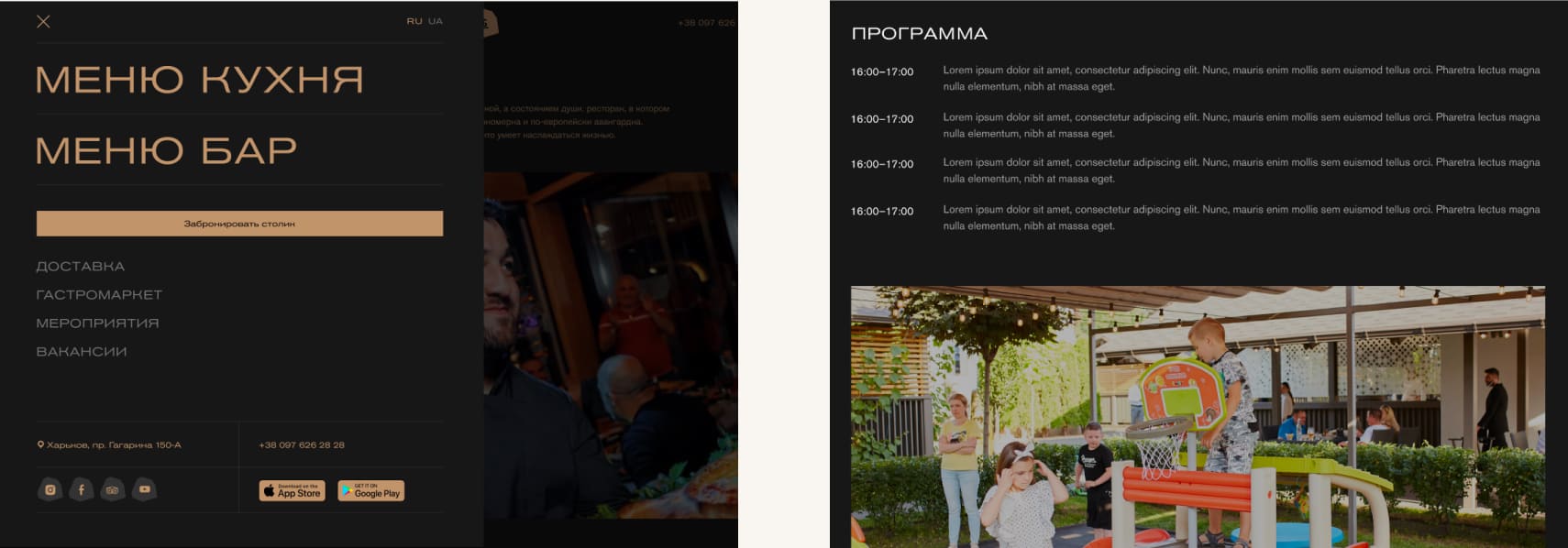
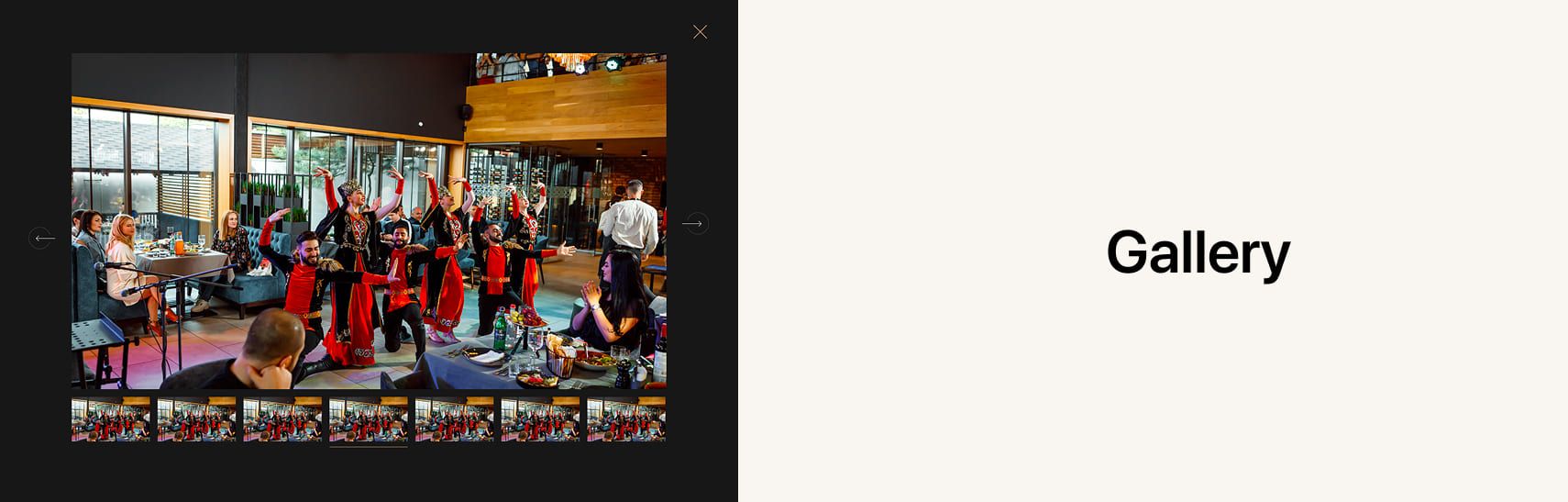
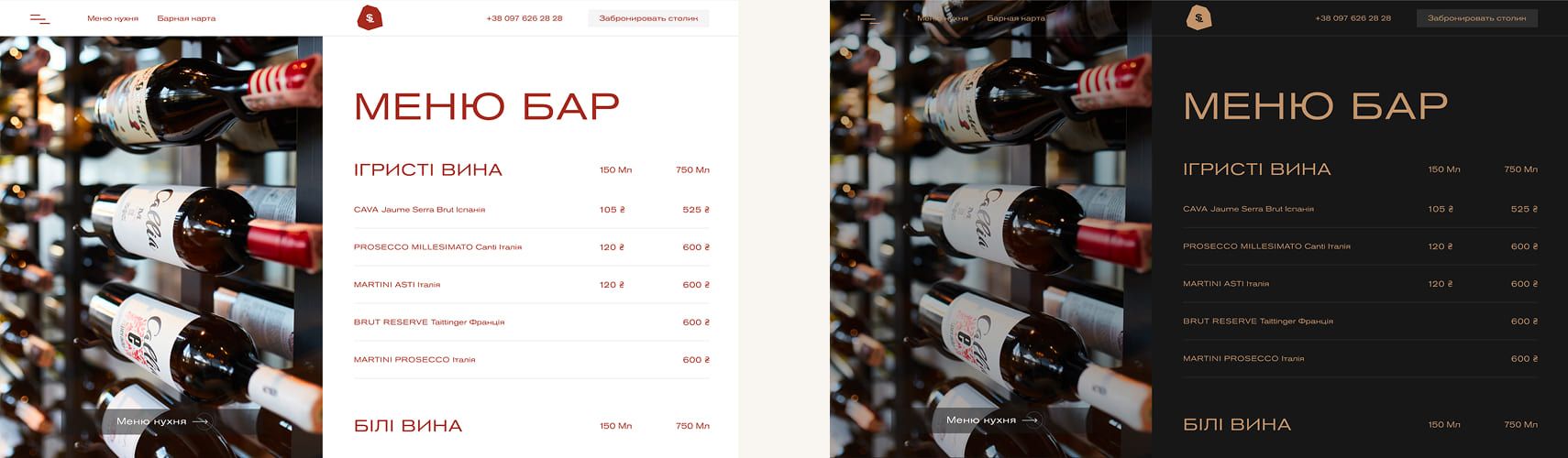
Three products. One experience. The project's architecture rested on three main directions. It's the same principle we later wrote about more broadly in Most Companies Don't Need a New Website. They Need a New Structure.
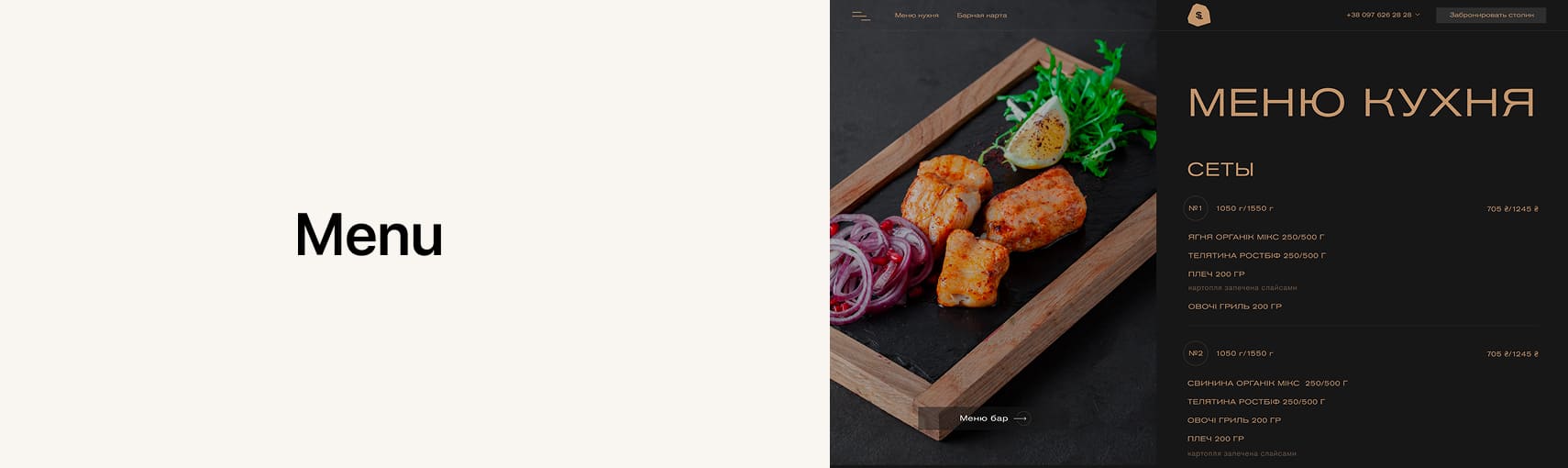
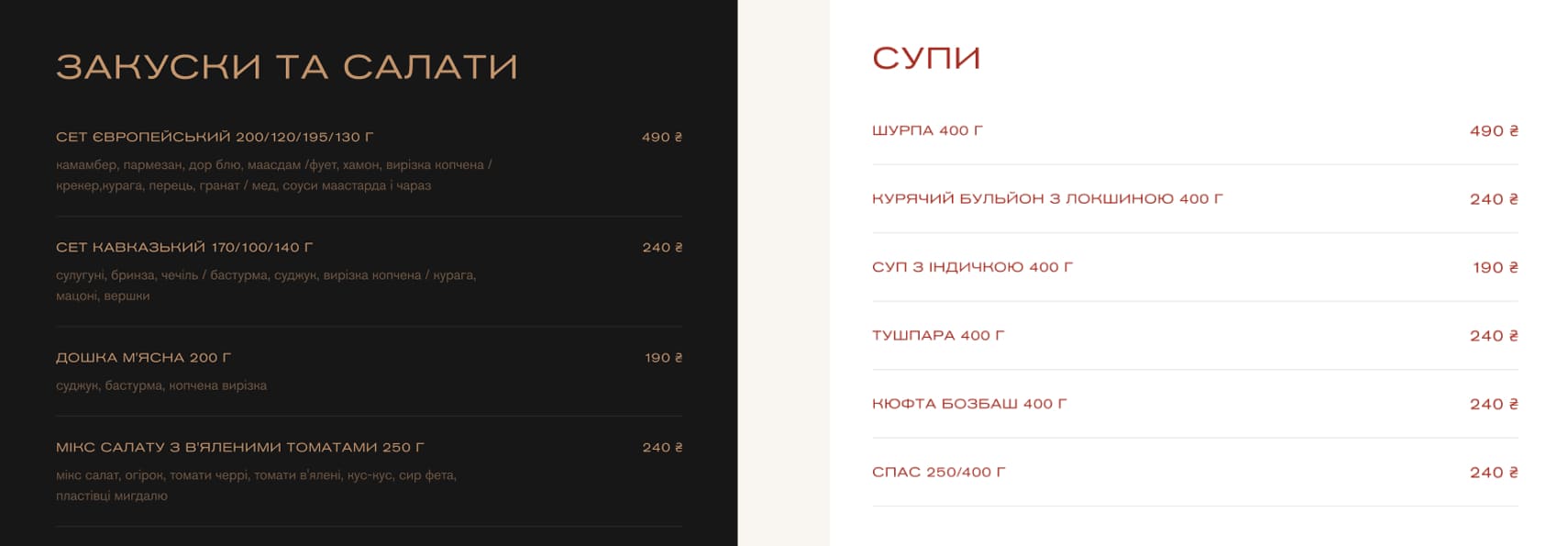
Gastro Market. Modest in business scale, but a genuinely full e-commerce experience, with a catalog of roughly 2,000–3,000 products. Categories, search, filtering, product cards, cart, checkout, and all the core mechanics of an online store. This was a self-contained shopping experience, not a separate website.
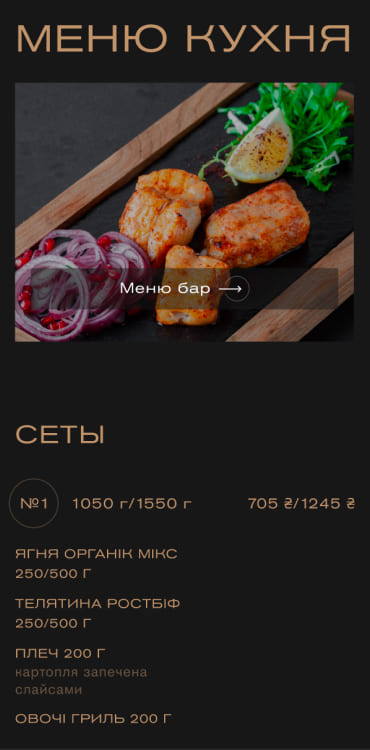
Delivery. The second direction, the brand's own delivery service. This was never just a menu page with a phone number. We designed a full delivery service: a website plus native iOS and Android apps. A user needed to be able to choose dishes, place an order, and interact with the service whether they were currently at the restaurant or at home.
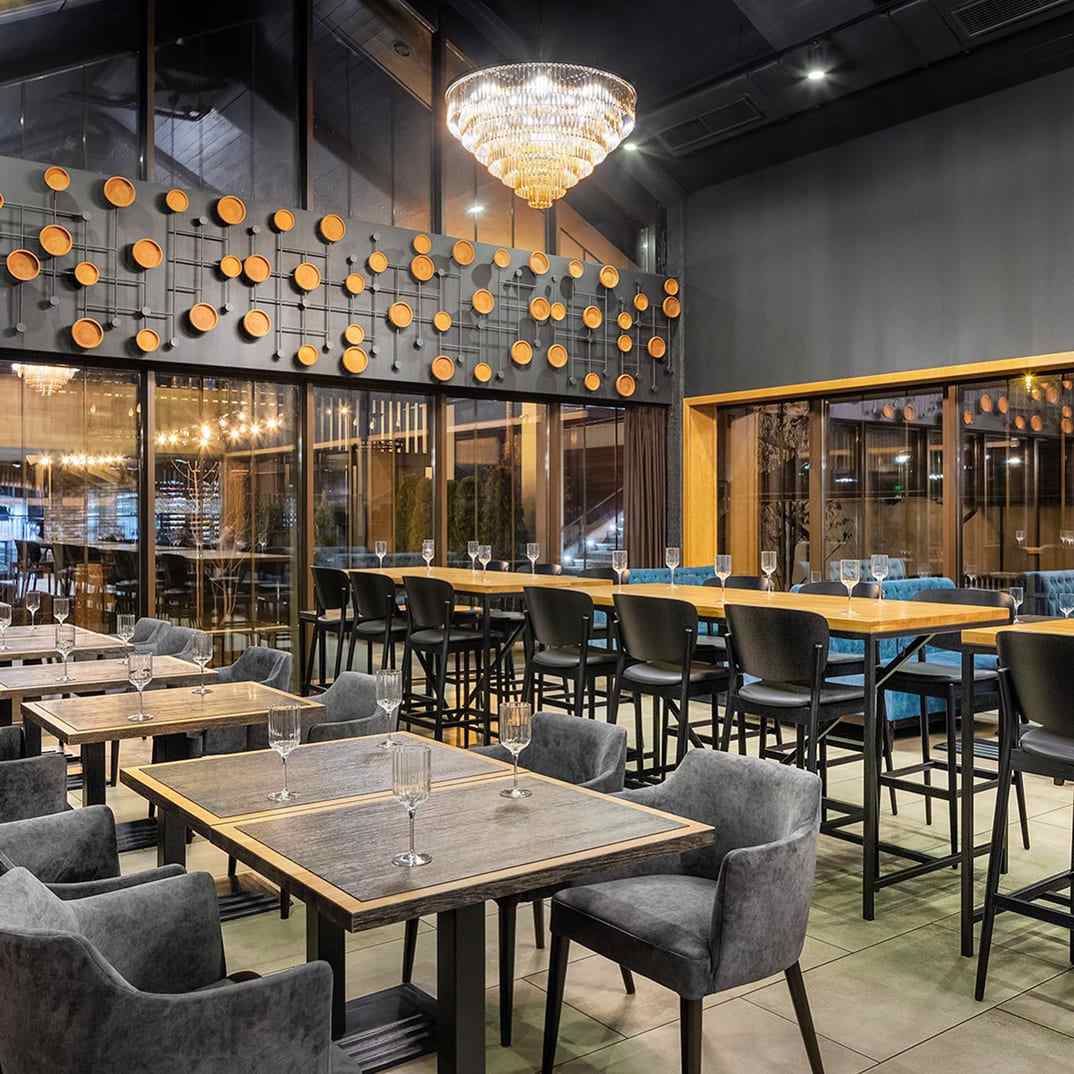
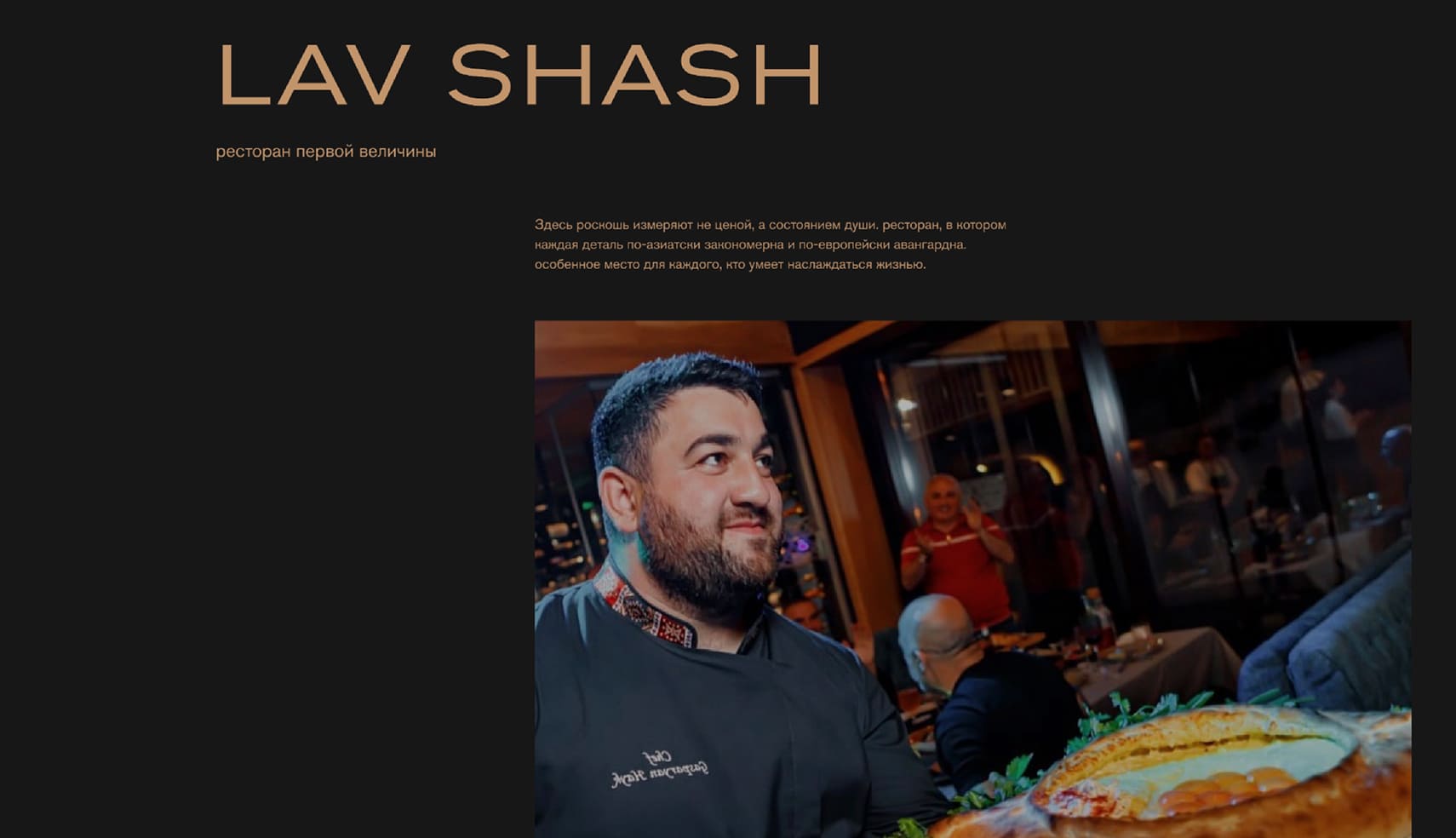
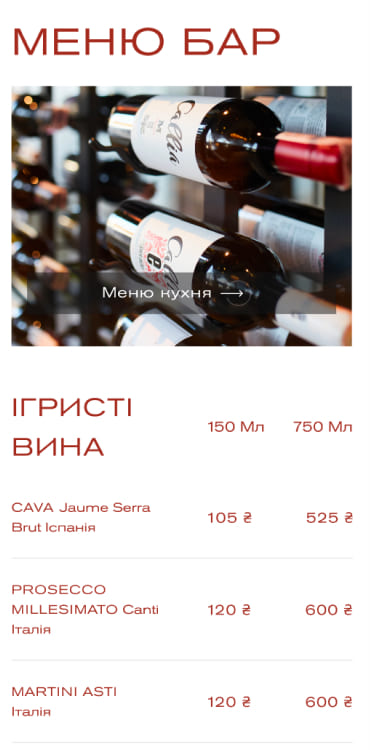
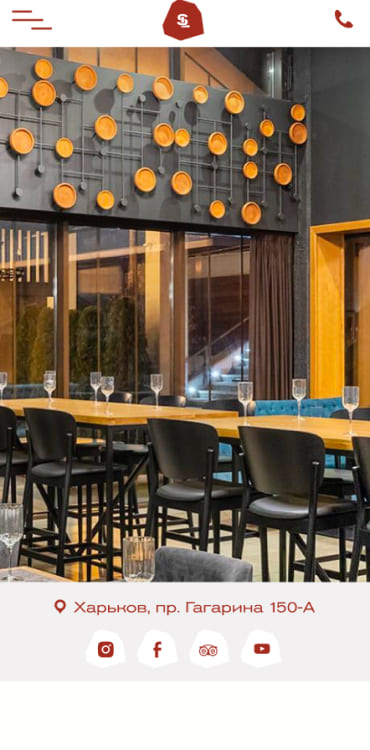
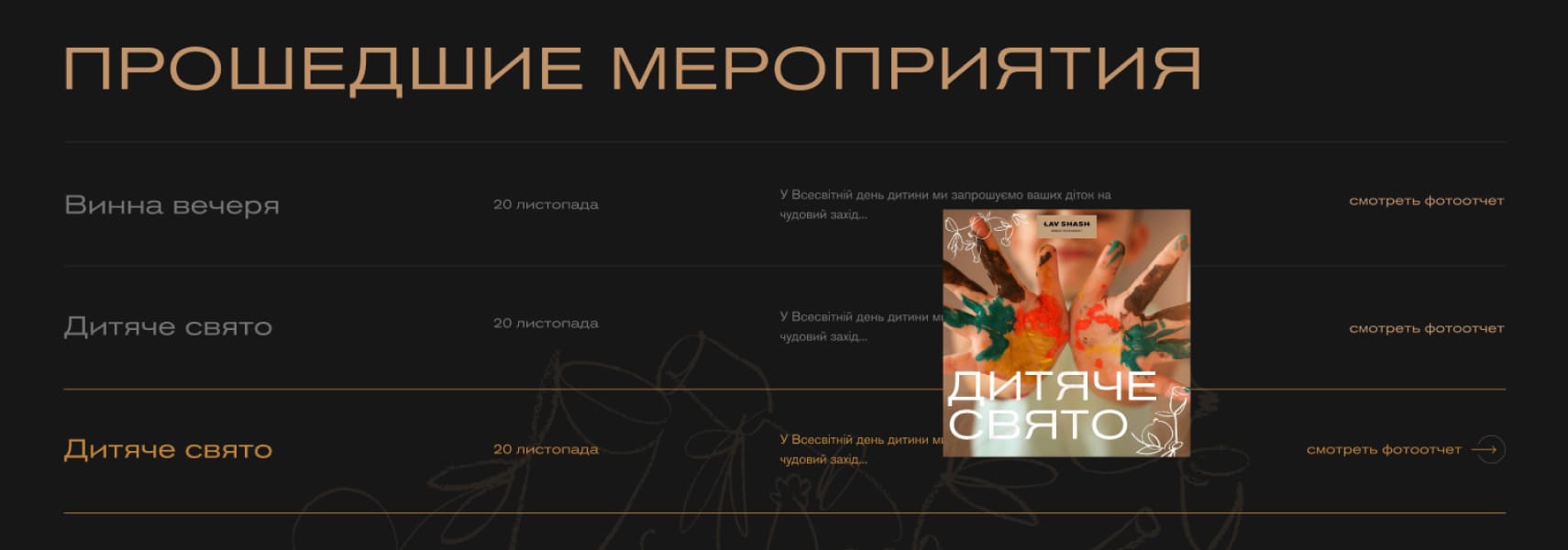
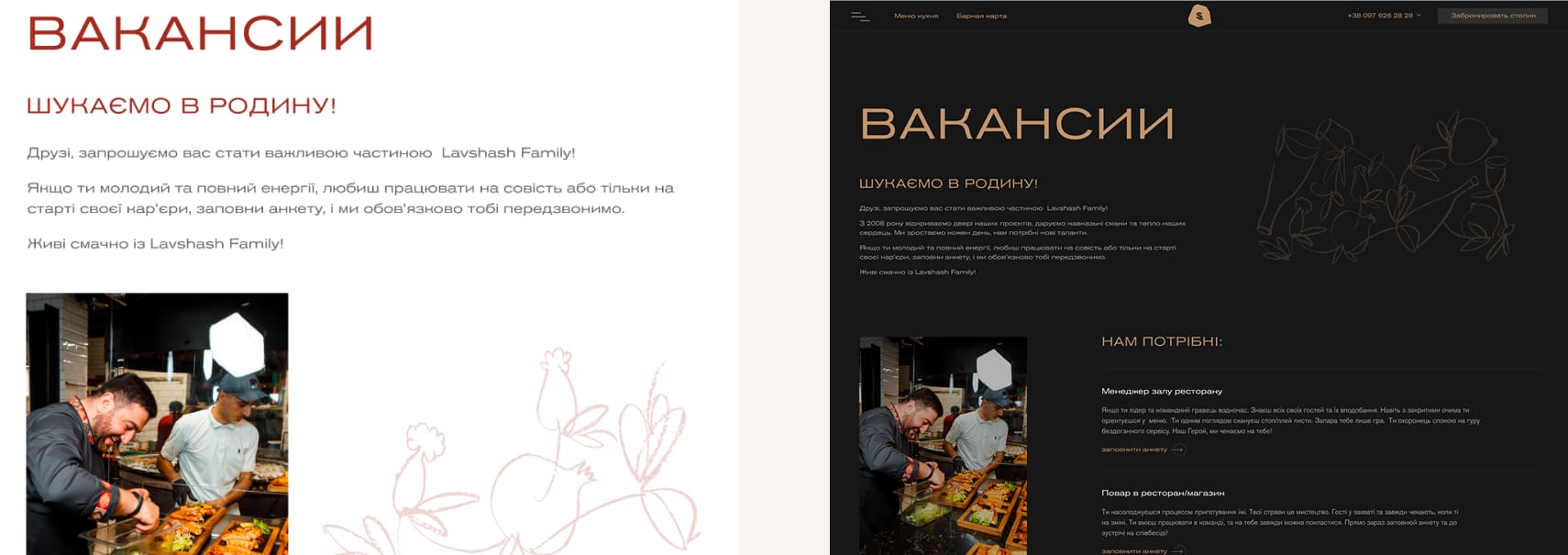
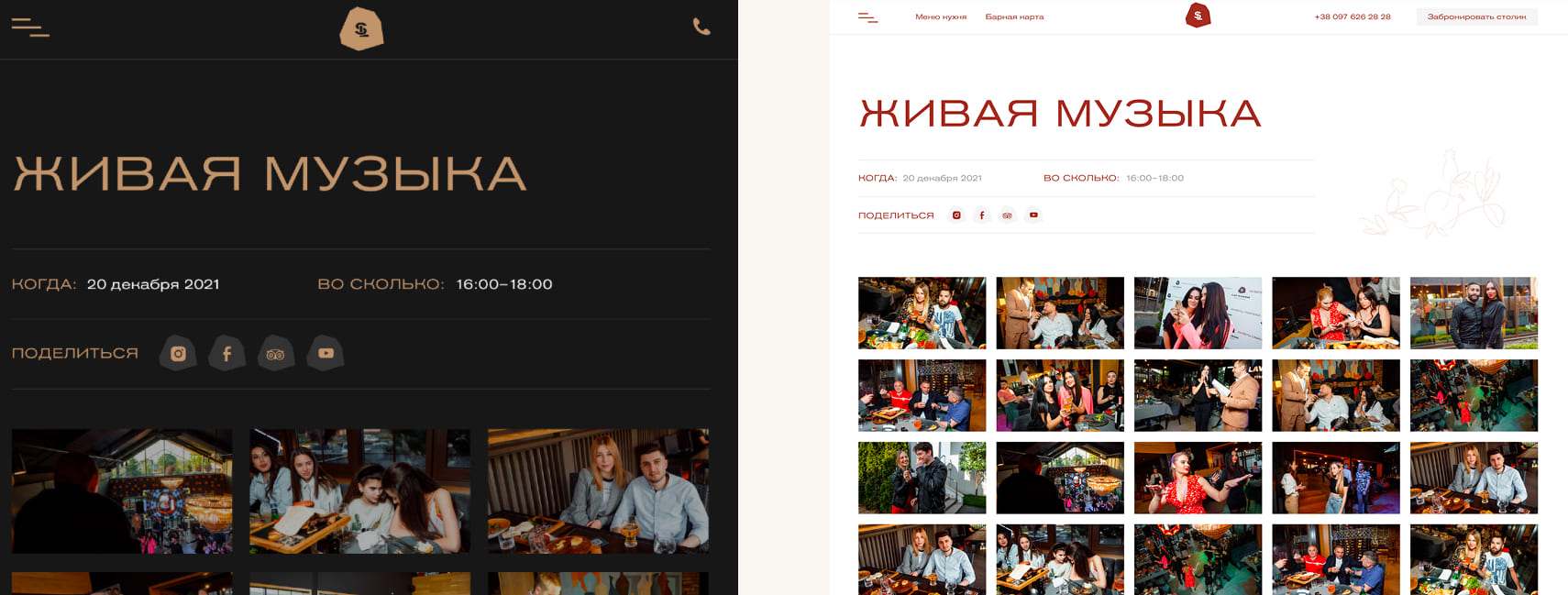
Restaurant. The third piece, the restaurant itself. Here the task was completely different. If the gastro market needed to sell, and delivery needed to make ordering effortless, the restaurant side had to carry the actual feeling of LavShash.
A place you want to visit. Eat. Stay. Come back to.
Built around a real product. This project had another advantage.
Behind the interface was a product people genuinely loved.
LavShash was known for its kitchen, and some of the dishes we still remember today, no marketing language required to make the point.
A soup with small dumplings. Shashlik.
These are exactly the things that make a digital project actually meaningful.
You can design a perfect checkout. You can build a sophisticated catalog. You can ship a beautiful app.
But in the end, people don't come back for the interface.
They come back for what they genuinely love.
From Figma to code. The project got quite far.
After the design phase, we moved into development, and most of the architecture was already prepared for implementation.
Then the full-scale war began, and work on the project stopped.
At that point, LavShash was left somewhere between design and a finished product.
But the concept itself survived.
And today the project still exists as work we would like to finish one day.
Not because we need to close an old line item in a portfolio. Because the idea itself was right.
One business, not three websites. LavShash became, for us, a good example of how we approach digital products in general.
When a business has several directions, the easiest path is a separate site for each one.
We prefer to look at the business as a whole first. To understand where the products are genuinely different, and where they are actually parts of the same system. Only after that do we start designing interfaces.
It is the same discipline behind how this partnership approached a very different business in Building the Next Century: PERETZ Begins the Digital Transformation of Schoeffel.
In LavShash, we brought restaurant, e-commerce, and delivery together into one digital ecosystem, with distinct scenarios, dedicated interfaces, and native mobile apps, but with shared architecture and one unified user experience.
That, not the page count or the technology stack, was the real product decision behind this project.
The homepage wasn't the destination. One of the most important decisions was the entry logic into the system itself.
We didn't treat the homepage as the required entry point.
A person might be searching for a specific product, a dish, delivery, or the restaurant itself. So search traffic needed to land directly in the relevant part of the product.
Searching for a product landed you in Gastro Market. Searching for delivery landed you in Delivery. Searching for the restaurant landed you in Restaurant.
From there, the user stayed inside the same ecosystem.
This let us reconcile two things that often conflict with each other: deep specialization within each section, and coherence as a single product.
The digital ecosystem. The end result was meant to feel less like a collection of connected websites and more like one unified system. That gap between "technically solves it" and "actually works as digitalization" is exactly what we unpack in Business Process Automation: What Digitalization Actually Means.
The user experienced one brand and one overall digital experience. But underneath it, different scenarios existed: Shop. Order. Visit.
Each of them had its own interface logic.
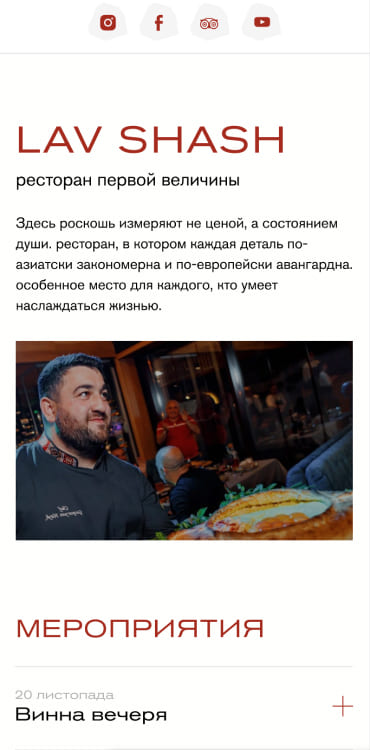
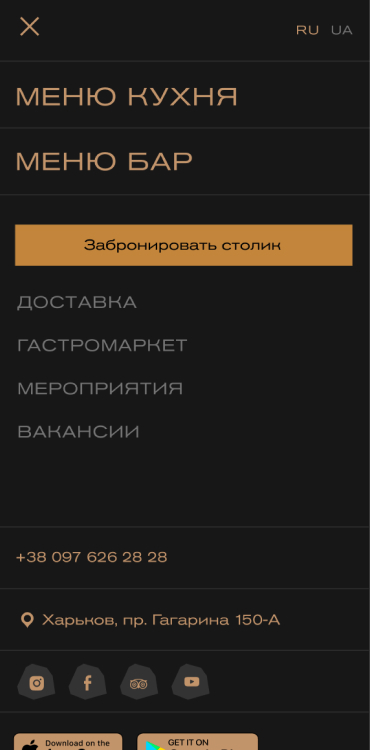
This mattered especially on mobile. Delivery was never meant to feel like a mobile version of the restaurant's website. That's why it was designed as separate, dedicated iOS and Android apps.
The LavShash store had first been built on Magento by a previous contractor. Why we rebuilt it on Laravel around the business rules, and what that saved in the first year, is in the article Leaving Magento in 2026: Upgrade, Shopify Plus or Custom Laravel?