

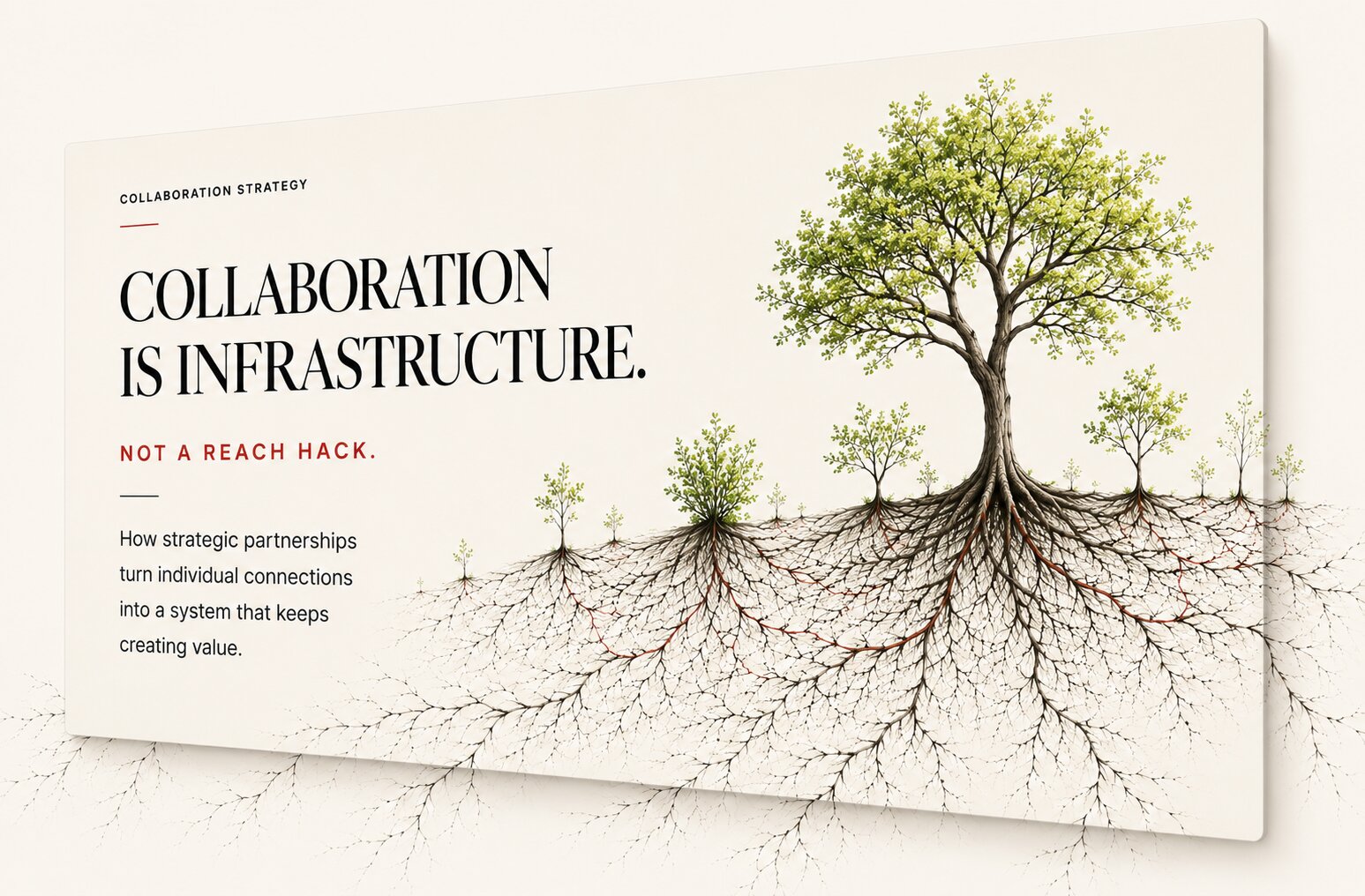
Collaborations are infrastructure, not a reach hack.
Fifteen Leads, Not Two
Fifteen Leads, Not Two
A car dealership client for a major brand had everything people usually mean by marketing: launch events, glossy new-model presentations, a great venue, invited guests. Every presentation was expensive. And every presentation, on its own, produced a handful of leads. Not more.
There was no budget at all for creator collaborations. Not because they don't work, nobody had ever put a line item there.
We suggested something different: keep the event, but build creator collaborations and a small ad push around it, running in parallel, not instead of it.
Leads went from a handful to around fifteen. Roughly seven to eight times what the presentation alone had produced.
That's when the budget conversation changed for good. Not because someone presented a compelling case for why SMM matters. Because the numbers were sitting right next to each other: with collaborations, and without.
Why That Happened
Why That Happened
This isn't about collaborations being "better" than events in some general sense. It's that the event and the collaborations were doing different jobs. The presentation showed the product to people already looking in that direction. The collaborations brought in people who hadn't been looking at all.
That's the real difference between a one-off event and infrastructure. A presentation happens once. A collaboration, built properly, keeps working after the guests go home.
A single collaboration is a reach hack. A program is infrastructure.
Start With The Gap
Start With The Gap
The strongest B2B collaborations share one structure, whether anyone names it or not: your client has a problem your partner is good at solving. Their client has a problem you're good at solving. The audiences overlap enough to matter to both sides, but they don't compete.
A wedding photographer and a florist don't collaborate because they like each other. They collaborate because the same person needs both of them in the same week.
Most advice on B2B collaborations jumps straight to tactics, co-branded content, bundled offers, joint webinars, without checking whether that gap actually exists. Run those tactics on top of a fit that isn't there and you get one polite, forgettable joint post. Find the real gap first, and every referral, every piece of shared content, keeps paying out long after the campaign ends.
What Makes Partnerships Work
What Makes Partnerships Work
You need the same people, at different moments in their decision, for different reasons, not a vague "we're both in marketing" affinity. You need a specific, nameable gap your partner closes for your existing clients. And you need a way to track what the partnership is actually producing: referrals, how co-created content performs, what shared campaigns deliver.
A partnership nobody measures is hard to defend when it's time to renew, simply because there's nothing to point to.
How To Pitch A Partner
How To Pitch A Partner
Most partnership pitches die in the first paragraph because they're written about the sender: "we're an agency, we do such-and-such." The partner doesn't need to know who you are. They need to understand what their clients get.
The working structure is four moves. Their client and the gap, stated specifically, in language pulled from their reality. What you close it with, one sentence, no company history. The symmetry, what their clients get and what yours get, visible immediately, not after a call. And a small first step with a date attached, not "let's be friends," but one concrete joint piece of work.
Fit Beats Reach
Fit Beats Reach
Social Cat analyzed over 100,000 Instagram posts in 2026, one of the largest datasets on collaboration performance available, and it breaks the old playbook.
| Metric | 2026 figure |
|---|---|
| Gifted partnership engagement rate | 2.01% |
| Paid partnership engagement rate | 2.00% |
| Nano-influencer engagement rate (under 10K) | 2.61% |
| Micro-influencer engagement rate (10K–50K) | 1.68% |
| Views: paid vs. gifted (average) | 22,904 vs. 7,665 |
| Views: aligned niche vs. mismatched | 14,630 vs. 8,285 (+77%) |
| Engagement: aligned niche vs. mismatched | 2.12% vs. 1.94% |
| Average return per dollar spent | $5.78; top campaigns reach $11–20 |
Source: Social Cat, "Influencer Marketing Report 2026," thesocialcat.com/blog/influencer-marketing-report, based on 100,000+ Instagram posts.
Smaller creators still win on engagement. Nothing new there. What's unexpected: gifted and paid collaborations now land within a rounding error of each other, 2.01% versus 2.00%. Money doesn't buy a noticeably warmer reaction from the audience anymore.
What it does buy is reach. Paid collaborations deliver roughly three times the views, and the gap holds even inside a single brand running both models side by side.
The variable that actually moved the needle wasn't compensation. It was fit. Aligned campaigns beat mismatched ones by 77% on views, and in categories like food and skincare, by 30-40% on engagement. That's a bigger lever than gifted versus paid ever was.
ZdravoFarm, a sports nutrition brand, was selling steadily through its site and Instagram, but growth had hit a ceiling. Once collaborations brought in athlete-creators, people whose audience was already deep in sports nutrition, sales in the category multiplied. Not because those creators had more followers. Because their audience was already primed to hear exactly this. That's the same thing the data above is showing: fit decides it, not reach. We covered this project in more depth in our portfolio.
You don't pay for engagement. You pay for reach you can predict.
The practical takeaway: gift or affiliate first, to find real niche fit. Pay once that fit is confirmed, to scale reach with confidence.
5 Red Flags To Watch
5 Red Flags To Watch
- The audiences compete directly. You're splitting the same clients at the same decision moment. That's not a partnership, it's a tug-of-war.
- The gap can't be said out loud. If the answer to "what exactly do you close for their clients" starts with "well...", the fit probably isn't there yet.
- The creator's engagement looks anomalous. Comments don't match the content, follower spikes with no obvious cause.
- Numbers drop by half from post to post with no explanation.
- The partner won't agree on measurement before you start. In three months there'll be nothing to discuss, and nothing to discuss it with.
From Campaign To Program
From Campaign To Program
Stop measuring a single collaboration by its launch-day spike. Measure whether it produced a relationship that's still generating something three months later: content, referrals, a second collaboration nobody had to negotiate from scratch.
Long-term creator relationships produce roughly 70% higher engagement than the same budget spread across one-off posts. The relationship itself becomes an asset, independent of any single campaign.
The first 90 days look like this. Month one, a map of 5-10 potential partners with the specific gap named for each, tags and promo codes set up before the first contact. Month two, two or three small first steps instead of one big announcement. Month three, the review: whatever produced something measurable continues, the rest gets let go without drama.
We covered a related shift, treating your audience as a community rather than a number, in how to build a community, not just an audience, and looked at what actually drives results once old assumptions stop holding in whether SMM is dead in 2026. Where a creator's audience actually lives matters too, covered in TikTok versus Instagram for small business.
FAQ
Practical FAQ
What's the difference between a collaboration program and a one-off collaboration?
A one-off is measured by its launch-day spike. A program is measured by what the relationship produces three months later.
Do gifted and paid collaborations really perform the same?
On engagement, almost exactly. On reach, no, paid delivers roughly three times the views. The real lever isn't payment type, it's whether the creator's niche matches the product.
Where does a business with no influencer budget start?
With a B2B partnership built on a real gap, and with nano-creators on a product or affiliate basis. Both entry points are nearly free and both are measurable.
How do you measure collaborations?
Before launch: unique tags, promo codes, or affiliate links per partner, plus agreement on which numbers get reviewed at 30 and 90 days. Not after the fact.
Before you message twenty potential partners, let's figure out whether you actually have a partnership worth building.
Want collaborations built into a real social strategy instead of running on their own?
Explore Social Media Marketing
Zdravopharm is a recent example of this kind of partnership-driven work.
- Share
-

-

-

-

Related Reading
-
12. 07. 2026
How to Build a Community, Not Just an Audience

-
24. 07. 2026
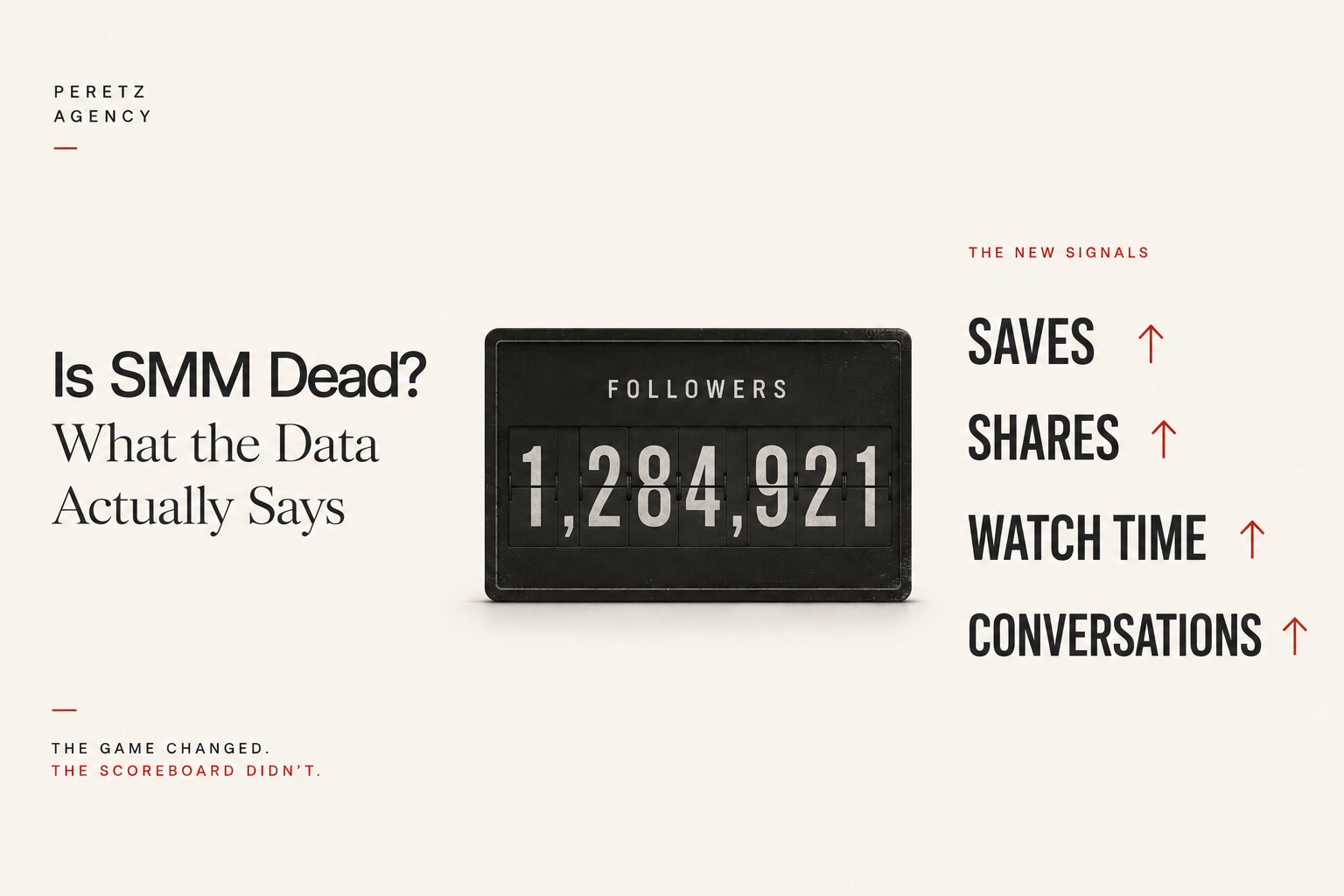
Is Social Media Marketing Dead in 2026? What the Data Actually Says
-
02. 07. 2026
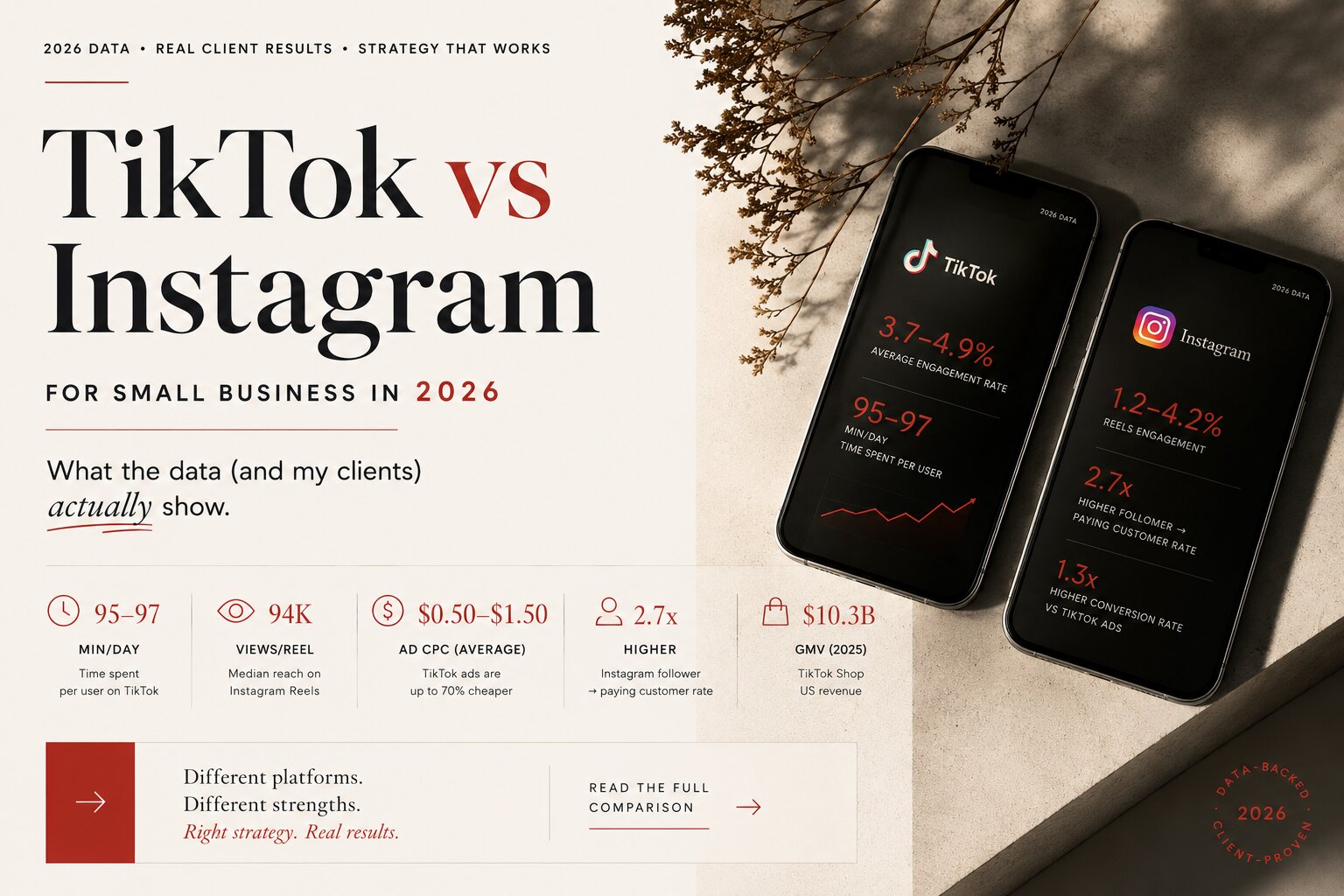
TikTok vs Instagram for Small Business in 2026: What the Data (and My Clients) Actually Show
-
11. 07. 2026

The Story Behind Hair
-
13. 07. 2026
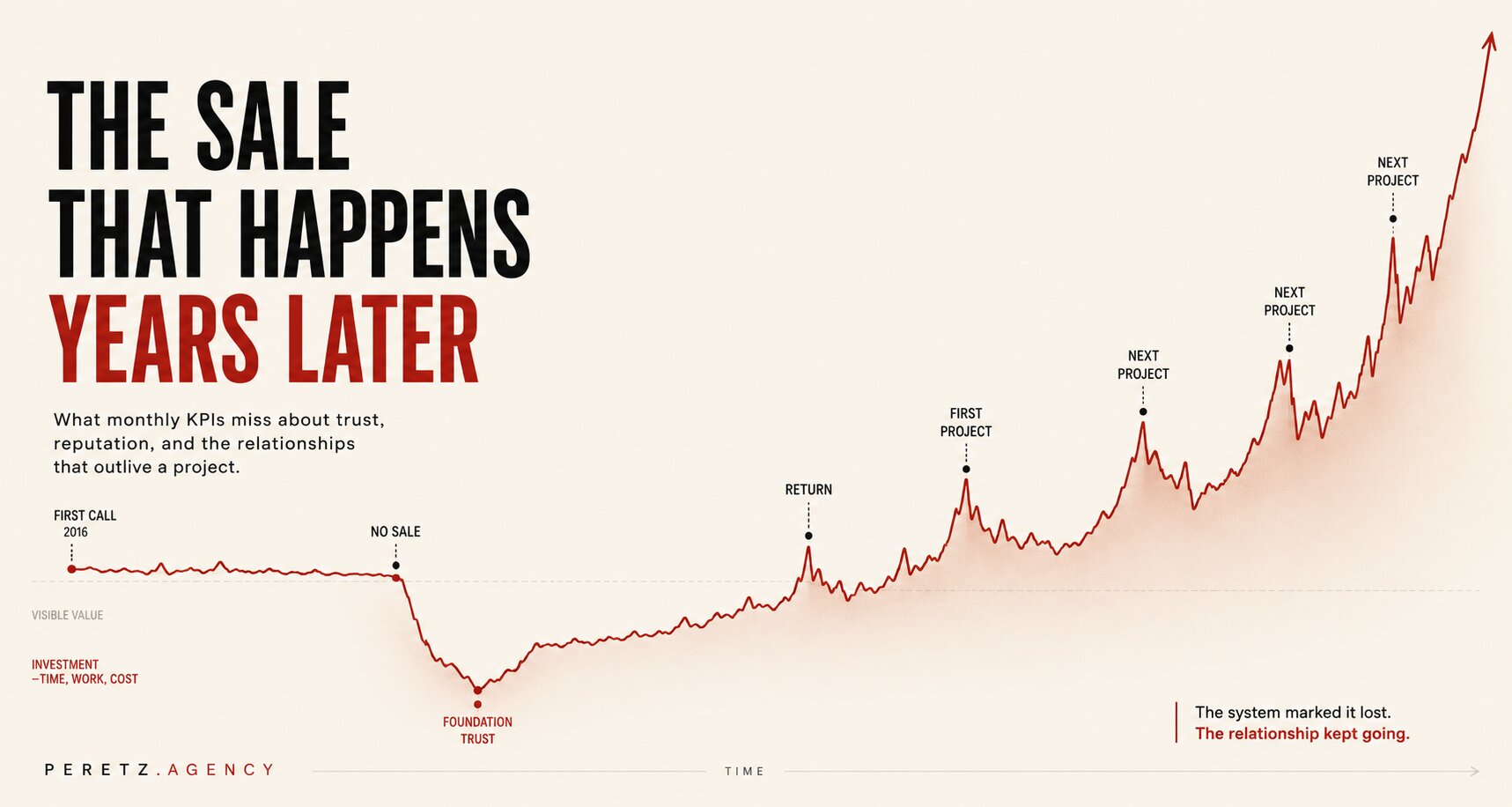
The Sale That Happens Years Later
-
05. 07. 2026
SHTAYER: Building a Brand for a New Generation
-
06. 07. 2026

Some Clients Change Your Business. MDC LUX Changed Ours.