


Before I ever wrote a strategy document, before I knew what a content pillar was, before AI existed as a tool anyone used, I built a brand where 500 strangers started calling themselves a family. And they had a hashtag to prove it.
This wasn’t a campaign. Nobody hired an agency to “build community” for this place. I was 27, I’d just moved to a new city, and within a few months of joining as an assistant marketer I was running the entire thing myself: events, merch, social media, everything. Everyone assumed there was a whole team behind it. There wasn’t. There was me, a DJ on Fridays, and a bunch of people who kept showing up not because they had to, but because they didn’t want to miss it.
“What fascinated me most was that everyone, without exception, assumed there was an entire marketing team behind YOD. There wasn’t. There was me. Working for almost nothing. And somehow, still getting fined.”
— Iryna Nechaeva
“I was one of the people who thought there had to be a team behind all of this. Then I met Iryna.”
— Yevhen Borovoi
I’m telling you this story because “build community, not just an audience” has become one of those phrases everyone repeats in 2026 without anyone explaining what it actually requires. So let me show you, not tell you.
THE DJ NIGHTS
The club was a crossfit box, one of the first officially affiliated ones in the city, which meant we had the license to run real competitions, real judges, real everything. But the thing that actually built the community wasn’t the license. It was Fridays.
We called them crossfit zarubs. A DJ, lights, music, and everyone doing the workout together, the WOD, like it was a party instead of training. Not a class. Not a session. An event people planned their week around.
Here’s the thing nobody tells you about community: it isn’t built in the feed. It’s built in a room, on a Friday, with a DJ, where the workout becomes an excuse for something bigger to happen. The content came after. The content was just us telling people what they’d already felt.
We built a poisonous website for YOD. Trash, glitch, acid, noise, explosions. Looking back, I’m not sure we knew where good taste ended and YOD began. That was probably the point.
— Yevhen Borovoi
There are things you look at and think: what the f**k is this nonsense? And then, eventually, you realize the nonsense was you.
— another idiot
Community isn’t something you post about. It’s something you build a room for, and then you tell people what happened in that room. If the room is empty, no caption saves it.
THE HASHTAG
At some point, without anyone officially deciding it, people started calling themselves the YOD family. We had the hashtag. It wasn’t a campaign hashtag, nobody launched it. It just happened, because people needed a word for what they’d become part of.
This is the part most brands get backwards. They try to manufacture a community hashtag as a marketing tactic, #YourBrandFam, forced and empty. It never works that way. A hashtag becomes an identity marker only after the identity already exists. You can’t tag your way into belonging. You can only build something real enough that people reach for the tag themselves, because they need a way to say “I’m one of them.”
And for the people in that gym, crossfit wasn’t a hobby. It was, as I’d put it now, a way of life, an actual piece of how they identified themselves as people. That’s not a customer relationship. That’s identity. And once a brand becomes part of someone’s identity, reach stops mattering, because they were never going to leave over an algorithm change.
THE MERCH
I designed the merchandise myself. I controlled all of it, every piece. Skulls with flowers for the women’s line, something bloodier for the men’s. And people wore it outside the gym. On the street. That’s the actual test of whether merch works: not whether people buy it, but whether they wear it somewhere that has nothing to do with you.
When someone wears your merch outside your walls, they’re not promoting you. They’re telling a stranger something true about themselves.
That’s a different transaction entirely than a discount code or a giveaway. You can’t buy that kind of advertising. You can only build a brand strong enough to deserve it.
THE COMPETITION
Once a year, we ran what became an international two-day crossfit competition: real prizes, including actual iron laurel wreaths for the winners’ heads. Before the 2020 lockdowns, the theme was Mortal Kombat. The men got Thor’s hammers, oversized, built for the photos. The women got Kitana’s fans. I made mine out of wood and painted it to look like iron, because back then there was no AI to generate anything. We built everything ourselves, by hand.
There were times when the budgets were late, the payments were late, and common sense suggested we should stop. But then Iryna would come with another idea. So, naturally, we kept creating. Was it good business? Probably not. Would I do it again? Apparently, yes.
— Yevhen Borovoi
There were licensed crossfit judges in real uniforms. There were spectators who came just to watch, because watching had become its own kind of participation. Nobody wanted to just occupy a spot. Everyone wanted to actually be part of it. That distinction mattered enormously, and it’s the exact distinction most brands miss when they measure success by how many people showed up instead of how many people actually engaged.
BIGGER THAN THE BRAND
We ran something called the Heroes Games, for veterans who’d served since 2014, some with injuries, some with amputations. They showed up and showed everyone exactly what kind of tigers they were.
This is where I want to slow down, because this is the part that taught me the most. We took every part of life and brought it into the crossfit world: grief, resilience, identity, pride, and the community held all of it. That doesn’t happen in a space that’s only about reps and reach. It happens in a space that became, for the people inside it, actually meaningful. Once a community reaches that point, it stops being something you manage and becomes something you’re responsible for.
WHY IT WORKED
Everyone talks about community now. The 2026 trend reports all say the same thing: audiences are fragmenting into smaller, purpose-driven spaces, and brands need to build community instead of chasing reach. All true. Almost nobody explains what building one actually costs, because it isn’t a content format. It’s not something you can brief a freelancer to produce.
An audience watches you. A community would notice if you disappeared.
That’s the entire test. Would your followers notice, actually notice, if your account went dark for a month, not because they’d miss the content, but because they’d miss being part of something? At YOD, if the Friday zarub didn’t happen, people would ask why by Saturday morning. That’s not engagement. That’s belonging.
“Nobody understood YOD, but it was like a drug. Without it, things just weren’t the same.”
— Iryna Nechaeva
What actually built it, looking back with everything I know now as a strategist:
- A real room, not a feed — the Friday nights, the open-space gym you could see across, the American equipment everyone wanted to try. Community starts physical or it starts nowhere; even fully digital communities need a “room” — a Discord, a comment section that actually gets responded to, something with walls.
- An identity people could put on, literally — merch that said something true about the wearer, not a logo people wore out of obligation.
- Rituals, not just events — the Friday zarub wasn’t a one-off, it was a rhythm people organized their week around. A community needs a recurring heartbeat, not a calendar of separate campaigns.
- Room for everything human, not just the product — the Heroes Games weren’t about crossfit. They were about what crossfit could hold. A brand that only ever talks about its product stays a vendor. A brand that makes room for identity, grief, pride, and belonging becomes something people build their lives partly around.
- A name that came from them, not from us — the hashtag wasn’t launched. It emerged. You can’t force that moment, but you can build conditions where it becomes likely: genuine access, genuine participation, genuine reasons to feel like an insider.
STAYING YOURSELF
There’s a tension every brand runs into eventually: the platforms constantly reward whoever jumps on the newest trend, the newest format, the newest sound. And community-building asks you to do almost the opposite: to stay recognizably, consistently yourself, even when it costs you reach.
I think this is where a lot of brands quietly damage what they’ve built. They chase a trend that doesn’t actually fit their identity because the trend is getting numbers elsewhere, and it works for exactly one post, and it feels wrong to the people who know the brand best. Not offensive. Just off. Like hearing a familiar voice suddenly speaking in someone else’s accent. That single moment of “this isn’t them” costs more trust than the trend ever gained in reach.
A real community forgives a lot. What it doesn’t forgive is a brand pretending to be something it isn’t to chase a number.
Inconsistent posting, imperfect production, quiet weeks, a real community forgives all of that. The trend algorithm rewards imitation. Community rewards the opposite: the thing that couldn’t have come from anyone else. The same rule held when I was filling enrollment for a premium kindergarten: what that taught me about B2C trust.
WHAT IT MEANS NOW
I don’t build crossfit boxes anymore. I build content strategy, run ads, write for brands in completely different categories. But the question I ask every new client is a version of the same one I’d ask myself walking into that gym at 24:
What’s the room here, the real one, not the feed, and what would it take for the people in it to start calling themselves something?
For some clients, that’s a genuinely small, sharp answer: a handful of families who feel like they found “their people” for their child’s education. For others, it’s about giving customers language and identity around a shared value, not just a shared purchase. The mechanics change by industry. The underlying question never does.
Somewhere along the way, we realized that Iryna’s unreasonable dedication was not a problem. We had exactly the same problem. So, naturally, we’ve been working together ever since.
— Yevhen Borovoi
YOD was the biggest crossfit hub in Ukraine. It wasn’t just another gym. It was a place of pilgrimage, bigger than any of us. The job was bringing that into the online space, and back then, we did that well. Later, different people came in with a different vision. All the poison got softened out of it. Now the club doesn’t exist anymore. But when there was a team like Iryna’s, YOD didn’t just live. It charged people up.
— Yevhen Borovoi
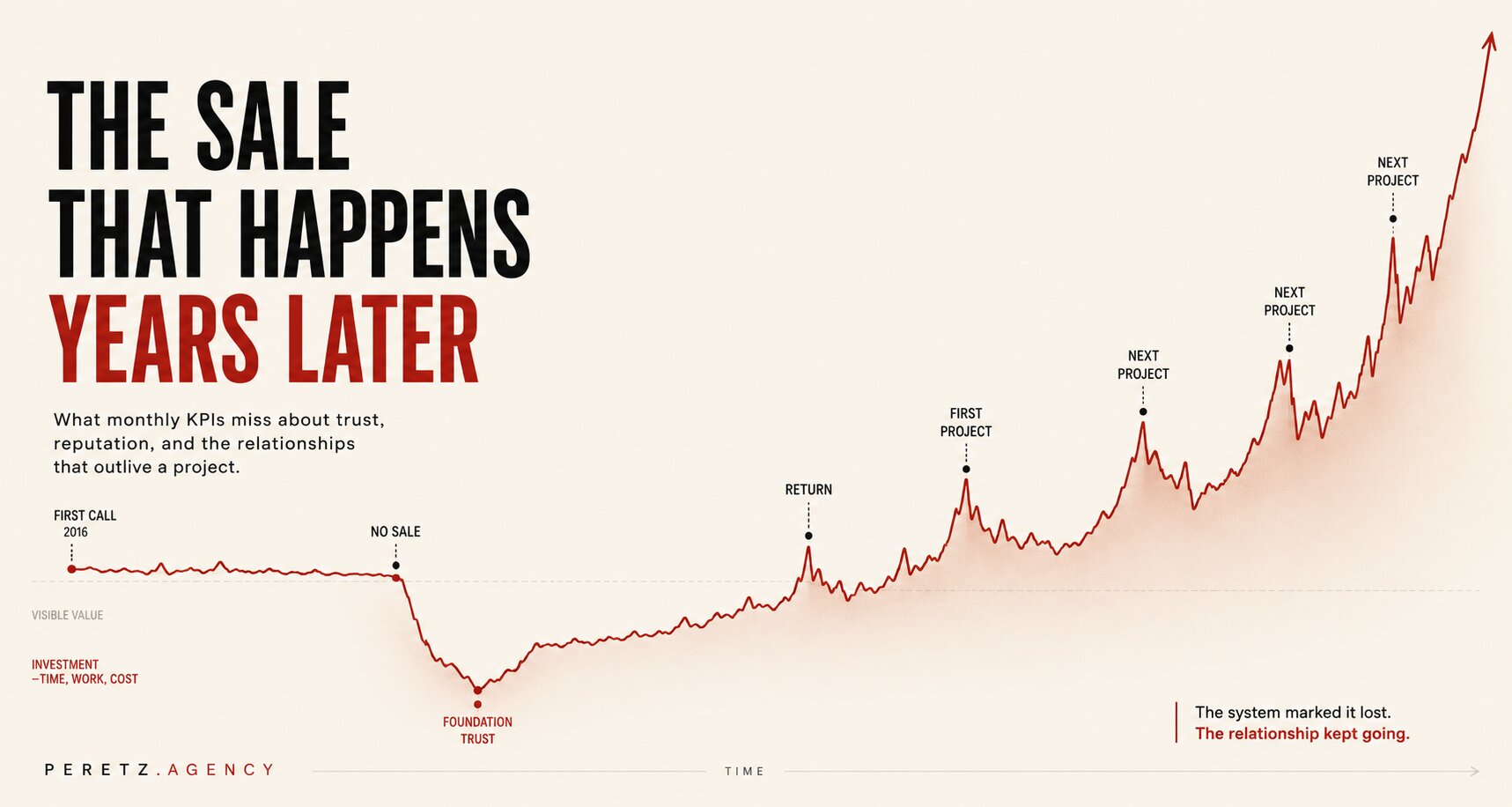
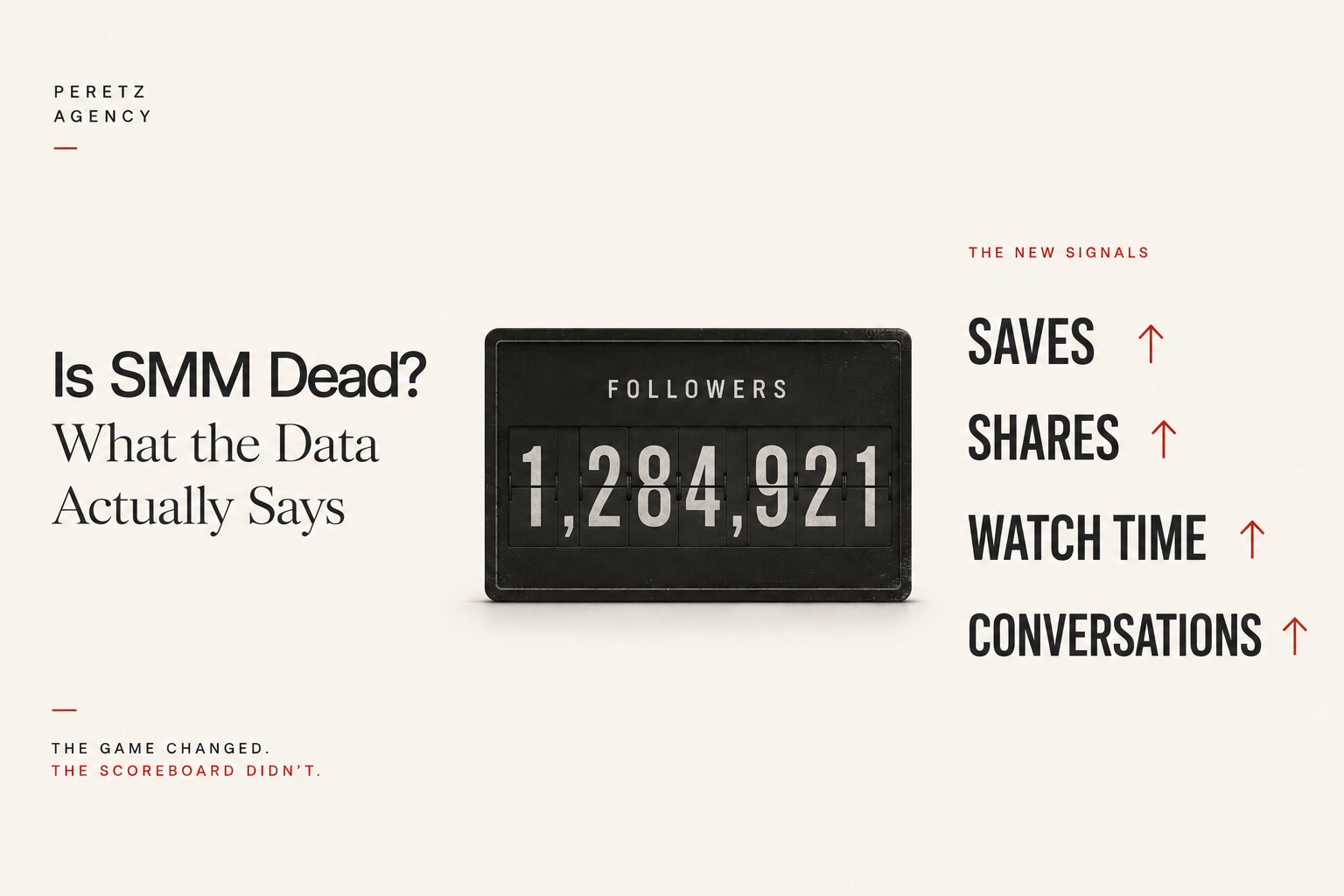
Reach tells you how many people looked. Community tells you how many people would notice if you stopped showing up.
Those are very different numbers, and only one of them is actually worth building a brand around.
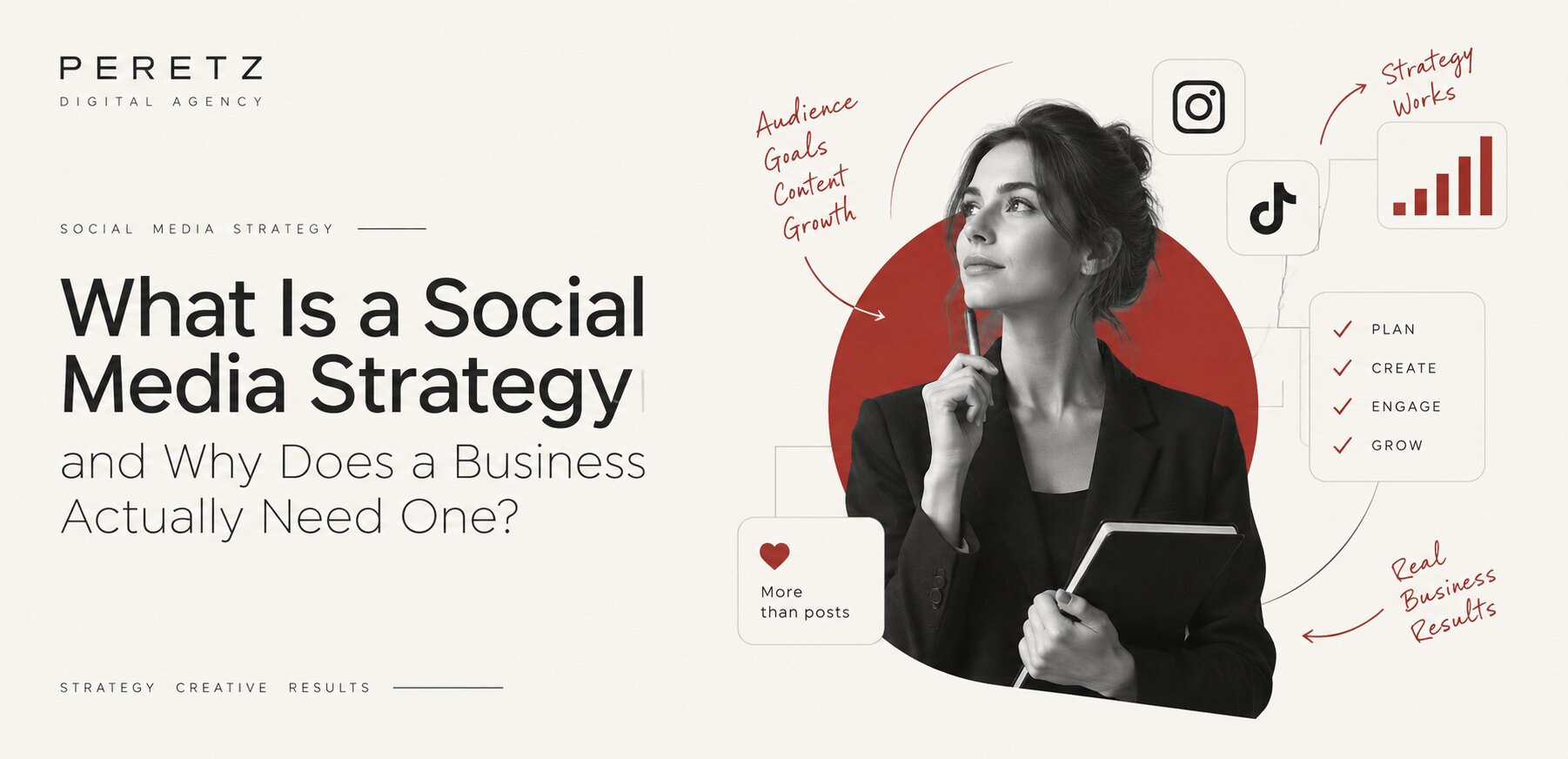
Reach and community are both downstream of the same decision, see what a real social media strategy actually answers before either one gets built.
We looked at how partnershipsThose are very different numbers, and only one of them is actually worth building a brand around.
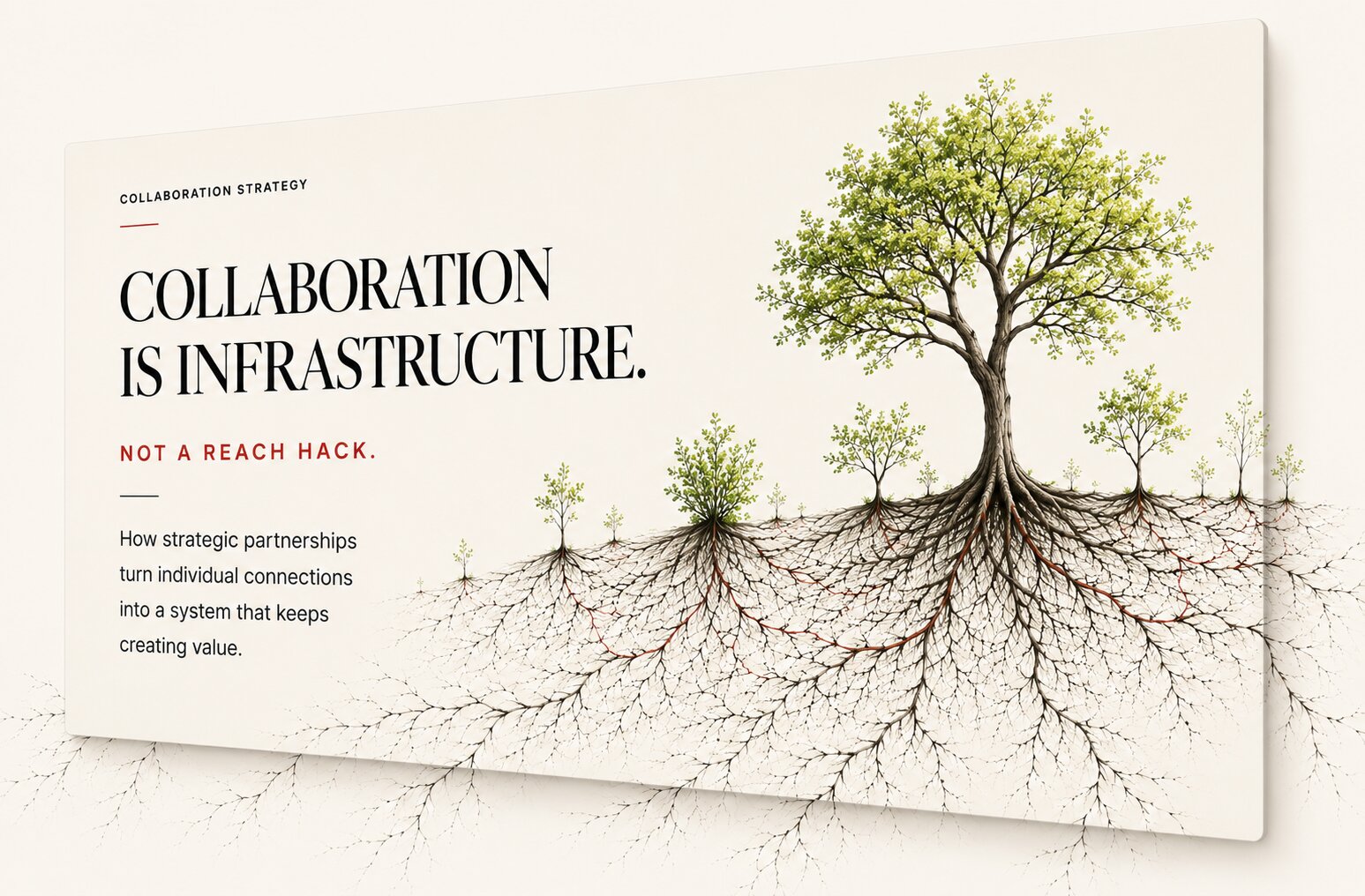
We looked at how partnerships and collaborations turn into real infrastructure instead of one-off reach in Collaboration Strategy: Why One-Off Partnerships Don't Build Lasting Growth.
- Share
-

-

-

-

Related Reading
-
01. 07. 2026
THE STORY BEHIND SV GROUP

-
26. 06. 2026
The Story We Never Planned to Tell - Case MEDPRESSO
-
06. 07. 2026

Some Clients Change Your Business. MDC LUX Changed Ours.
-
11. 07. 2026
The Story Behind Hair
-
07. 07. 2026
I Didn’t Dream of Having a Job. I Dreamed of Building Something.
-
19. 08. 2026
Collaboration Strategy: Why One-Off Partnerships Don't Build Lasting Growth
-
13. 07. 2026
The Sale That Happens Years Later
-
14. 07. 2026
Wrong Move. Right Move. Too Late.
-
24. 07. 2026
Is Social Media Marketing Dead in 2026? What the Data Actually Says
-
07. 09. 2026
What Is a Social Media Strategy and Why Does a Business Actually Need One?