


I. THE PLEDGE
THE TOOL
A few years ago I bought an expensive tool.
I didn’t need it.
At least, that’s what I tell myself now.
Back then I had dozens of reasons why it made perfect sense. It was more precise. Better engineered. More reliable. It would save time. Improve quality. Make my work easier.
Every one of those reasons was true.
They just weren’t the real reason.
The real reason was much simpler.
I wanted it.
There’s something deeply satisfying about owning a beautifully made tool. You take it out of the box a little slower than necessary. You run your hand over it. You admire the engineering. For the first few days you clean it after every job, put it back into its case and quietly hope nobody asks to borrow it.
Then one morning I reached for the old one.
Not because it worked better.
Because I didn’t want to scratch the new one.
I just stood there laughing.
Somewhere between buying the tool and using it, something had quietly changed.
I bought it to make better work.
Instead, I had started protecting the tool.
It sounds ridiculous.
Until you realize we’ve all done exactly the same thing.
A new phone keeps its protective film longer than it should. A new car suddenly avoids rain, gravel roads and crowded parking lots. White sneakers develop a strange ability to detect puddles from thirty feet away.
Nothing is wrong with any of this. It isn’t stupidity. It isn’t vanity. It’s something much older.
Human beings have always had a strange relationship with the things they create, own and admire. We rarely notice the exact moment when a tool quietly stops serving us and begins demanding something in return.
Our attention.
Our time.
Sometimes even our identity.
The things we create eventually begin asking something back. Not because they’re evil. Because maintenance has a strange way of disguising itself as purpose.
A house asks to be repaired. A car asks to be serviced. A business asks for meetings. Software asks for updates. A CRM asks for customization. AI asks for another subscription.
None of those requests are unreasonable.
The danger is almost impossible to notice while you’re living through it. One day you wake up and discover you’re spending more time maintaining the machinery than creating the thing the machinery was built to support.
I don’t think this happens only to people.
I think it happens to businesses too.
THE KITCHEN
I’ve walked through hundreds of companies over the years.
Construction firms. Medical organizations. Retail brands. Technology startups. Manufacturers. Luxury businesses.
Different industries. Different countries. Different products.
The conversations almost always begin the same way.
“Let me show you the office.”
“This is our new CRM.”
“We’ve automated most of our workflows.”
“We’ve just integrated AI.”
“We completely redesigned the website.”
I genuinely enjoy these conversations. I love well-designed systems. I admire craftsmanship. I appreciate thoughtful engineering. I’m probably more interested in tools than the average person.
But eventually I ask the same question.
“Can I see the product?”
Sometimes the room becomes strangely quiet.
Not because the product is bad.
Because somewhere along the journey the kitchen quietly became more interesting than dinner.
The kitchen is not the problem. Every great restaurant needs one. Every great business needs systems. Every craftsman deserves good tools. The problem begins when the kitchen quietly forgets why it was built.
And that’s the part I can’t stop thinking about.
Nobody opens a restaurant because they dream about stainless-steel countertops. Nobody tells their friends, ‘One day I’ll own the best ventilation system in the city.’
People dream about guests. About conversations. About someone coming back a second time. About becoming the place people recommend without being asked.
The kitchen exists because dinner exists.
Never the other way around.
Yet somewhere between the dream and reality something subtle happens.
The kitchen becomes measurable. You can compare equipment. Upgrade appliances. Paint walls. Install better lighting. Buy sharper knives. Take photographs. Show investors. Show friends. Show LinkedIn.
Dinner is different. Dinner refuses to be measured so easily.
People either come back… or they don’t.
That’s a much harder conversation.
So we improve the kitchen.
Because kitchens make us feel like we’re moving. Even when we’re standing still.
II. THE TURN
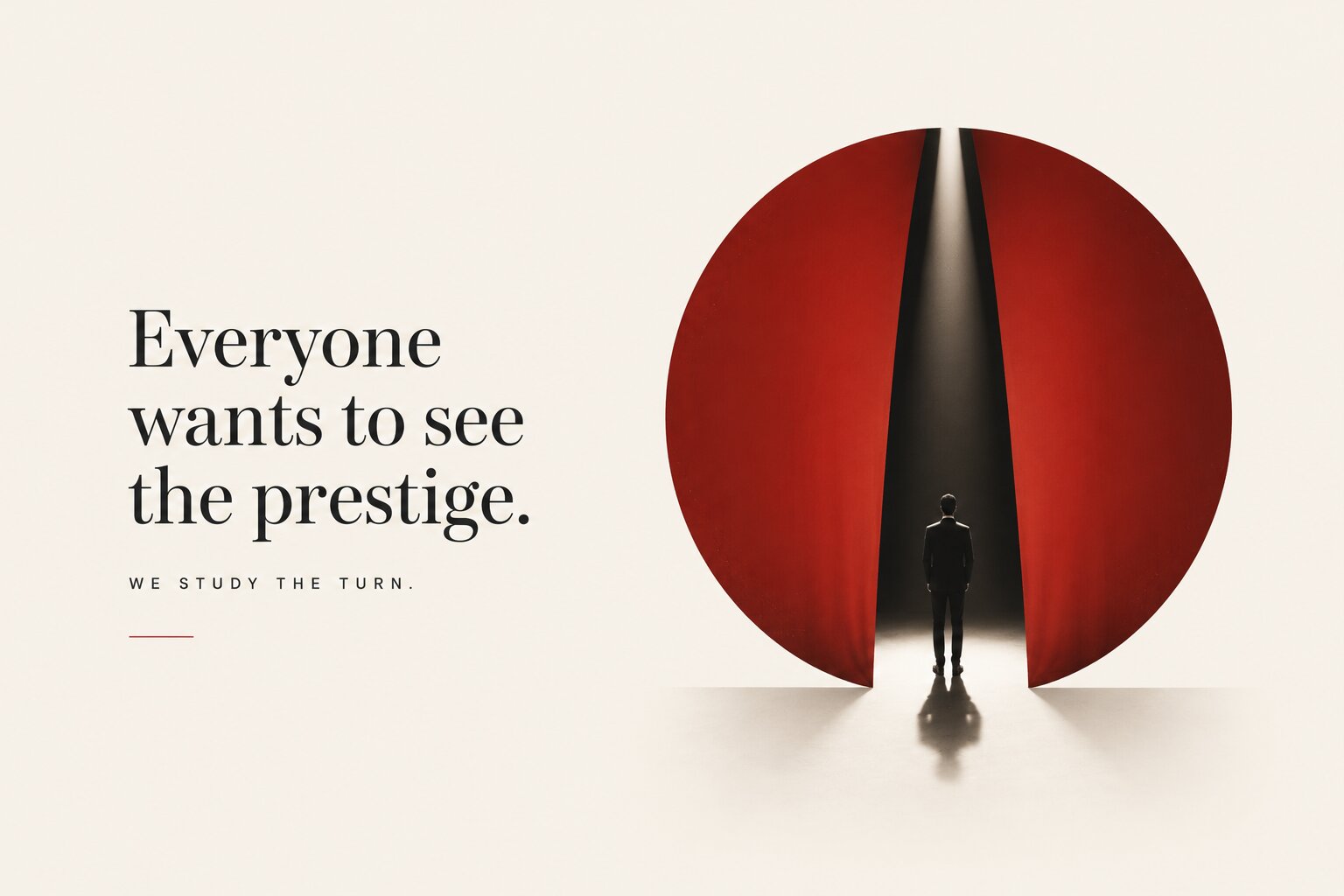
Every great illusion has a moment when your attention quietly moves in the wrong direction. You rarely notice it while it’s happening. That’s why magicians call it the Turn.
I don’t think this happens because founders lose their way.
Most of them don’t.
I think it happens because kitchens are easier to improve than dinners.
A kitchen gives immediate feedback. You buy a better oven, and you can see it. You replace the lighting, and you can photograph it. You install new equipment, and everyone notices.
Dinner is different. Dinner doesn’t care how expensive the oven was, how modern the ventilation system is, or whether your knives came from Germany or Japan. Dinner asks only one question.
Was it worth coming back?
That’s a brutal question. It ignores almost everything we enjoy talking about — how hard you worked, how much you invested, how many late nights you spent perfecting the process. Customers are remarkably unfair in that way. They don’t buy effort. They don’t reward intention. They experience only the final result.
And maybe they shouldn’t.
When I hire a contractor, I don’t admire his toolbox. I admire the house after he’s gone. When I stay at a hotel, I don’t ask which software manages the reservations. I remember whether I slept well. When I buy a chair, I don’t care how complicated the manufacturing process was. I care whether my back hurts six months later.
The value of almost every product in our lives has one strange characteristic. The better it performs… the less we notice it.
Nobody spends the morning praising the air conditioner that quietly kept the room comfortable all night. Nobody writes a post thanking the bridge that didn’t collapse on the way to work. Nobody remembers the website that simply worked exactly as expected.
The greatest compliment many products will ever receive is silence.
That thought bothered me for a long time. We’re naturally drawn toward things that are visible — visible progress, visible complexity, visible investment, visible effort. The invisible parts are harder to appreciate. Trust is invisible. Reputation is invisible. Craftsmanship is mostly invisible. A clean cut is visible. The thousand hours required to learn how to make it are not.
Maybe that’s why we keep polishing kitchens. They’re visible.
Dinner disappears. It always has. The moment it’s served, it begins disappearing. An hour later there’s nothing left. Just an empty plate. A conversation. A memory. A decision. Sometimes a returning customer. Sometimes not.
We spend months building the kitchen for something that disappears in forty-five minutes.
And yet… that disappearing thing is the only reason the kitchen exists.
There is another reason kitchens become so seductive. They make us feel in control. Control is comforting. Products are not.
The moment a product leaves your hands, it begins negotiating with reality — not with your intentions, not with your budget, not with the hours you invested. Reality is wonderfully indifferent.
The customer doesn’t know how difficult your project was. Nor should they. They don’t know how many prototypes you threw away, how many nights you stayed awake, how many times you started over.
When someone sits down for dinner, they aren’t grading the chef’s effort. They’re asking themselves one silent question.
‘Would I come back?’
The same question follows almost every product we create. A website. A building. A chair. A hotel. A software platform. A consulting engagement. Even a conversation. Every creation quietly asks for another meeting with the same person.
If the answer is yes… something valuable happened.
If the answer is no… nothing inside the kitchen can change that.
For years I believed better systems created better businesses.
Today I think that’s backwards.
Better businesses eventually create better systems.
That sounds like the same sentence. It isn’t. One begins with infrastructure. The other begins with value. Infrastructure can support value. It cannot replace it.
That’s why copying successful companies almost never works. People see the office. They don’t see the conversations that happened before the office existed. They see the software. They don’t see the chaos that forced someone to build it. They see the polished presentation. They don’t see the years spent learning what not to say.
We inherit the visible parts. The invisible parts have to be earned again. Every single time.
This is probably why entrepreneurs become obsessed with success stories. We study what survived. Rarely what produced it. We read biographies hoping to find recipes. There usually aren’t any.
A biography is the Prestige. Life happened in the Turn. That’s where uncertainty lived. That’s where mistakes happened. That’s where businesses almost died.
Nobody wants to read about uncertainty. Everybody wants certainty. Unfortunately… certainty is usually written after the story is over.
Maybe that’s why experience is so difficult to transfer. You can teach knowledge. You can demonstrate skill. You can explain strategy. Experience is different. Experience is recognition.
One day you suddenly recognize the same pattern in a completely different place. You see it in construction. Then in architecture. Then in retail. Then in software. Then in your own company. Eventually you stop seeing industries. You start seeing people.
And once that happens… you realize most businesses don’t struggle with business problems.
They struggle with human problems wearing business clothes.
That’s when I stopped asking companies what they wanted to build. I became much more interested in something else.
What are you protecting?
Because the answer to that question usually tells me far more than the business plan ever will. Sometimes it’s revenue. Sometimes it’s reputation. Sometimes it’s an old process that nobody believes in anymore. Sometimes it’s a founder’s identity.
Sometimes… it’s simply a beautiful kitchen nobody has the courage to leave.
III. THE PRESTIGE
People often ask what successful companies have in common.
The honest answer is that I don’t know.
Not because success is random. Because by the time we’re allowed to study it, the interesting part has already disappeared. We inherit the result. The uncertainty is gone. The mistakes have been edited out. The doubts have become confidence. The story has become strategy.
Success has a strange habit of rewriting its own history.
That’s why I’ve never been particularly interested in copying companies. I’m far more interested in understanding the order in which things appeared.
First there was an idea.
Then someone cared enough to keep going.
Then came mastery.
Then a product people genuinely valued.
Only then did systems begin making sense.
When we reverse that sequence, we usually end up investing in infrastructure that has nothing meaningful left to support.
A beautiful kitchen. Still waiting for dinner.
Maybe the tool was never the problem.
Maybe that’s the real reason I no longer begin conversations with websites, AI, marketing or software. Those are important conversations. They’re simply not the first conversations.
The first question is always the same.
What is the dinner?
What are people actually coming back for?
If we cannot answer that honestly, improving the kitchen only delays the moment reality gives us the answer.
Perhaps the most dangerous moment for any business isn’t failure. It’s the moment preparation starts feeling indistinguishable from progress.
Because preparation is comfortable. Action isn’t. Preparation is measurable. Value isn’t. Preparation earns applause. Value earns returning customers.
Those are very different things.
Sometimes businesses protect themselves so carefully, they forget to become anything worth protecting.
So before you redesign the website. Before you replace the CRM. Before you buy another AI tool. Before you hire another agency.
Walk into your own restaurant. Don’t go into the kitchen. Sit where your customer sits. Look around. Forget everything you’ve built for just a moment. Ask yourself the only question your customer will ever answer.
Was dinner worth coming back for?
Maybe that’s why I’ve stopped studying the Prestige.
I’m far more interested in understanding the Turn.
So…
Are we eating today?
- Share
-

-

-

-

Related Reading
-
05. 07. 2026
SHTAYER: Building a Brand for a New Generation

-
01. 07. 2026
THE STORY BEHIND SV GROUP
-
06. 07. 2026
Some Clients Change Your Business. MDC LUX Changed Ours.
-
26. 06. 2026
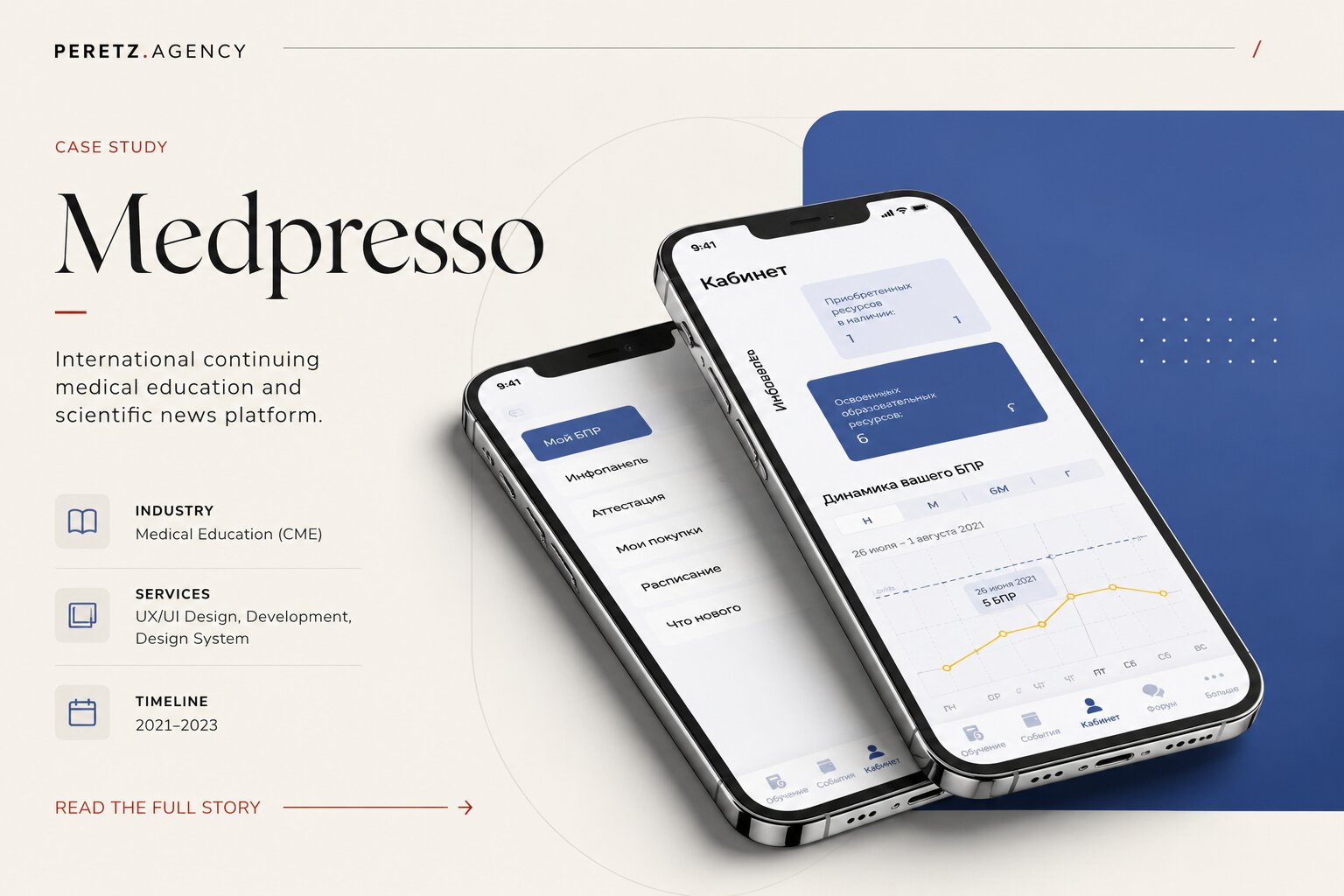
The Story We Never Planned to Tell - Case MEDPRESSO
-
07. 07. 2026
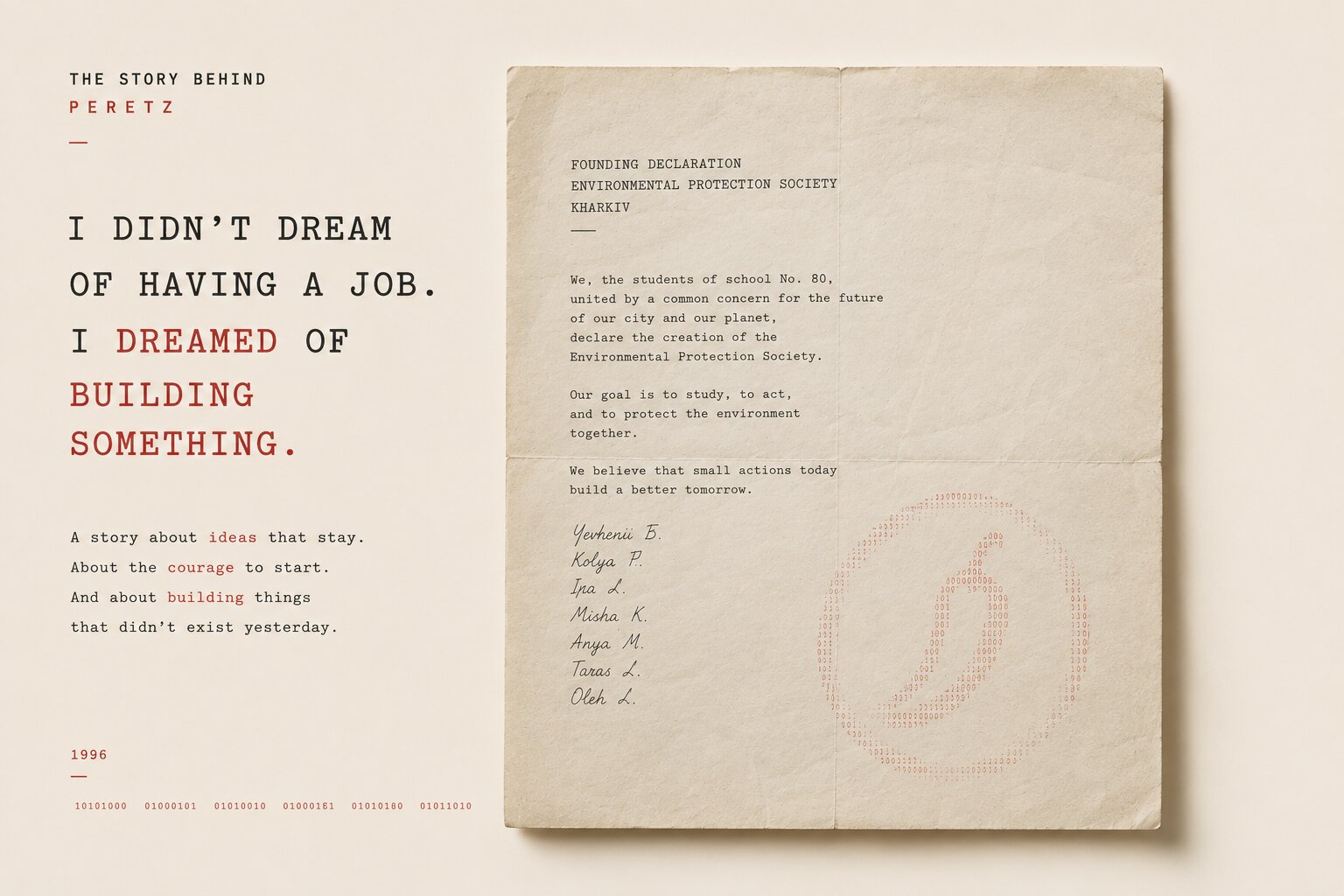
I Didn’t Dream of Having a Job. I Dreamed of Building Something.
-
09. 07. 2026
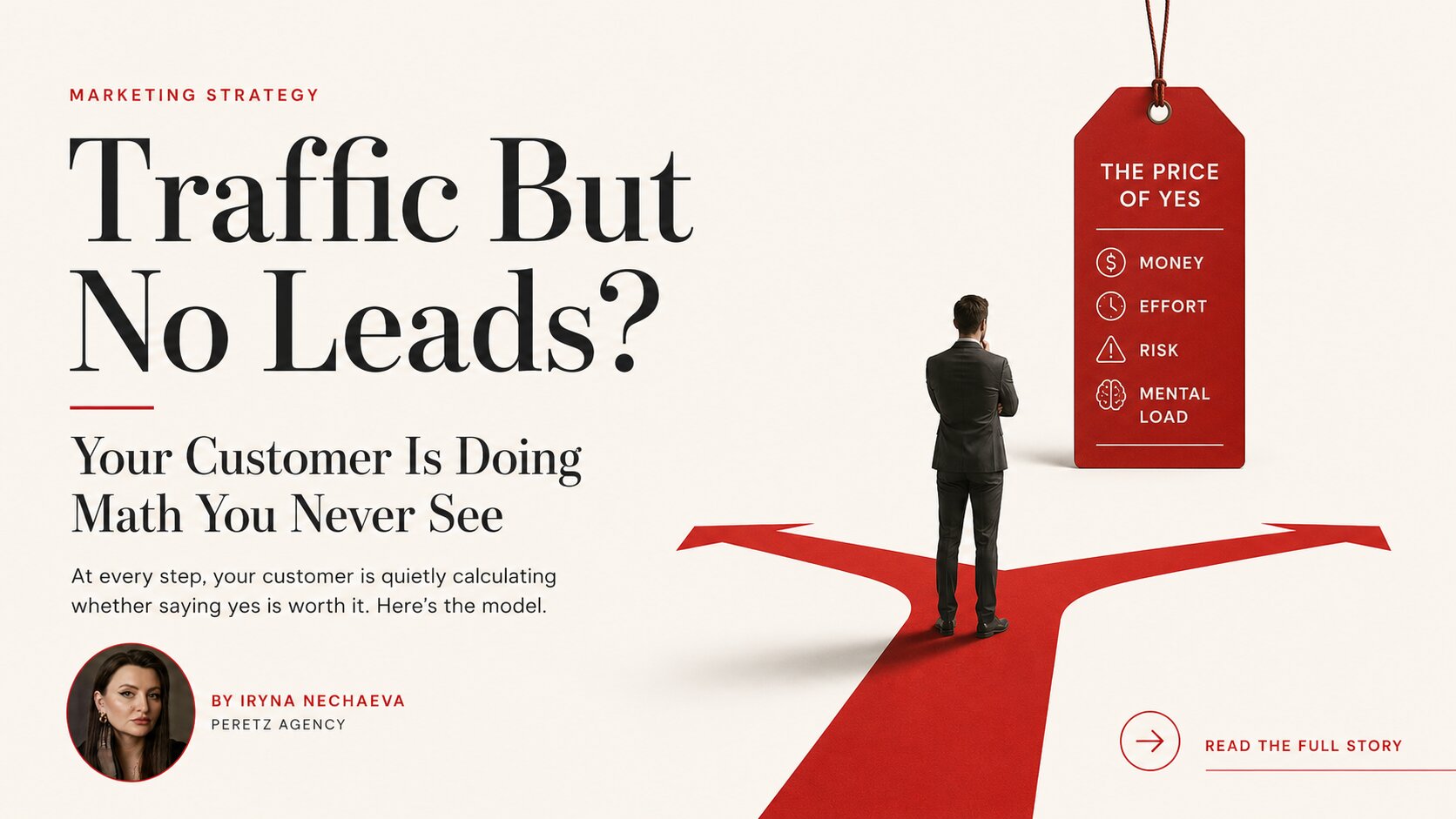
Traffic But No Leads? Your Customer Is Doing Math You Never See
-
10. 07. 2026
Before You Sell, Retire, or Hand It Down
-
14. 07. 2026
Wrong Move. Right Move. Too Late.
-
15. 07. 2026
Everything You Build Starts Aging the Day You Finish It